
 EN
EN
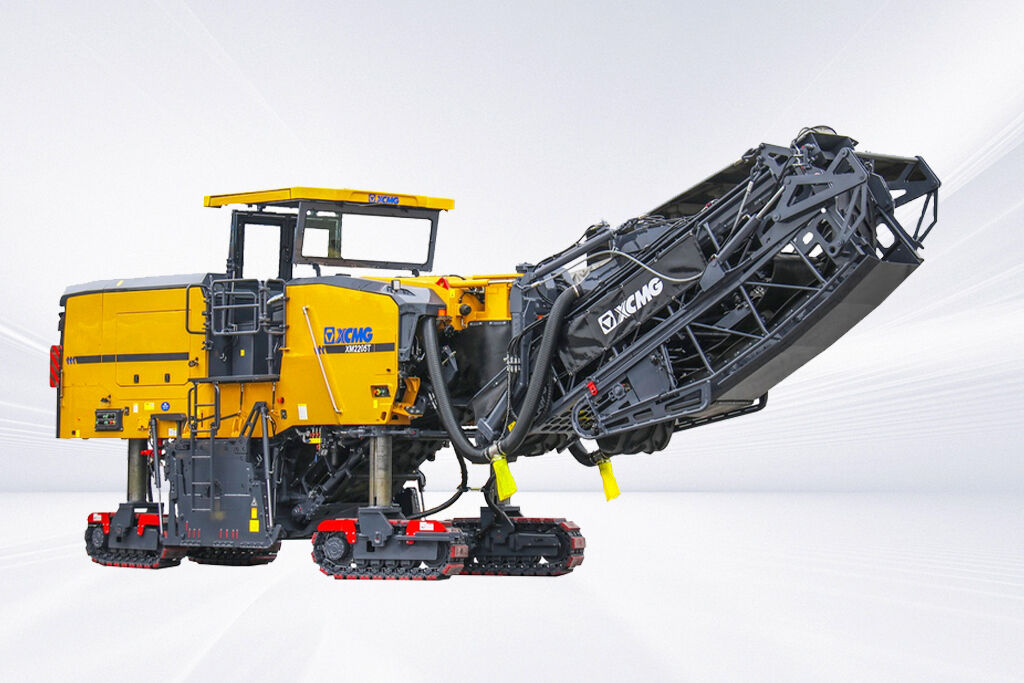
The motor grader stands as one of the most versatile and essential pieces of heavy construction equipment in modern earthmoving operations. This powerful machine combines precise blade control with exceptional maneuverability to create smooth, level surfaces across a wide range of construction and maintenance applications. From highway construction to mining operations, the motor grader delivers unmatched performance in grading, leveling, and finishing work that forms the foundation of infrastructure development worldwide.
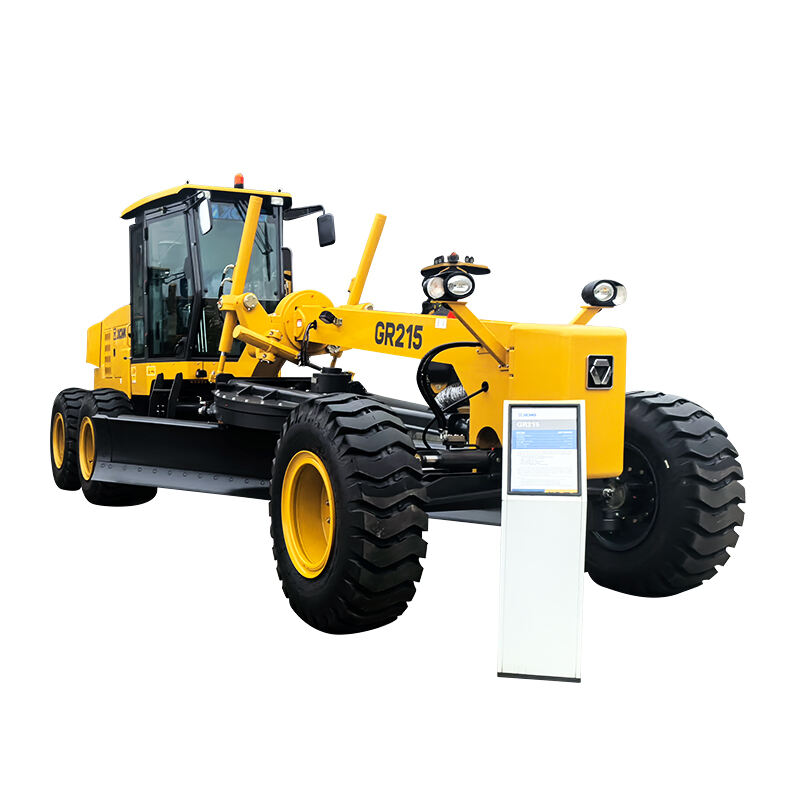
Understanding motor grader technology requires examining the sophisticated engineering that enables these machines to perform complex grading tasks with millimeter precision. Modern motor grader systems integrate advanced hydraulics, electronic controls, and automated features that significantly enhance operator efficiency and project outcomes. The evolution of motor grader design reflects decades of innovation focused on improving productivity, reducing operating costs, and meeting increasingly demanding performance standards across diverse construction environments.
Motor Grader Design Fundamentals
Chassis Configuration and Stability
The motor grader chassis represents a carefully engineered balance between stability, maneuverability, and operational versatility. Unlike other earthmoving equipment, the motor grader features an articulated frame design that allows the front wheels to pivot independently of the rear section. This articulation provides exceptional steering control and enables the machine to maintain optimal blade positioning even when navigating challenging terrain or tight working spaces.
Weight distribution plays a crucial role in motor grader performance, with manufacturers strategically positioning engine components, counterweights, and hydraulic systems to achieve optimal balance. The low center of gravity inherent in motor grader design enhances stability during precision grading operations while maintaining the agility needed for efficient material handling and surface finishing tasks.
Blade Technology and Control Systems
The moldboard represents the heart of motor grader functionality, incorporating advanced materials and design features that enable precise surface control across varying soil conditions. Modern motor grader blades utilize high-strength steel construction with replaceable cutting edges that maintain sharpness throughout extended operating periods. The blade mounting system allows for multiple positioning options, including side-shift, tilt, and rotation adjustments that accommodate complex grading requirements.
Hydraulic blade control systems have revolutionized motor grader operation by providing operators with fingertip control over blade positioning and pressure. Electronic pilot controls enable precise adjustments while reducing operator fatigue during extended work sessions. Advanced motor grader models incorporate automated grade control systems that maintain consistent surface elevation using GPS or laser guidance technology.
Power and Drivetrain Technologies
Engine Performance Optimization
Contemporary motor grader engines deliver exceptional power-to-weight ratios while meeting stringent emissions standards through advanced fuel injection and exhaust after-treatment systems. Turbocharged diesel engines provide the torque characteristics essential for motor grader applications, delivering consistent performance across varying load conditions and operating environments. Engine management systems continuously optimize fuel delivery, timing, and emissions control to maximize efficiency while maintaining peak performance capabilities.
Power management technology in modern motor grader designs automatically adjusts engine output based on operational demands, reducing fuel consumption during light-duty tasks while ensuring maximum power availability for challenging grading conditions. Variable fan drives and intelligent cooling systems further enhance fuel efficiency by operating auxiliary systems only when required, contributing to reduced operating costs and environmental impact.
Transmission and Drive Configuration
Motor grader transmission systems utilize sophisticated torque converter technology combined with multiple forward and reverse gear ratios to provide optimal performance across diverse operating conditions. Powershift transmissions enable smooth gear changes without interrupting workflow, while lock-up torque converters improve fuel efficiency during steady-state operations. The all-wheel-drive capability found in many motor grader models enhances traction and stability when working on loose or uneven surfaces.
Differential lock systems and traction control features help motor grader operators maintain productivity in challenging conditions by preventing wheel spin and optimizing power distribution between drive axles. Advanced drivetrain management systems monitor operating conditions and automatically adjust power delivery to maintain optimal performance while protecting mechanical components from excessive wear or damage.
Hydraulic System Integration
Precision Control Technology
The hydraulic system serves as the nervous system of motor grader operation, enabling precise control over blade positioning, articulation, and implement movement. Load-sensing hydraulic pumps automatically adjust flow and pressure based on system demands, improving efficiency while reducing heat generation and component wear. Proportional control valves provide smooth, responsive operation that allows operators to make fine adjustments with exceptional accuracy.
Integrated hydraulic circuits in modern motor grader designs eliminate the need for separate systems by combining blade control, steering, and implement functions within a unified hydraulic network. This integration reduces complexity while improving reliability and service accessibility. Hydraulic oil cooling systems maintain optimal operating temperatures even during intensive work cycles, extending component life and maintaining consistent performance.
Automated Grading Systems
Advanced motor grader models incorporate sophisticated automated grading systems that utilize GPS, laser, or sonic sensors to maintain precise surface elevation and cross-slope control. These systems continuously monitor blade position and automatically make corrections to maintain design specifications, significantly improving grading accuracy while reducing operator workload. The integration of 3D grading technology allows motor grader operators to work directly from digital design files, eliminating the need for traditional grade stakes and reducing surveying requirements.
Automated blade control systems can maintain grading tolerances within millimeters, enabling motor grader operators to achieve finished-grade quality in fewer passes. This precision reduces material waste, minimizes rework, and accelerates project completion while improving overall quality standards. Machine learning algorithms in advanced systems adapt to operator preferences and site conditions to optimize performance over time.
Operational Efficiency and Performance
Productivity Enhancement Features
Modern motor grader designs incorporate numerous features specifically developed to maximize operational efficiency and reduce cycle times. Variable blade pitch control allows operators to optimize cutting angles for different soil types and conditions, improving material flow and reducing drag forces. Side-shift capabilities enable the motor grader to grade ditches, shoulders, and other offset areas without repositioning the entire machine, significantly improving productivity in roadway maintenance applications.
Cab design and operator interface technology play crucial roles in motor grader productivity by reducing operator fatigue and improving situational awareness. Panoramic visibility, ergonomic controls, and climate control systems enable operators to maintain peak performance throughout extended work shifts. Advanced display systems provide real-time feedback on machine performance, fuel consumption, and maintenance requirements, helping operators optimize their techniques and identify potential issues before they impact productivity.
Versatility and Attachment Options
The motor grader platform supports a wide range of specialized attachments that expand operational capabilities beyond basic grading functions. Scarifier attachments enable effective ripping and surface preparation in hard-packed materials, while snow removal equipment transforms the motor grader into a versatile winter maintenance machine. Dozer blades, rippers, and compaction wheels can be integrated to create multi-functional units capable of handling diverse construction tasks.
Quick-attach systems allow motor grader operators to change implements rapidly, minimizing downtime and maximizing utilization across different project phases. Hydraulic quick-couplers eliminate the need for manual connections, improving safety while reducing attachment change times. The motor grader versatility makes it an essential tool for contractors seeking to maximize equipment utilization and reduce fleet requirements.
Technology Integration and Future Developments
Digital Control Systems
Contemporary motor grader technology embraces digital integration through sophisticated control systems that monitor and optimize every aspect of machine operation. Electronic control units manage engine performance, transmission shifting, hydraulic functions, and implement positioning to deliver consistent results while minimizing fuel consumption and component wear. Data logging capabilities enable detailed analysis of machine performance and utilization patterns, supporting informed decision-making regarding maintenance scheduling and operational optimization.
Telematics systems provide remote monitoring capabilities that allow fleet managers to track motor grader location, performance metrics, and maintenance requirements in real-time. This connectivity enables proactive maintenance scheduling, theft prevention, and operational analysis that improves overall fleet efficiency. Advanced diagnostic systems can predict component failures and automatically schedule service interventions, minimizing unexpected downtime and reducing repair costs.
Autonomous Operation Development
The future of motor grader technology includes autonomous operation capabilities that promise to revolutionize earthmoving operations through improved safety, consistency, and efficiency. Semi-autonomous systems currently under development can perform repetitive grading tasks with minimal operator intervention, while maintaining the flexibility to handle unexpected conditions or obstacles. These systems combine advanced sensors, machine learning algorithms, and precise positioning technology to deliver consistent results across varying terrain and operating conditions.
Fully autonomous motor grader operation represents the next frontier in construction equipment technology, with potential applications in remote mining operations, large-scale infrastructure projects, and hazardous environment work. Integration with broader construction automation systems will enable coordinated fleet operations that optimize productivity across multiple machines and work areas simultaneously.
Maintenance and Service Considerations
Preventive Maintenance Programs
Effective motor grader maintenance programs focus on protecting the sophisticated hydraulic, electronic, and mechanical systems that enable peak performance and reliability. Regular hydraulic oil analysis, filter replacement, and system pressure testing help prevent costly repairs while maintaining optimal operating efficiency. Engine maintenance protocols emphasize fuel system cleanliness, air filtration, and cooling system integrity to ensure consistent power delivery and emissions compliance.
Advanced diagnostic tools enable service technicians to identify potential issues before they result in component failure or performance degradation. Electronic monitoring systems track operating parameters and alert operators to maintenance requirements based on actual machine usage rather than arbitrary time intervals. This condition-based maintenance approach reduces unnecessary service interventions while ensuring critical systems receive appropriate attention.
Parts and Service Support
Motor grader ownership costs depend heavily on the availability of quality replacement parts and knowledgeable service support throughout the machine lifecycle. Manufacturers with extensive dealer networks and parts distribution systems provide better long-term value by minimizing downtime and ensuring access to genuine components that maintain original performance specifications. Technical training programs for operators and service personnel help maximize motor grader productivity while extending component life through proper operation and maintenance practices.
Component rebuilding programs offer cost-effective alternatives to complete replacement for major motor grader systems including engines, transmissions, and hydraulic pumps. These programs utilize factory specifications and genuine parts to restore like-new performance at significantly reduced costs compared to new component purchases. Extended warranty programs and service contracts provide additional protection against unexpected repair costs while ensuring access to qualified service support.
FAQ
What are the primary applications for motor grader equipment
Motor grader applications span a wide range of construction and maintenance activities including road construction, highway maintenance, parking lot development, and site preparation work. These versatile machines excel at creating smooth, precisely graded surfaces for paving operations while also performing effectively in snow removal, ditch cleaning, and material spreading applications. Mining operations utilize motor grader equipment for haul road maintenance, stockpile management, and site development activities that require precise surface control and high productivity levels.
How does motor grader technology compare to other earthmoving equipment
Motor grader technology offers unique advantages in precision grading applications that distinguish it from dozers, scrapers, and other earthmoving equipment. The articulated frame design and blade positioning flexibility enable motor grader operators to achieve surface tolerances and cross-slope accuracy that exceed the capabilities of other machine types. While dozers excel at heavy pushing and excavators dominate digging applications, the motor grader provides unmatched versatility for finishing work and precision surface control across diverse terrain conditions.
What factors should be considered when selecting motor grader equipment
Motor grader selection requires careful evaluation of project requirements, operating conditions, and long-term productivity goals. Key considerations include blade width and positioning capabilities, engine power and fuel efficiency, hydraulic system sophistication, and available technology features such as automated grading systems. Operating weight, ground clearance, and articulation angles must match specific application requirements, while service support availability and parts accessibility impact long-term operating costs and equipment reliability.
How do automated systems enhance motor grader performance
Automated grading systems transform motor grader operation by enabling consistent surface control with minimal operator input, significantly improving accuracy while reducing fatigue and skill requirements. GPS and laser-guided systems can maintain design elevations and cross-slopes within millimeters, eliminating the variability associated with manual blade control. These systems increase productivity by enabling faster operating speeds while maintaining quality standards, and they reduce material waste by minimizing over-cutting and rework requirements that commonly occur with manual grading operations.