Small Electric Forklifts: Efficient Material Handling Solutions for Modern Warehouses

All Categories

small electric forklift

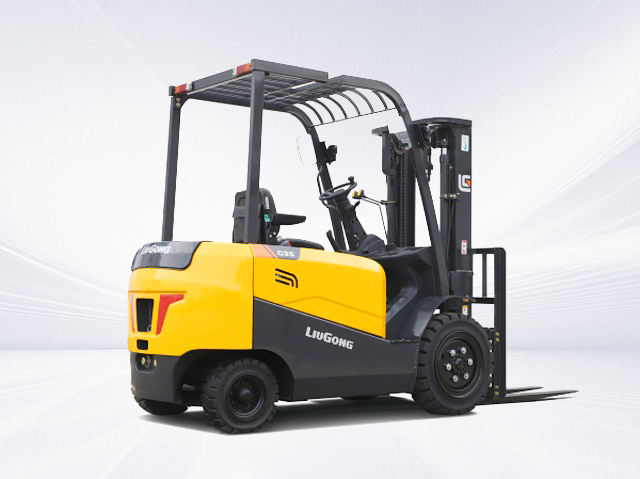
The small electric forklift represents a revolutionary advancement in material handling equipment, designed to meet the evolving demands of modern warehouses, manufacturing facilities, and distribution centers. These compact yet powerful machines combine cutting-edge electric motor technology with ergonomic design principles to deliver exceptional performance in confined spaces. Unlike their larger counterparts, small electric forklifts typically feature lifting capacities ranging from 1,000 to 3,000 pounds, making them ideal for handling lighter loads with precision and efficiency. The primary functions of a small electric forklift encompass lifting, lowering, tilting, and transporting materials across various surfaces within indoor environments. These versatile machines excel at stacking inventory, loading and unloading delivery trucks, organizing warehouse shelves, and facilitating smooth workflow processes. The technological features of modern small electric forklifts include advanced lithium-ion battery systems that provide extended operational periods, regenerative braking mechanisms that enhance energy efficiency, and sophisticated control systems that ensure smooth operation. Many models incorporate digital displays that monitor battery life, operating hours, and maintenance schedules, enabling operators to optimize performance and prevent unexpected downtime. The compact dimensions of these machines, typically measuring between 3 to 4 feet in width and 6 to 8 feet in length, allow them to navigate narrow aisles and tight corners that would be challenging for larger equipment. Applications for small electric forklifts span numerous industries, including retail warehouses, pharmaceutical facilities, food processing plants, automotive parts distribution, electronics manufacturing, and small-scale logistics operations. Their quiet operation makes them particularly suitable for noise-sensitive environments, while their zero-emission design ensures compliance with strict environmental regulations and maintains healthy indoor air quality for workers and stored products alike.

New Products

Small electric forklifts offer numerous compelling advantages that make them an intelligent investment for businesses seeking to optimize their material handling operations. The most significant benefit lies in their exceptional energy efficiency, as these machines consume substantially less power compared to traditional internal combustion models while delivering comparable performance levels. This efficiency translates directly into reduced operational costs, with businesses typically experiencing 60-70% lower fuel expenses when switching to electric models. The elimination of fuel purchases, oil changes, and engine maintenance creates substantial long-term savings that improve the bottom line. Environmental responsibility becomes effortless with small electric forklifts, as they produce zero direct emissions during operation, contributing to cleaner air quality and supporting corporate sustainability initiatives. This environmental advantage also enables unrestricted indoor use without ventilation concerns, unlike gas or diesel alternatives that require adequate airflow to prevent harmful exhaust accumulation. Operational noise levels are dramatically reduced with electric models, creating a more pleasant working environment and enabling operation during noise-restricted hours without disturbing neighboring businesses or residential areas. The enhanced operator comfort provided by small electric forklifts includes smoother acceleration and deceleration, reduced vibration levels, and ergonomic control placement that minimizes fatigue during extended use periods. Maintenance requirements are significantly simplified, as electric motors contain fewer moving parts than internal combustion engines, resulting in reduced service frequency and lower maintenance costs. The compact design of these machines maximizes warehouse space utilization by enabling operation in narrower aisles and tighter spaces, effectively increasing storage capacity without facility expansion. Battery technology advancements have eliminated previous concerns about runtime and charging times, with modern lithium-ion systems providing full-shift operation capabilities and rapid charging options. Safety features are enhanced through precise speed control, automatic braking systems, and improved visibility due to the absence of exhaust emissions that can obscure vision. The quiet operation also improves communication between operators and ground personnel, reducing the risk of accidents and enhancing overall workplace safety standards.

Latest News

Motor Grader Maintenance: Essential Tips for Operators

19

Jan

Motor Grader Maintenance: Essential Tips for Operators

Proper maintenance of a motor grader is crucial for maximizing equipment performance and extending operational life. Professional operators understand that consistent upkeep directly impacts productivity on construction sites, road building projects,...
View More
Pile Drilling Machine Cost: ROI Analysis for Contractors

26

Dec

Pile Drilling Machine Cost: ROI Analysis for Contractors

Understanding pile drilling machine cost represents one of the most critical investment decisions for construction contractors engaged in foundation work. The financial implications extend far beyond the initial purchase price, encompassing operation...
View More
Cost Analysis: Buying vs Renting a Cold Milling Machine

19

Jan

Cost Analysis: Buying vs Renting a Cold Milling Machine

Construction professionals and contractors face a critical decision when approaching road rehabilitation projects: should they invest in purchasing a cold milling machine or opt for rental arrangements? This financial choice significantly impacts pro...
View More
How to Start a Dump Truck Business: Complete Guide

06

Feb

How to Start a Dump Truck Business: Complete Guide

Starting a dump truck business represents an excellent opportunity to enter the lucrative construction and transportation industry. The demand for reliable dump truck services continues to grow as construction projects expand across residential, comm...
View More

Get a Free Quote

Our representative will contact you soon.
Email
Name
Company Name
Message
0/1000

small electric forklift

Advanced Lithium-Ion Battery Technology

Advanced Lithium-Ion Battery Technology

The integration of advanced lithium-ion battery technology represents the cornerstone of modern small electric forklift innovation, delivering unprecedented performance, reliability, and operational efficiency that transforms material handling operations. Unlike traditional lead-acid batteries that plagued earlier electric models with lengthy charging cycles and limited runtime, lithium-ion systems provide consistent power output throughout the entire discharge cycle, ensuring optimal performance from the first hour to the last. These cutting-edge batteries typically offer 8-10 hours of continuous operation on a single charge, easily accommodating full shift requirements without interruption. The rapid charging capability of lithium-ion technology allows operators to achieve 80% capacity in just 1-2 hours, enabling opportunity charging during breaks or shift changes to maintain continuous productivity. This flexibility eliminates the need for battery swapping procedures that were common with older systems, reducing labor costs and eliminating the space requirements for battery changing stations. The maintenance-free nature of lithium-ion batteries eliminates the time-consuming tasks of watering, cleaning terminals, and monitoring acid levels that were necessary with lead-acid alternatives. Temperature tolerance is significantly improved, with lithium-ion systems maintaining consistent performance in both hot and cold environments where traditional batteries would suffer capacity loss. The lightweight design of these batteries reduces the overall weight of the small electric forklift, improving maneuverability and extending component life while maintaining optimal weight distribution for stability. Battery management systems continuously monitor cell performance, temperature, and charging status, providing real-time data to operators and maintenance personnel to optimize usage patterns and predict replacement needs. The environmental benefits extend beyond zero emissions during operation, as lithium-ion batteries contain no hazardous acids or heavy metals, simplifying disposal and recycling processes. Energy efficiency improvements of 30-40% compared to lead-acid systems translate directly into reduced electricity costs and extended equipment life. The consistent voltage output throughout the discharge cycle ensures that hydraulic systems, lights, and other electrical components maintain peak performance regardless of battery charge level.
Compact Design for Maximum Maneuverability

Compact Design for Maximum Maneuverability

The compact design philosophy behind small electric forklifts revolutionizes warehouse operations by maximizing maneuverability without compromising lifting capacity or operational safety, creating unprecedented flexibility in space-constrained environments. These precisely engineered machines typically feature turning radii of 4-5 feet, enabling navigation through standard doorways and between closely spaced inventory racks that would be impossible for larger equipment. The reduced overall dimensions, averaging 42-48 inches in width and 72-96 inches in length, allow businesses to implement high-density storage systems that increase warehouse capacity by 15-25% compared to layouts designed for conventional forklifts. This space optimization translates directly into improved inventory management capabilities and reduced facility rental or ownership costs per square foot of usable storage space. The low-profile design of small electric forklifts enables operation under mezzanines, conveyor systems, and other overhead obstacles that limit the use of taller equipment, expanding the operational envelope within existing facilities. Precise steering control systems provide exceptional accuracy when positioning loads, reducing the risk of product damage and enabling safe operation in narrow aisles where precision is paramount. The compact wheelbase enhances stability during cornering and load handling, while advanced suspension systems maintain smooth operation across various floor surfaces including concrete, tile, and industrial flooring materials. Visibility improvements result from the streamlined design, with operators enjoying unobstructed sight lines to forks, loads, and surrounding areas due to the absence of bulky engine compartments and exhaust systems. The reduced weight of small electric forklifts, typically 2,000-4,000 pounds less than comparable internal combustion models, minimizes floor loading and enables operation on elevated surfaces, mezzanines, and truck trailers with weight restrictions. Transportation benefits include the ability to move multiple units on standard trailers and easier loading for temporary site deployments or rental applications. Indoor air quality remains uncompromised due to the absence of exhaust emissions, eliminating the need for expensive ventilation systems and enabling operation in temperature-controlled environments where product integrity is critical. The quiet operation inherent in the compact electric design allows for extended operating hours without noise complaints, supporting 24/7 operations and improving overall productivity potential.
Zero Emission Environmental Benefits

Zero Emission Environmental Benefits

The zero emission characteristics of small electric forklifts represent a transformative environmental advantage that extends far beyond simple regulatory compliance, creating tangible benefits for worker health, product quality, and corporate sustainability initiatives while significantly reducing operational costs associated with ventilation and environmental controls. Unlike internal combustion alternatives that emit carbon monoxide, nitrogen oxides, particulate matter, and hydrocarbon pollutants, electric models produce no direct emissions during operation, immediately improving indoor air quality and creating healthier working conditions for employees. This emission-free operation eliminates the need for expensive exhaust ventilation systems that can cost $10,000-50,000 to install and thousands more annually to operate and maintain, particularly in food processing, pharmaceutical, and electronics manufacturing environments where air purity is critical. The absence of combustion byproducts prevents contamination of stored goods, packaging materials, and sensitive equipment, ensuring product integrity and reducing reject rates in quality-sensitive industries. Worker safety improves dramatically as operators and nearby personnel avoid exposure to harmful exhaust gases that can cause headaches, respiratory irritation, and long-term health issues associated with prolonged exposure to combustion emissions. The elimination of fuel storage requirements removes fire hazards and environmental contamination risks while reducing insurance premiums and regulatory compliance burdens associated with hazardous material handling. Carbon footprint reduction becomes measurable and significant, particularly when electric forklifts are powered by renewable energy sources, enabling businesses to achieve sustainability goals and qualify for green certifications that enhance market competitiveness. Indoor temperature control becomes more efficient without the heat generation from internal combustion engines, reducing HVAC costs and creating more comfortable working conditions year-round. The quiet operation inherent in electric drive systems, typically producing 10-15 decibels less noise than diesel or propane alternatives, creates a more pleasant work environment and enables operation during noise-restricted hours without disturbing neighbors or violating municipal ordinances. Regulatory compliance is simplified as electric forklifts automatically meet current and anticipated future emission standards without costly retrofits or engine modifications that plague combustion equipment. The positive public relations value of demonstrating environmental responsibility through zero-emission equipment helps companies attract environmentally conscious customers, employees, and business partners while supporting corporate social responsibility initiatives that enhance brand reputation and market positioning.
WeChat WeChat
WeChat
TopTop Whatsapp Whatsapp