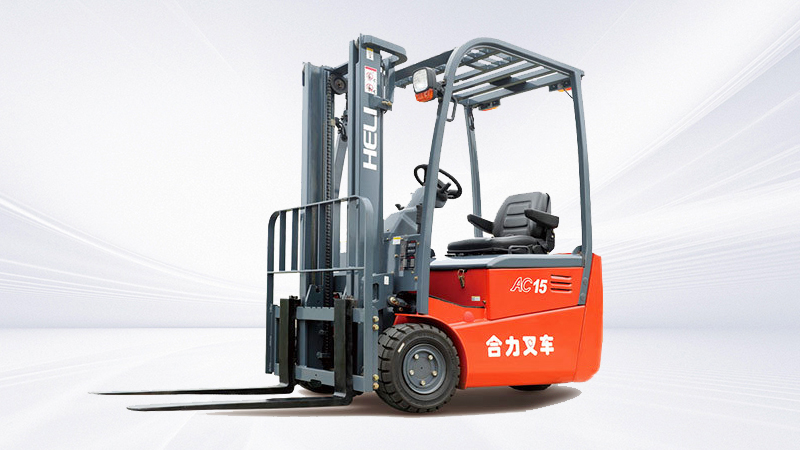
Premium Electric Fork Lifts - Advanced Material Handling Solutions for Modern Warehouses

All Categories

fork lifts

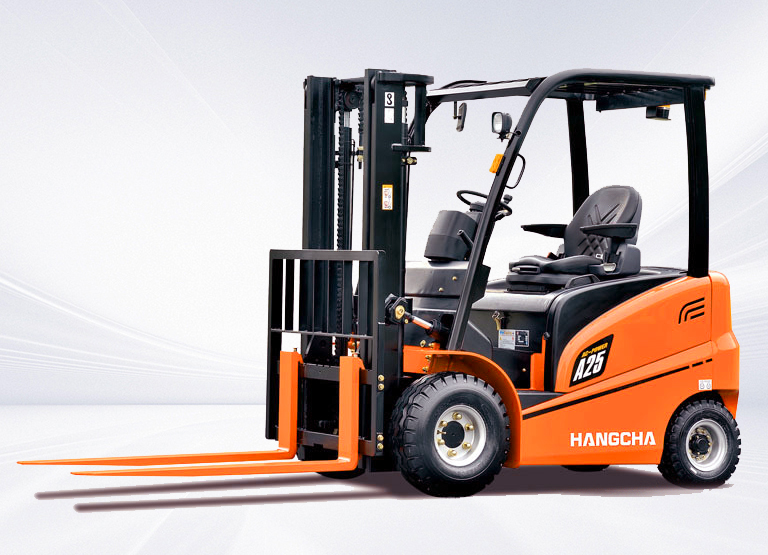
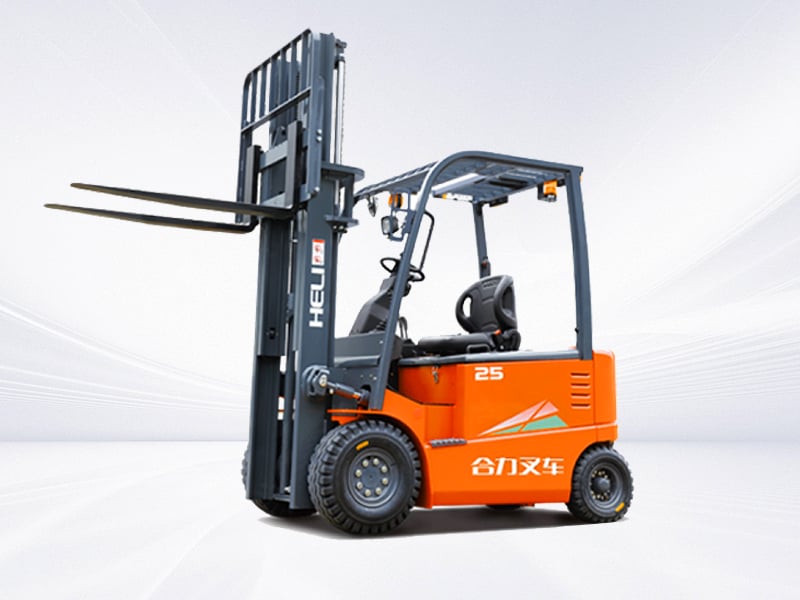
Fork lifts represent essential industrial equipment designed to move, lift, and transport heavy materials across warehouses, distribution centers, and manufacturing facilities. These versatile machines feature two horizontal prongs that slide beneath palletized loads, enabling operators to efficiently handle goods weighing several tons. Modern fork lifts incorporate advanced hydraulic systems that provide smooth lifting motions and precise load positioning capabilities. The primary functions of fork lifts include loading and unloading trucks, stacking inventory in high-reach storage areas, and transporting materials throughout facility operations. Technological features have evolved significantly, with contemporary models offering electric powertrains that reduce emissions and operational costs compared to traditional internal combustion engines. Many fork lifts now include digital displays that monitor battery levels, operating hours, and maintenance schedules to optimize performance. Advanced models feature programmable lift heights, automatic load sensing, and integrated safety systems that prevent tip-overs and collisions. The applications for fork lifts span numerous industries, from retail distribution and automotive manufacturing to food processing and pharmaceutical operations. Construction sites utilize rough terrain fork lifts capable of navigating uneven surfaces while maintaining stability. Cold storage facilities rely on specialized models designed to operate in sub-zero temperatures without compromising functionality. Port operations depend on heavy-duty fork lifts to handle shipping containers and maritime cargo efficiently. The compact design of electric fork lifts makes them ideal for indoor operations where space constraints and air quality matter most. Warehouse managers appreciate the quiet operation of electric models, which improves working conditions and enables round-the-clock operations without noise disruptions. These machines continue evolving with smart technology integration, including telematics systems that track usage patterns and predictive maintenance alerts that minimize unexpected downtime.

New Product Releases

Fork lifts deliver substantial productivity improvements by enabling single operators to handle loads that would otherwise require multiple workers and extended time commitments. Electric fork lifts eliminate fuel costs associated with propane or diesel alternatives, reducing operating expenses by up to sixty percent annually while providing consistent power output throughout entire work shifts. The precision steering and compact turning radius allow operators to navigate narrow aisles and confined spaces efficiently, maximizing storage density within existing warehouse footprints. Modern fork lifts feature ergonomic operator compartments with adjustable seating, intuitive controls, and excellent visibility that reduces operator fatigue during extended shifts. Safety enhancements include automatic braking systems, stability control, and backup alarms that protect both operators and pedestrians in busy work environments. The versatility of fork lifts enables businesses to handle diverse material types, from standard pallets to specialized attachments for drums, pipes, and irregularly shaped items. Maintenance requirements for electric fork lifts are significantly lower than internal combustion models, with fewer moving parts and no need for oil changes, filter replacements, or emission system servicing. The quiet operation of electric models creates better working environments, reduces noise pollution, and allows operations in sound-sensitive areas or during night shifts without disturbing surrounding communities. Fork lifts provide excellent return on investment through increased throughput, reduced labor costs, and improved inventory management capabilities that streamline entire supply chain operations. Advanced battery technology delivers full-shift performance with rapid charging options that minimize equipment downtime. The reliability of modern fork lifts ensures consistent operations with minimal unexpected breakdowns, supporting just-in-time inventory management and customer delivery commitments. Environmental benefits include zero direct emissions for electric models, contributing to corporate sustainability goals and compliance with increasingly strict environmental regulations. Fork lifts adapt to seasonal demand fluctuations, allowing businesses to scale operations efficiently without permanent staffing increases.

Practical Tips

Motor Grader Maintenance: Essential Tips for Operators

19

Jan

Motor Grader Maintenance: Essential Tips for Operators

Proper maintenance of a motor grader is crucial for maximizing equipment performance and extending operational life. Professional operators understand that consistent upkeep directly impacts productivity on construction sites, road building projects,...
View More
Cold Milling Machine Maintenance: Essential Tips

19

Jan

Cold Milling Machine Maintenance: Essential Tips

Proper maintenance of a cold milling machine is crucial for maximizing equipment lifespan, ensuring optimal performance, and reducing operational costs in road construction and rehabilitation projects. These sophisticated machines require systematic ...
View More
Comparing Asphalt vs Concrete Paving Machine Types

26

Dec

Comparing Asphalt vs Concrete Paving Machine Types

The construction industry relies heavily on specialized equipment to create durable and efficient roadway surfaces. When it comes to selecting the right paving machine for your project, understanding the fundamental differences between asphalt and co...
View More
2025 Guide: How to Choose the Right Truck Crane

27

Feb

2025 Guide: How to Choose the Right Truck Crane

Selecting the appropriate truck crane for your construction or industrial operations requires careful consideration of multiple factors that directly impact productivity, safety, and operational costs. A truck crane represents a significant investmen...
View More

Get a Free Quote

Our representative will contact you soon.
Email
Name
Company Name
Message
0/1000

fork lifts

Advanced Electric Powertrain Technology

Advanced Electric Powertrain Technology

The cutting-edge electric powertrain technology in modern fork lifts revolutionizes material handling operations through superior performance, environmental responsibility, and cost-effectiveness. These advanced systems utilize high-capacity lithium-ion batteries that deliver consistent power output throughout entire work shifts, eliminating the performance degradation typically experienced with traditional lead-acid batteries. The electric motors provide instant torque delivery, enabling smooth acceleration and precise load handling that surpasses internal combustion alternatives. This technology eliminates harmful emissions at the point of use, creating healthier work environments and supporting corporate environmental initiatives. The regenerative braking systems capture energy during deceleration and descent operations, extending battery life and reducing overall energy consumption by up to twenty-five percent. Smart charging capabilities allow opportunity charging during breaks, lunch periods, or shift changes, ensuring maximum equipment availability without dedicated charging schedules. The absence of engine noise creates quieter work environments that improve communication, reduce operator stress, and enable operations in noise-sensitive facilities. Maintenance costs decrease dramatically with electric powertrains, as there are no oil changes, fuel filters, spark plugs, or emission system components requiring regular service. The consistent power delivery ensures reliable lifting capacity regardless of battery charge level, unlike internal combustion engines that may lose power as fuel levels decrease. Advanced battery management systems monitor individual cell performance, optimize charging cycles, and provide predictive maintenance alerts that prevent unexpected failures. These electric systems integrate seamlessly with facility management software, providing real-time data on energy consumption, operating efficiency, and carbon footprint reduction. The total cost of ownership for electric fork lifts proves significantly lower over their operational lifespan, combining reduced energy costs, minimal maintenance requirements, and longer equipment life expectancy.
Precision Load Handling and Safety Systems

Precision Load Handling and Safety Systems

Contemporary fork lifts incorporate sophisticated load handling and safety systems that enhance operational precision while protecting operators, pedestrians, and valuable inventory from potential accidents or damage. The advanced hydraulic systems provide smooth, controlled lifting motions with precise positioning capabilities that enable operators to place loads exactly where needed, reducing product damage and improving storage efficiency. Integrated load sensing technology automatically adjusts hydraulic pressure based on load weight, preventing overloading while optimizing lifting performance across diverse material types. The stability control systems continuously monitor load weight, lift height, and fork angle to prevent tip-overs, automatically limiting operations that could compromise safety. Anti-rollback systems prevent uncontrolled movement on inclined surfaces, while automatic parking brakes engage when operators leave their seats. Visibility enhancements include LED lighting packages, panoramic masts, and strategically positioned mirrors that eliminate blind spots and improve awareness of surrounding activities. The operator presence systems require continuous engagement to maintain power, automatically stopping all functions if operators become incapacitated or leave their positions unexpectedly. Speed control systems adjust maximum travel speeds based on load weight and lift height, preventing accidents caused by excessive speed in potentially dangerous configurations. Proximity sensors detect nearby personnel and automatically reduce speed or stop movement when pedestrians enter predetermined safety zones. Emergency stop buttons provide immediate access to complete system shutdown in critical situations. The ergonomic design reduces operator fatigue through adjustable seating, intuitive control placement, and vibration dampening that maintains comfort during extended operations. These safety systems undergo rigorous testing and certification processes, ensuring compliance with international safety standards and regulatory requirements. Training modes restrict equipment performance for new operators while providing real-time feedback on safe operating practices, reducing accidents and improving overall workplace safety culture throughout facilities utilizing these advanced fork lifts.
Versatile Attachment System and Operational Flexibility

Versatile Attachment System and Operational Flexibility

The innovative attachment system featured in modern fork lifts transforms these machines into multi-functional tools capable of handling virtually any material type or operational requirement across diverse industrial applications. The quick-change attachment system allows operators to swap between different implements in minutes, maximizing equipment utilization and reducing the need for specialized machinery investments. Standard fork attachments accommodate various lengths and configurations, from short forks for compact loads to extended forks for oversized materials, ensuring optimal load support and stability. Clamp attachments enable secure handling of appliances, furniture, and products without pallets, expanding operational capabilities beyond traditional palletized goods. Drum handling attachments provide safe manipulation of hazardous materials, chemicals, and industrial fluids while maintaining precise control and preventing spills. Push-pull attachments facilitate efficient handling of slip sheets and specialized packaging systems common in high-volume distribution operations. Side-shift capabilities allow lateral load adjustment without repositioning the entire machine, improving precision placement and reducing cycle times in narrow aisle applications. The hydraulic attachment interface provides power for specialized implements such as rotators, which enable load manipulation and product orientation changes during handling operations. Boom attachments extend reach capabilities for loading trucks, accessing elevated storage positions, and handling materials in locations beyond standard fork reach. These versatile systems adapt to seasonal requirements, special projects, and changing operational needs without requiring additional equipment purchases or lengthy procurement processes. The standardized attachment mounting systems ensure compatibility across different fork lift models and manufacturers, protecting attachment investments and providing operational flexibility. Advanced attachment recognition systems automatically configure hydraulic flow rates, pressure settings, and safety parameters based on the installed implement, optimizing performance while maintaining safety standards. This versatility enables businesses to consolidate multiple pieces of specialized equipment into single, multi-purpose fork lifts that reduce capital costs, maintenance complexity, and operator training requirements while maximizing operational efficiency across diverse material handling applications.
WeChat WeChat
WeChat
TopTop Whatsapp Whatsapp