Professional Construction Cement Mixers - Durable, Efficient Concrete Mixing Solutions

All Categories

construction cement mixer

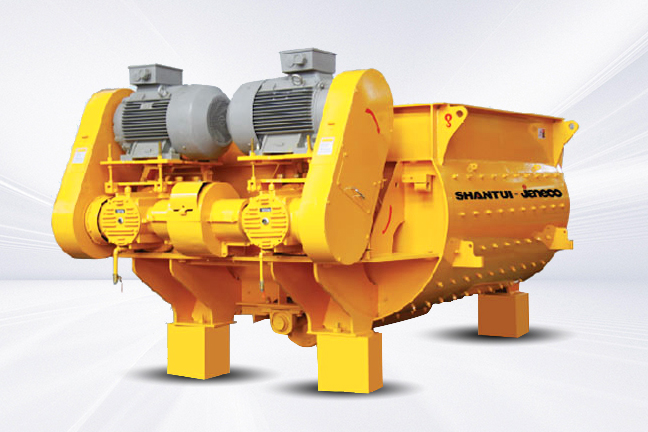
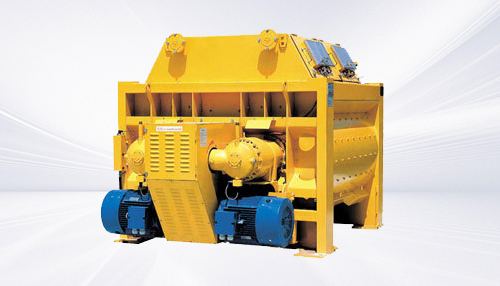
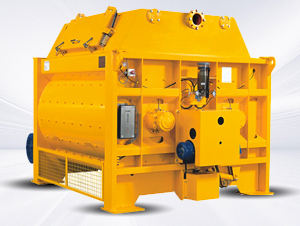
A construction cement mixer stands as an indispensable piece of equipment in the building industry, designed to efficiently combine cement, aggregate materials, water, and additives to produce high-quality concrete. This mechanical marvel transforms raw materials into homogeneous concrete mixtures through powerful rotating mechanisms and precise engineering. Modern construction cement mixers feature robust steel drums that rotate continuously, ensuring thorough blending of all components while maintaining consistent mixture quality throughout the batching process. The primary function of a construction cement mixer involves mechanical agitation that prevents material segregation and creates uniform concrete suitable for various construction applications. These machines incorporate advanced hydraulic systems that control drum rotation speed, mixing duration, and discharge timing with remarkable precision. Technological innovations have revolutionized construction cement mixer design, introducing computerized control panels that monitor mixing parameters and optimize performance automatically. Many contemporary models feature GPS tracking systems, fuel efficiency monitors, and remote diagnostic capabilities that enhance operational oversight. The drum capacity varies significantly across different construction cement mixer models, ranging from compact units handling small residential projects to massive industrial mixers processing tons of concrete hourly. Transit mixers represent a specialized category of construction cement mixers, combining transportation and mixing capabilities in a single unit that delivers fresh concrete directly to construction sites. These mobile solutions eliminate the need for separate mixing facilities while maintaining concrete quality during transport. Construction cement mixers serve diverse applications including residential building construction, commercial development projects, infrastructure development, and specialized concrete work. Their versatility extends to producing various concrete grades, from standard building mixes to specialized formulations for specific engineering requirements. The reliability and efficiency of construction cement mixers directly impact project timelines, cost management, and construction quality standards across the industry.

New Products

The construction cement mixer delivers exceptional value through numerous practical benefits that directly impact project success and operational efficiency. Time savings represent the most significant advantage, as these machines dramatically reduce manual labor requirements while accelerating concrete production cycles. Traditional hand-mixing methods consume hours of labor for quantities that a construction cement mixer completes in minutes, enabling construction teams to maintain aggressive project schedules without compromising quality standards. Cost efficiency emerges as another compelling advantage, since construction cement mixers eliminate the need for large crews dedicated to manual mixing tasks. The reduced labor requirements translate into substantial savings on wages, insurance, and supervision costs throughout project duration. Additionally, these machines minimize material waste through precise measurement capabilities and consistent mixing processes that prevent over-ordering or disposal of improperly mixed batches. Quality consistency stands as a hallmark advantage of construction cement mixers, ensuring every batch meets specified strength requirements and performance standards. The mechanical mixing process eliminates human variability factors that often compromise hand-mixed concrete quality, resulting in stronger, more durable construction outcomes. This consistency proves particularly valuable for large-scale projects where material performance variations could create structural integrity concerns. Versatility represents another key advantage, as construction cement mixers accommodate various concrete types, additives, and specialized formulations without requiring equipment modifications. Whether producing standard building concrete, high-strength mixes, or decorative formulations, these machines adapt seamlessly to diverse project requirements. The mobility advantage of truck-mounted construction cement mixers enables on-site mixing that eliminates concrete transportation challenges and reduces material handling costs. Fresh concrete delivery directly to placement locations minimizes logistics complexity while ensuring optimal concrete workability. Safety improvements constitute a significant advantage, as construction cement mixers reduce worker exposure to physical strain, dust inhalation, and repetitive motion injuries associated with manual mixing processes. Automated controls and enclosed mixing chambers create safer working environments while maintaining productive output levels. Environmental benefits include reduced dust emissions, controlled water usage, and minimized material spillage compared to traditional mixing methods.

Tips And Tricks

Cold Milling Machine Maintenance: Essential Tips

19

Jan

Cold Milling Machine Maintenance: Essential Tips

Proper maintenance of a cold milling machine is crucial for maximizing equipment lifespan, ensuring optimal performance, and reducing operational costs in road construction and rehabilitation projects. These sophisticated machines require systematic ...
View More
Cold Milling Machine Safety: Best Practices Guide

19

Jan

Cold Milling Machine Safety: Best Practices Guide

Operating a cold milling machine requires comprehensive understanding of safety protocols and best practices to ensure optimal performance while protecting workers and equipment. These powerful construction machines are essential for road rehabilitat...
View More
How to Start a Dump Truck Business: Complete Guide

06

Feb

How to Start a Dump Truck Business: Complete Guide

Starting a dump truck business represents an excellent opportunity to enter the lucrative construction and transportation industry. The demand for reliable dump truck services continues to grow as construction projects expand across residential, comm...
View More
5 Ways Wheeled Loader Technology Is Evolving in 2025

27

Feb

5 Ways Wheeled Loader Technology Is Evolving in 2025

Construction and earthmoving industries are witnessing unprecedented technological advancements in heavy machinery, particularly in wheeled loader systems. Modern wheeled loader technology represents a significant leap forward from traditional models...
View More

Get a Free Quote

Our representative will contact you soon.
Email
Name
Company Name
Message
0/1000

construction cement mixer

Advanced Hydraulic Control Systems for Optimal Performance

Advanced Hydraulic Control Systems for Optimal Performance

Modern construction cement mixers incorporate sophisticated hydraulic control systems that revolutionize concrete production efficiency and quality management. These advanced systems provide precise control over drum rotation speed, mixing duration, and discharge timing, enabling operators to customize mixing parameters for specific concrete formulations and project requirements. The hydraulic controls eliminate guesswork from the mixing process, ensuring consistent results regardless of operator experience levels. This technology represents a significant advancement over older mechanical systems that relied heavily on operator skill and manual adjustments. The hydraulic system components include variable displacement pumps, servo-controlled valves, and electronic monitoring systems that work together to maintain optimal mixing conditions throughout the batching cycle. These systems automatically adjust rotation speed based on material density, moisture content, and mixing time requirements, preventing over-mixing that could compromise concrete strength or under-mixing that results in poor material integration. The precision control capabilities extend to discharge operations, where hydraulic systems manage chute positioning and flow rates to ensure accurate concrete placement without segregation or spillage. This level of control proves invaluable for projects requiring specific concrete grades or specialized additives that demand precise handling protocols. Maintenance benefits accompany these hydraulic systems, as electronic diagnostics identify potential issues before they cause equipment failures or production delays. The systems generate detailed operational reports that track performance metrics, fuel consumption, and maintenance schedules, enabling proactive equipment management strategies. Safety enhancements include automatic shutdown features that activate when operational parameters exceed safe limits, protecting both equipment and personnel from potential hazards. The hydraulic control systems also integrate with fleet management software, allowing construction companies to monitor multiple construction cement mixers simultaneously and optimize deployment across various project sites. This technological sophistication transforms construction cement mixers from simple mixing devices into intelligent production systems that enhance project outcomes while reducing operational complexity and costs.
Exceptional Durability and Reliability for Long-Term Value

Exceptional Durability and Reliability for Long-Term Value

Construction cement mixers demonstrate remarkable durability through robust engineering designed to withstand the demanding conditions of construction environments. Heavy-duty steel construction forms the foundation of these machines, utilizing high-grade materials that resist corrosion, impact damage, and structural fatigue even under continuous operation. The drum assemblies feature reinforced steel with specialized coatings that prevent concrete adhesion while maintaining smooth surfaces essential for proper mixing action. This durability translates into extended equipment lifecycles that provide superior return on investment compared to alternative concrete production methods. The reliability of construction cement mixers stems from simplified mechanical designs that minimize potential failure points while maximizing operational uptime. Critical components undergo rigorous testing protocols that simulate years of field operation, ensuring consistent performance throughout the equipment lifecycle. Engine systems selected for construction cement mixers prioritize reliability over maximum power output, incorporating proven technologies that deliver dependable operation in harsh environmental conditions. The transmission systems utilize heavy-duty components designed specifically for construction applications, with reinforced gear trains that handle variable loads without premising performance or reliability. Preventive maintenance programs supported by comprehensive service networks ensure construction cement mixers maintain peak performance levels throughout their operational life. Manufacturers provide detailed maintenance schedules, genuine replacement parts, and technical support services that minimize downtime while maximizing equipment availability. The modular design philosophy employed in many construction cement mixers facilitates component replacement and repair procedures, reducing maintenance complexity and costs. Field-replaceable components include drum bearings, hydraulic seals, and control system modules that technicians can service without extensive equipment disassembly. Weather resistance represents another durability advantage, as construction cement mixers operate effectively in diverse climatic conditions including extreme temperatures, high humidity, and dusty environments. Sealed electrical systems, corrosion-resistant hardware, and weatherproof control panels ensure reliable operation regardless of environmental challenges. The long-term value proposition of durable construction cement mixers includes reduced replacement costs, minimal production interruptions, and consistent concrete quality that supports construction project success across multiple years of service.
Versatile Applications Across Diverse Construction Projects

Versatile Applications Across Diverse Construction Projects

The versatility of construction cement mixers enables their successful deployment across an extensive range of construction applications, from small residential projects to large-scale infrastructure development. This adaptability stems from flexible design characteristics that accommodate various concrete formulations, batch sizes, and placement requirements without compromising mixing quality or operational efficiency. Residential construction projects benefit from compact construction cement mixers that navigate restricted access areas while producing consistent concrete for foundations, driveways, sidewalks, and decorative elements. These smaller units deliver precise batch quantities that match project requirements without excess material waste or storage challenges. Commercial construction applications utilize larger construction cement mixers capable of continuous production cycles that support high-volume concrete placement operations. The scalability of these machines enables construction companies to match equipment capacity with project demands, optimizing resource allocation and operational costs. Infrastructure projects including highways, bridges, and public utilities rely on heavy-duty construction cement mixers that produce specialized concrete formulations meeting stringent engineering specifications. These applications often require high-strength concrete, rapid-setting formulations, or additive-enhanced mixtures that demand precise mixing protocols achievable only through mechanical systems. The construction cement mixer versatility extends to producing decorative concrete applications including stamped surfaces, colored mixtures, and textured finishes that require consistent material properties and controlled working times. Specialty applications include producing lightweight concrete for insulation purposes, high-density concrete for radiation shielding, and fiber-reinforced concrete for enhanced structural performance. Agricultural construction projects utilize construction cement mixers for producing concrete suitable for livestock facilities, grain storage structures, and irrigation systems that must withstand specific environmental conditions and chemical exposures. Industrial applications include producing concrete for manufacturing facilities, warehouses, and processing plants that require specialized performance characteristics such as chemical resistance or enhanced durability. Emergency repair projects benefit from mobile construction cement mixers that provide immediate concrete production capabilities without requiring permanent mixing facilities or extended setup procedures. The seasonal adaptability of construction cement mixers includes cold-weather concrete production capabilities through heated mixing systems and accelerated curing additives that maintain construction schedules despite challenging environmental conditions.
WeChat WeChat
WeChat
TopTop Whatsapp Whatsapp