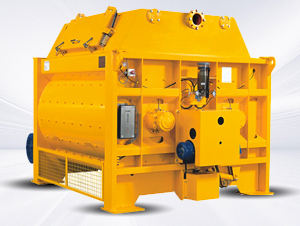
Professional Concrete Agitator Systems - Advanced Mixing Technology for Superior Construction Results

All Categories

concrete agitator

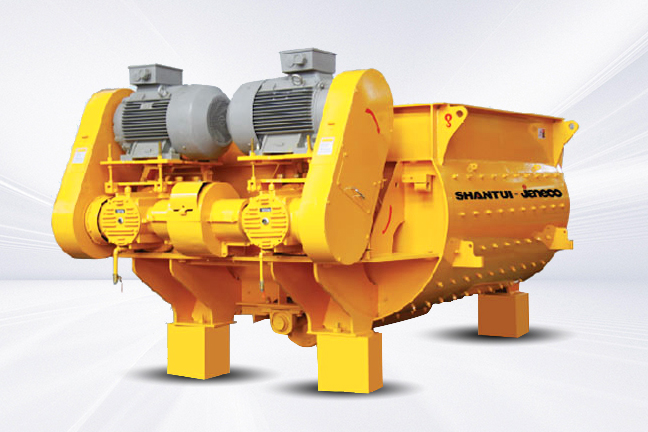
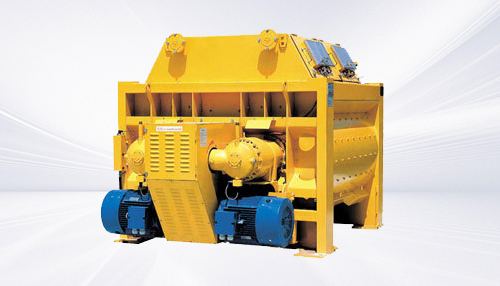
A concrete agitator represents an essential piece of construction equipment designed to maintain the consistency and workability of ready-mixed concrete during transportation and on-site operations. This specialized machinery serves as the backbone of concrete delivery systems, ensuring that cement, aggregates, water, and additives remain properly blended throughout the entire process from batching plant to final placement. The primary function of a concrete agitator involves continuous rotation of its drum-shaped mixing chamber, which prevents concrete segregation and maintains optimal material homogeneity. Modern concrete agitator units incorporate advanced hydraulic systems that provide precise control over rotation speed and direction, allowing operators to adjust mixing intensity based on specific project requirements and concrete specifications. The technological framework of these systems includes robust gear reduction mechanisms, high-torque motors, and reinforced mixing blades that can handle various concrete densities and aggregate sizes. Contemporary concrete agitator designs feature computerized control panels that monitor rotation cycles, operating temperatures, and mechanical performance indicators to ensure consistent output quality. These machines typically accommodate concrete volumes ranging from small residential batches to large commercial pours, with capacity variations spanning from compact truck-mounted units to stationary plant installations. Applications for concrete agitator equipment extend across residential construction, commercial building projects, infrastructure development, and specialized concrete applications such as precast manufacturing. The versatility of modern concrete agitator technology enables efficient handling of standard concrete mixes, high-performance concrete formulations, and specialized additives including fiber reinforcement and chemical admixtures. Integration capabilities allow concrete agitator systems to connect seamlessly with batching plants, conveyor systems, and automated quality control equipment, creating comprehensive concrete production workflows that maximize efficiency and minimize waste generation.

New Product Releases

The concrete agitator delivers substantial operational benefits that directly impact project productivity, cost efficiency, and quality outcomes for construction professionals. Primary advantages include maintaining concrete workability for extended periods, which eliminates the time constraints typically associated with traditional mixing methods and provides greater flexibility in project scheduling and logistics coordination. This extended working time translates into reduced material waste, as contractors can utilize concrete batches more completely without concerns about premature setting or loss of consistency. The continuous mixing action of a concrete agitator ensures uniform distribution of all components, resulting in superior concrete strength characteristics and enhanced durability performance compared to manually mixed alternatives. Quality consistency represents another significant advantage, as the controlled mixing environment eliminates human variables that can lead to batch-to-batch variations in concrete properties. Cost savings emerge through reduced labor requirements, as a single operator can manage concrete agitator operations that would otherwise require multiple workers for manual mixing processes. The mechanized approach also reduces physical strain on construction crews, improving workplace safety and reducing injury-related project delays. Concrete agitator systems enhance project scheduling flexibility by allowing concrete preparation to occur independently of placement activities, enabling contractors to optimize crew deployment and equipment utilization across multiple tasks simultaneously. The precision control offered by modern concrete agitator technology enables contractors to achieve exact concrete specifications required for specialized applications, including high-strength formulations and decorative concrete installations. Environmental benefits include reduced energy consumption per unit of concrete produced and minimized material waste through more efficient mixing processes. The reliability of concrete agitator equipment reduces project risks associated with material quality issues, helping contractors maintain project timelines and avoid costly rework situations. Integration capabilities with other construction equipment and quality monitoring systems provide contractors with comprehensive data tracking and documentation tools that support quality assurance protocols and regulatory compliance requirements. These operational advantages combine to deliver measurable improvements in project profitability, timeline adherence, and overall construction quality standards.

Practical Tips

2025 Guide: How to Choose the Best Paving Machine

26

Dec

2025 Guide: How to Choose the Best Paving Machine

Selecting the right paving machine is crucial for construction projects that demand precision, efficiency, and long-lasting results. Modern paving operations require sophisticated equipment that can handle various materials, project scales, and envir...
View More
10 Essential Wheeled Loader Maintenance Tips You Must Know

06

Feb

10 Essential Wheeled Loader Maintenance Tips You Must Know

Effective wheeled loader maintenance is crucial for maximizing equipment lifespan, minimizing downtime, and ensuring optimal performance on construction and industrial sites. A well-maintained wheeled loader operates more efficiently, consumes less f...
View More
Dump Truck Operating Costs: What to Expect in 2025

06

Feb

Dump Truck Operating Costs: What to Expect in 2025

Operating a dump truck in today's construction and mining industries requires careful financial planning and cost analysis. As we approach 2025, fleet managers and owner-operators face evolving economic pressures that directly impact profitability. U...
View More
How to Start a Dump Truck Business: Complete Guide

06

Feb

How to Start a Dump Truck Business: Complete Guide

Starting a dump truck business represents an excellent opportunity to enter the lucrative construction and transportation industry. The demand for reliable dump truck services continues to grow as construction projects expand across residential, comm...
View More

Get a Free Quote

Our representative will contact you soon.
Email
Name
Company Name
Message
0/1000

concrete agitator

Advanced Hydraulic Control System for Optimal Performance

Advanced Hydraulic Control System for Optimal Performance

The sophisticated hydraulic control system integrated into modern concrete agitator equipment represents a revolutionary advancement in mixing technology that delivers unprecedented precision and reliability for construction operations. This advanced system utilizes high-pressure hydraulic circuits that provide smooth, consistent power delivery to the mixing drum, ensuring optimal concrete agitation regardless of batch size or material density variations. The hydraulic framework incorporates variable-speed control mechanisms that allow operators to adjust rotation speeds precisely, accommodating different concrete formulations and project-specific requirements with exceptional accuracy. This level of control enables contractors to optimize mixing energy input, preventing over-mixing that can compromise concrete properties while ensuring adequate blending for uniform material distribution. The system features automatic pressure compensation that maintains consistent performance even under varying load conditions, such as when handling high-density concrete mixes or operating in challenging environmental conditions. Temperature monitoring capabilities within the hydraulic system provide early warning indicators for potential maintenance needs, helping prevent costly equipment downtime and ensuring continuous operation throughout demanding project schedules. The robust construction of hydraulic components includes reinforced seals, corrosion-resistant materials, and heavy-duty pumps designed to withstand the demanding conditions typical of construction environments. Energy efficiency represents another key benefit of the advanced hydraulic system, as optimized power transfer reduces fuel consumption and operating costs while maintaining superior mixing performance. The system integrates seamlessly with computerized control interfaces that provide real-time performance data, enabling operators to monitor system health and optimize operating parameters for maximum efficiency. Maintenance advantages include accessible service points, diagnostic capabilities that identify potential issues before they become critical problems, and modular component design that simplifies repair procedures and reduces maintenance-related downtime. The reliability of the hydraulic control system ensures consistent concrete quality across all batches, supporting quality assurance protocols and helping contractors meet stringent project specifications with confidence.
Superior Mixing Blade Technology for Enhanced Concrete Quality

Superior Mixing Blade Technology for Enhanced Concrete Quality

The innovative mixing blade technology incorporated in contemporary concrete agitator systems delivers exceptional concrete quality through scientifically designed blade configurations that optimize material flow patterns and ensure complete ingredient integration throughout the mixing process. These specially engineered blades feature aerodynamic profiles that create controlled turbulence patterns within the mixing chamber, promoting thorough blending of cement, aggregates, water, and chemical admixtures while minimizing energy consumption and wear on mechanical components. The blade geometry incorporates advanced metallurgical principles, utilizing high-strength steel alloys and specialized heat treatment processes that provide superior durability and resistance to abrasive wear from concrete aggregates. Multiple blade angles and positioning create complex mixing patterns that eliminate dead zones within the drum where unmixed materials might accumulate, ensuring uniform concrete consistency from the first rotation cycle through final discharge. The strategic placement of blades generates optimal shear forces that break down cement particle agglomerations and distribute fine materials evenly throughout the concrete matrix, resulting in improved strength development and enhanced workability characteristics. Adjustable blade configurations allow operators to customize mixing intensity for different concrete types, from standard residential mixes to high-performance formulations requiring precise material distribution for optimal performance. The blade system includes replaceable wear components that extend equipment life and reduce maintenance costs, while modular design enables quick blade replacement without extensive equipment disassembly. Quality benefits include improved concrete homogeneity, reduced segregation tendencies, and enhanced bonding between cement paste and aggregate particles, all contributing to superior final concrete properties. The efficient mixing action reduces the time required to achieve complete material integration, increasing production capacity and enabling contractors to meet demanding project schedules without compromising quality standards. Specialized coatings on blade surfaces minimize concrete adhesion and facilitate easy cleaning, reducing maintenance requirements and preventing concrete buildup that could affect mixing efficiency. The proven performance of this mixing blade technology ensures consistent results across diverse concrete applications, from standard construction projects to specialized installations requiring exacting quality standards.
Integrated Quality Monitoring and Control Systems

Integrated Quality Monitoring and Control Systems

The comprehensive quality monitoring and control systems integrated into modern concrete agitator equipment provide unprecedented visibility into mixing operations and concrete quality parameters, enabling contractors to maintain consistent output standards while optimizing operational efficiency across all project phases. These sophisticated monitoring systems incorporate multiple sensor technologies that continuously track critical parameters including mixing drum rotation speed, concrete temperature, batch timing, and hydraulic system performance, providing real-time data that supports proactive quality management and preventive maintenance protocols. The computerized control interface displays comprehensive operational data through intuitive dashboard layouts that enable operators to quickly assess system status and make informed adjustments to maintain optimal performance levels throughout extended operating periods. Automated data logging capabilities create detailed records of all mixing operations, supporting quality assurance documentation requirements and enabling contractors to demonstrate compliance with project specifications and regulatory standards. The system includes programmable mixing profiles that allow operators to establish standardized procedures for different concrete types, ensuring consistent processing approaches that eliminate variables that could affect final concrete quality. Advanced alarm systems provide immediate notification of any operational parameters that exceed predetermined limits, enabling prompt corrective actions that prevent quality issues and equipment damage. Integration capabilities allow the monitoring system to interface with batching plant controls, creating seamless data flow between concrete production and delivery operations that enhances overall process coordination and quality control. Remote monitoring options enable supervisory personnel to track concrete agitator performance from off-site locations, supporting efficient fleet management and rapid response to any operational issues that might arise during critical project phases. The system generates comprehensive performance reports that provide valuable insights into equipment utilization, maintenance needs, and operational efficiency trends, supporting data-driven decision making for equipment management and project planning. Calibration protocols ensure measurement accuracy across all monitored parameters, while built-in diagnostic routines identify potential sensor issues before they compromise data reliability. The quality monitoring system supports continuous improvement initiatives by providing detailed performance metrics that enable contractors to identify optimization opportunities and implement best practices across their concrete operations, ultimately delivering superior project outcomes and enhanced customer satisfaction.
WeChat WeChat
WeChat
TopTop Whatsapp Whatsapp