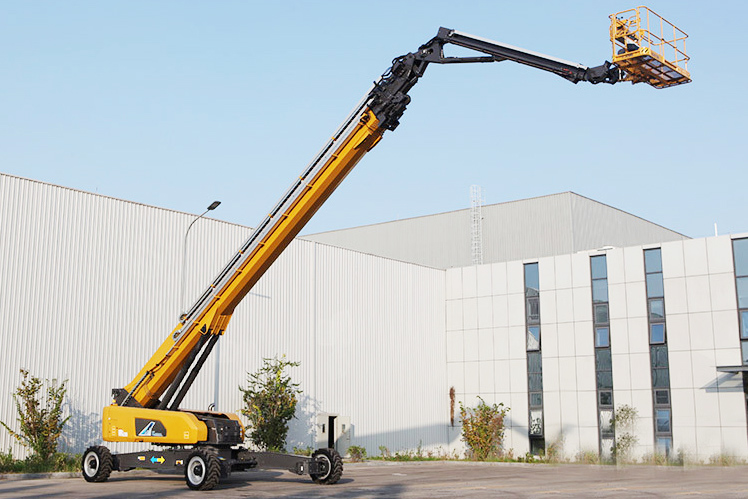
The aerial work platform represents a pinnacle of modern engineering designed to address the critical needs of height access across numerous industries. These machines have fundamentally transformed how professionals approach tasks that require elevation, offering a combination of safety, efficiency, and versatility that traditional methods like ladders and scaffolding simply cannot match. At their core, aerial work platforms are designed to provide a stable, secure, and elevated workspace for personnel, tools, and materials. The fundamental principle behind their operation is to eliminate the risks associated with unstable access methods while simultaneously enhancing productivity by allowing workers to focus entirely on their tasks without the constant concern for balance or fatigue.
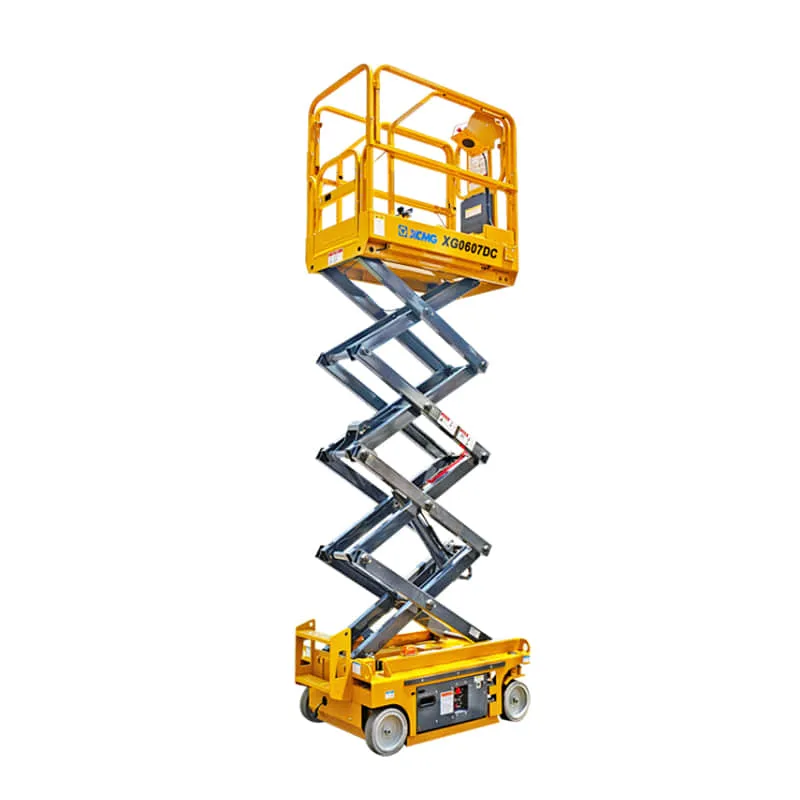
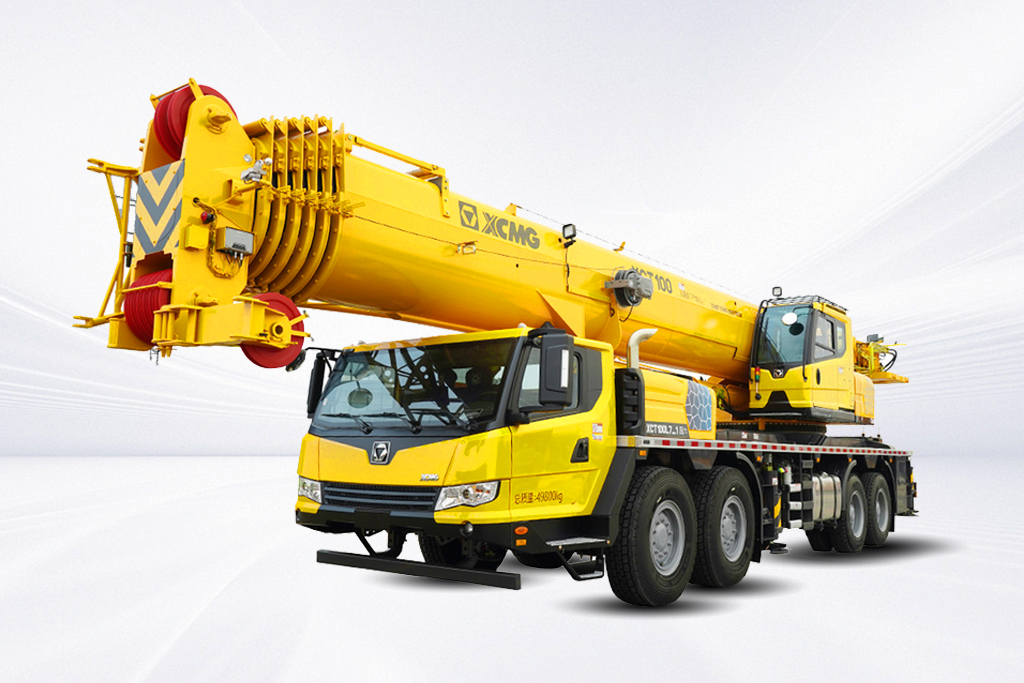
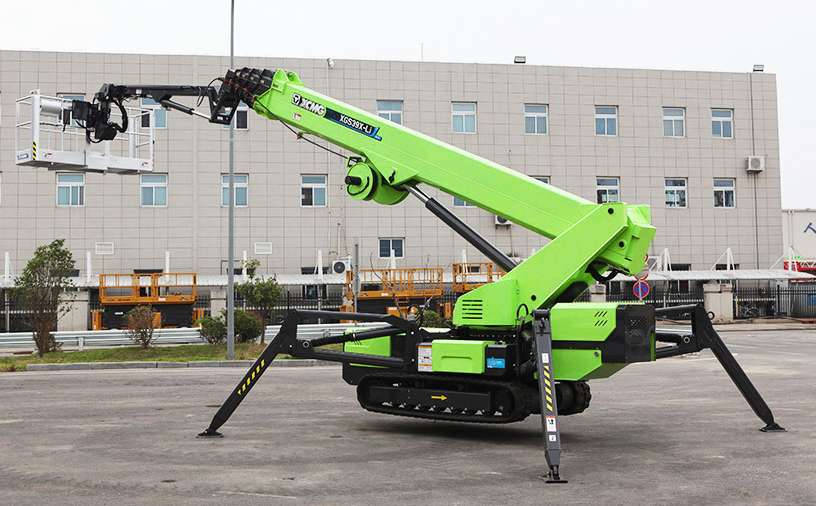
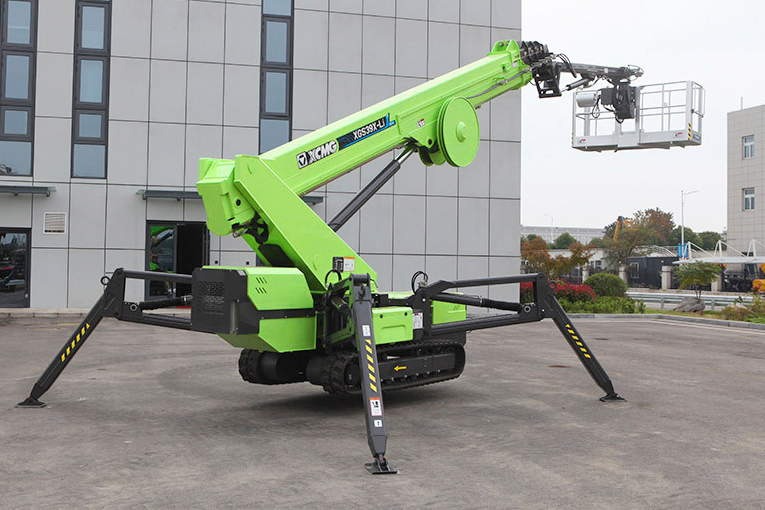
The diversity within the category of aerial work platforms is vast, with machines tailored to specific applications and environments. Scissor lifts, for example, provide vertical elevation through a crisscrossing mechanism that offers exceptional stability for tasks requiring straight-up access, making them ideal for interior construction, warehouse maintenance, and installation work in large facilities. Boom lifts, divided into articulated and telescopic models, deliver both vertical and horizontal reach, enabling workers to navigate over obstacles and access difficult-to-reach areas. These are indispensable in construction settings, electrical installations, and outdoor maintenance projects. Other specialized variants include vertical mast lifts for confined spaces, spider lifts with tracked undercarriages for delicate terrain, and truck-mounted platforms for mobility between job sites.
Safety is the non-negotiable cornerstone of aerial work platform design. Every machine incorporates multiple redundant safety systems to protect operators. These include platform guardrails, toe guards, and harness attachment points to prevent falls; emergency descent systems that lower the platform safely in case of power failure; and tilt sensors and load sensors that prevent operation on unstable ground or overloaded conditions. Modern platforms often feature intelligent control systems that require the operator to maintain constant contact with the controls, ensuring attentive operation. Furthermore, many models designed for specific applications feature insulating components that protect workers when working near live electrical components.
The operational advantages of aerial work platforms extend far beyond safety. Their mobility and quick setup time dramatically reduce the time spent accessing work areas compared to building scaffolding. The ability to precisely position workers exactly where they need to be, often with 360-degree rotation capability, eliminates the constant repositioning that plagues traditional access methods. Many platforms offer significant load capacities, allowing workers to bring all necessary tools and materials with them to the work area, further enhancing efficiency. The availability of various power options—electric for zero-emission indoor operation, diesel for rough outdoor terrain, and hybrid models that combine both—ensures there's an appropriate solution for every environment.
The technological evolution of aerial work platforms continues to advance their capabilities. Many modern models feature proportional controls that allow for smooth, precise movements; self-diagnostic systems that alert operators to potential maintenance issues; and even GPS tracking for fleet management and theft prevention. Some high-end platforms incorporate leveling systems that automatically compensate for uneven ground, while others feature advanced drive systems that enable exceptional maneuverability in tight spaces. The integration of telematics allows fleet managers to monitor usage patterns, maintenance needs, and operator behavior, optimizing the entire lifecycle of the equipment.
From an economic perspective, aerial work platforms offer compelling value despite their initial investment. The dramatic reduction in setup time translates directly to labor savings, while the enhanced safety profile reduces the potential for costly accidents and insurance claims. The versatility of these machines means a single unit can often replace multiple specialized access solutions, simplifying fleet management. When considering the total cost of ownership—factoring in maintenance, durability, and resale value—quality aerial work platforms consistently demonstrate their worth as strategic investments rather than mere expenses.