
 EN
EN
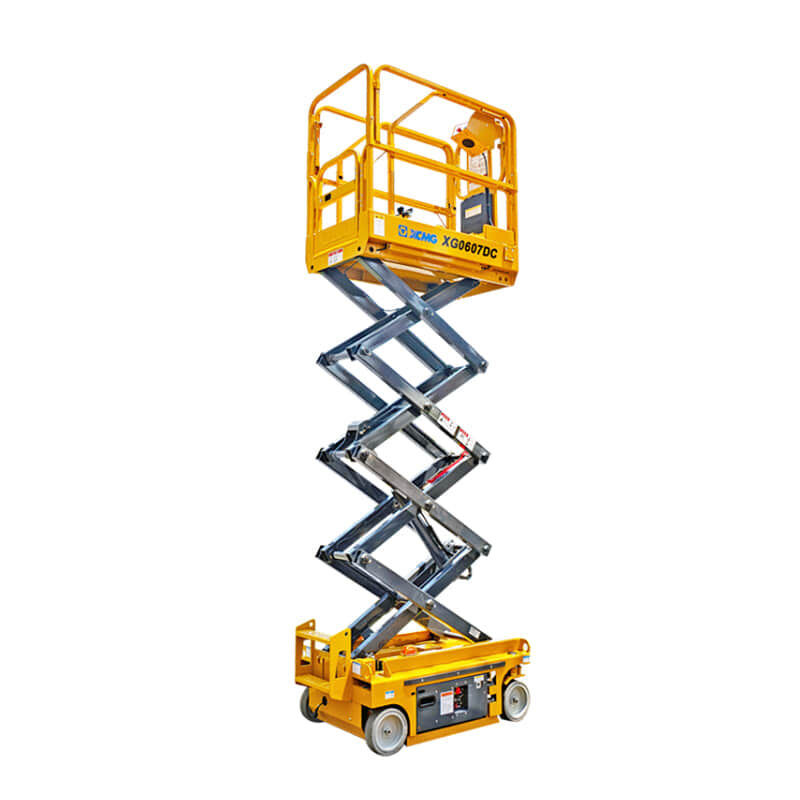
As a B2B sales professional specializing in industrial equipment, I’ve seen firsthand how the right tools transform workplace efficiency—and few tools deliver as much value in their category as the light duty work platform. A light duty work platform is a versatile, compact lifting solution designed for low-height tasks that don't require the power or cost of heavy-duty alternatives. Over the years, I've helped countless clients—from warehouse managers to retail operations directors—discover how a light duty work platform streamlines daily operations, reduces manual labor, and minimizes safety risks. Unlike larger aerial lifts, a light duty work platform is affordable, easy to maneuver, and requires minimal training, making it accessible to businesses of all sizes. In this guide, I'll break down what a light duty work platform is, its key features, manufacturing advantages, and why integrating a light duty work platform into your operations can deliver measurable ROI. Whether you're managing inventory, performing maintenance, or organizing stock, a light duty work platform is more than just equipment—it’s a strategic investment in productivity.
Key Features of a Light Duty Work Platform
Understanding the features of a light duty work platform is essential to recognizing its value for specific business needs.
The most defining characteristic of a light duty work platform is its height capacity, typically ranging from 3 to 10 meters (10 to 33 feet). This makes a light duty work platform ideal for tasks like shelving stock in warehouses, changing ceiling lights in retail stores, or accessing overhead machinery in factories—jobs that require elevation but not the extreme reach of heavy-duty models. I often emphasize to clients that a light duty work platform avoids the overkill of larger lifts; why pay for 50-foot reach when 15 feet suffices?
Weight capacity is another key feature that sets a light duty work platform apart. Most models support 200 to 500 kilograms (440 to 1,100 pounds), enough to carry 1-2 workers plus tools and materials. This balance of strength and restraint makes a light duty work platform safe for daily use without the structural bulk of heavier equipment. For example, a logistics client recently replaced their old scaffolding with a light duty work platform, noting that the new equipment easily handled their team’s weight along with barcode scanners and inventory boxes—all while occupying less floor space.
Maneuverability is where a light duty work platform truly shines. Compact dimensions, often under 1.5 meters in width, allow a light duty work platform to navigate narrow aisles in warehouses, tight backrooms in retail stores, or between production lines in factories. Many models feature non-marking tires, a detail I highlight to clients with polished floors, as a light duty work platform won’t leave scuffs or damage sensitive surfaces. Electric-powered light duty work platform units add to this advantage with quiet operation—critical for environments like offices or customer-facing areas where noise must be minimized.
Ease of use is a standout feature that reduces training time and operational friction. A light duty work platform typically has intuitive controls—often simple joysticks or push buttons—that any employee can master in minutes. Unlike heavy machinery aerial lifts with complex hydraulic systems, a light duty work platform requires minimal maintenance, with most models needing only regular battery checks and lubrication. I’ve worked with restaurant chains that deploy a light duty work platform for changing menu boards; their staff, with no prior equipment experience, were operational within an hour of delivery.
Safety features in a light duty work platform are designed for practical, daily use. Standard components include guardrails around the platform, emergency stop buttons, and tilt sensors that prevent operation on uneven surfaces. Many light duty work platform models also have automatic descent systems, ensuring safe lowering even if power fails. These features address a common client concern: liability. A light duty work platform reduces the risk of falls compared to ladders, which remain a leading cause of workplace injuries—an important selling point for risk-conscious managers.
Manufacturing Advantages of a Light Duty Work Platform
The reliability and value of a light duty work platform stem from deliberate manufacturing choices tailored to its intended use.
Materials selection is a primary advantage: manufacturers use high-grade aluminum alloys for the platform and frame of a light duty work platform, striking a balance between strength and weight. This makes a light duty work platform easy to move while maintaining structural integrity—a critical factor for clients who need to relocate the equipment frequently. Unlike clients in retail often remark on how their light duty work platform can be pushed by one person, even when fully loaded, thanks to this lightweight construction.
Efficient engineering optimizes the light duty work platform for daily use. Unlike a heavy lift with complex boom systems, a light duty work platform typically uses a scissor lift mechanism—fewer moving parts mean less wear and lower repair costs. Manufacturers focus on simplifying critical systems: hydraulic components in a light duty work platform are smaller but more durable, designed for thousands of cycles without failure. I recently visited a distribution center that had used the same light duty work platform daily for five years; the only maintenance needed was a single hydraulic fluid change, a testament to this engineering approach.
Cost-effective design in a light duty work platform prioritizes user needs without unnecessary complexity. For example, battery-powered models feature quick-charge technology, allowing a light duty work platform to recharge during breaks and operate for full shifts. Foldable guardrails on some light duty work platform models make storage easier, a boon for clients with limited space. These details reflect a manufacturing philosophy: a light duty work platform should solve problems, not create new ones. A restaurant group I worked with particularly valued this—their light duty work platform tucks neatly into a storage closet when not in use, unlike their old ladder that cluttered the back room.
Compliance with safety standards is non-negotiable in light duty work platform production. Every unit meets OSHA, ANSI, and ISO requirements, with third-party testing verifying load capacity, stability, and emergency systems. This compliance is a selling point I emphasize to clients in regulated industries, such as healthcare or education, where safety audits are rigorous. A school district client recently noted that their light duty work platform passed inspection with zero issues, unlike their previous equipment which failed due to non-compliant guardrails.
Cost efficiency in manufacturing translates to value for clients. The simplified design of a light duty work platform reduces production costs, making it more affordable than heavy-duty alternatives—often priced at a third of the cost of a full-size aerial lift. This affordability allows businesses to equip multiple locations or departments with a light duty work platform, rather than sharing a single piece of equipment. A retail chain I 合作 with purchased 12 light duty work platform units—one for each store—eliminating the need to shuffle equipment between locations and reducing downtime.
Ideal Uses and Benefits of a Light Duty Work Platform
The versatility of a light duty work platform makes it indispensable across industries, a point I highlight by sharing client success stories.
In warehousing and logistics, a light duty work platform excels at picking and restocking items on mid-level shelves—typically 8 to 15 feet high. A distribution center client reported a 30% increase in picking speed after replacing step ladders with a light duty work platform, as workers no longer wasted time climbing up and down or balancing precariously. The platform’s stable surface also reduced damaged inventory, as items could be safely placed rather than dropped from above.
Retail environments benefit significantly from a light duty work platform’s compact size and low noise. Clothing stores use it to change mannequins on high displays, while grocery stores deploy a light duty work platform for restocking upper shelves in aisles. A supermarket chain noted that customers barely noticed their light duty work platform in use, unlike the old scaffolding that blocked aisles and annoyed shoppers. The ability to operate a light duty work platform during business hours without disrupting customers is a major advantage for retail clients.
Facility maintenance is another ideal application for a light duty work platform. Schools, offices, and hospitals use it for tasks like changing light bulbs, repairing ceiling tiles, or cleaning windows. A university facilities manager told me their light duty work platform cut maintenance time in half compared to using ladders, as workers could carry all tools on the platform instead of climbing up and down for supplies. The safety features were equally valuable—incidents of falls dropped to zero after adopting the light duty work platform.
Light manufacturing and assembly lines rely on a light duty work platform for accessing overhead machinery or installing components. Unlike heavy lifts that block production flow, a light duty work platform can be positioned quickly between workstations, allowing maintenance without halting the line. A electronics manufacturer reported that their light duty work platform reduced unplanned downtime by 40%, as minor repairs could be done on the spot rather than scheduling a full shutdown for larger equipment.
The benefits of a light duty work platform extend beyond specific tasks to broader operational improvements. Cost savings top the list: lower purchase price, minimal maintenance, and reduced training needs make a light duty work platform a high-ROI investment. Space efficiency is another advantage—a light duty work platform occupies a fraction of the storage space of heavy lifts, critical for businesses with limited back-of-house areas. Most importantly, a light duty work platform enhances safety, reducing workers’ compensation claims and improving employee morale. Clients consistently tell me that their teams feel more confident and productive using a light duty work platform compared to ladders or makeshift solutions.
Conclusion
A light duty work platform is more than just a lifting tool—it’s a solution that addresses core business needs: efficiency, safety, and cost-effectiveness. As a B2B sales professional, I’ve witnessed how a light duty work platform transforms operations across industries, from warehouses to retail stores, by making elevated tasks simpler, safer, and more productive. Its key features—moderate height capacity, balanced weight limits, maneuverability, and ease of use—make a light duty work platform perfectly suited for the everyday elevated tasks that keep businesses running. The manufacturing advantages of a light duty work platform, including smart material choices, efficient engineering, and compliance with safety standards, ensure it delivers reliable performance at an accessible price point.
For clients still relying on ladders or struggling with oversized equipment, a light duty work platform represents a clear upgrade. It eliminates the risks of unstable climbing tools, avoids the expense of unnecessary heavy-duty lifts, and integrates seamlessly into daily operations. Whether you’re managing a single location or a multi-site enterprise, a light duty work platform scales to your needs, providing value where it matters most. As I tell every client: the right equipment shouldn’t complicate your work—it should simplify it. A light duty work platform does exactly that, proving that sometimes the most impactful solutions are the ones designed for the tasks you perform every day.