
 EN
EN
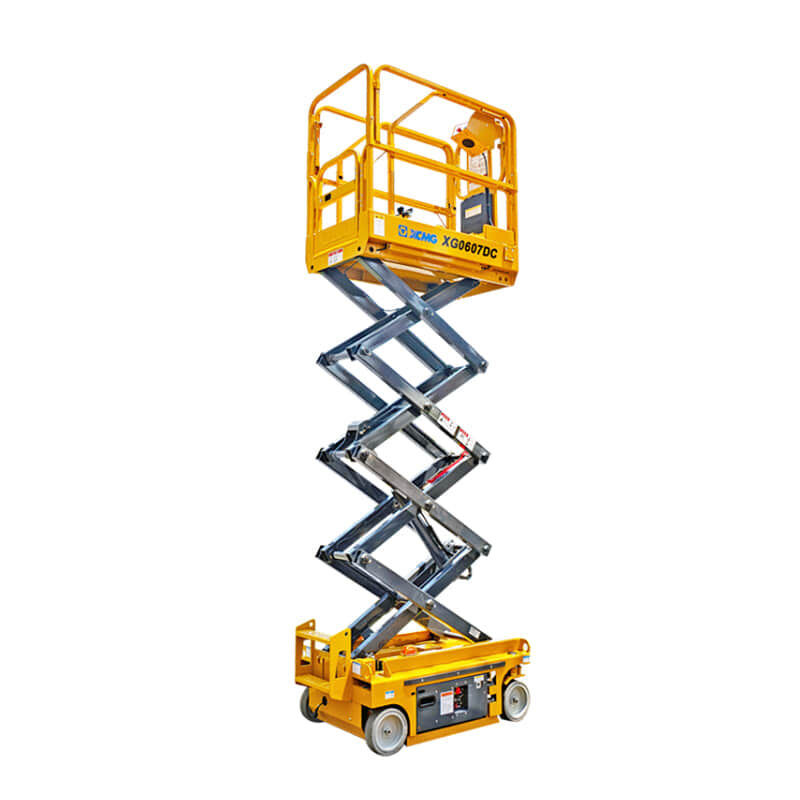
As an operations manager overseeing warehouse and maintenance teams for over 15 years, I’ve tested nearly every type of lifting equipment on the market. None have proven as indispensable as the scissor work platform. In warehouses bustling with inventory and maintenance crews tackling everything from ceiling repairs to equipment checks, the scissor work platform has become our most reliable asset. Unlike ladders that wobble, boom lifts that struggle in tight spaces, or scaffolding that takes hours to set up, the scissor work platform delivers exactly what our teams need: stability, efficiency, and safety in one compact package. Over the years, I’ve watched the scissor work platform transform our daily operations—reducing downtime, minimizing accidents, and making even the most challenging elevated tasks manageable. In this guide, I’ll explain why the scissor work platform has become a staple in our industry, focusing on its features that solve real-world problems, its manufacturing advantages that ensure reliability, and why no warehouse or maintenance team should be without a scissor work platform.
Key Features of Scissor Work Platforms That Drive Popularity
The popularity of the scissor work platform in warehousing and maintenance stems from features specifically designed to address the unique challenges of these environments.
The most critical feature is its stable, rectangular platform—far larger than what you’ll find on boom lifts. This design gives the scissor work platform a distinct advantage when our teams need to carry tools, parts, or even small inventory items while working at height. In our warehouse, for example, stockers use the scissor work platform to rest entire boxes of merchandise while restocking upper shelves, eliminating the need for dangerous balancing acts. The platform’s guardrails, typically 42 inches high, add an extra layer of security that ladders can never match, preventing slips and falls even during sudden movements.
Vertical lift capability is another defining feature that makes the scissor work platform ideal for our needs. Unlike articulating booms that extend horizontally, the scissor work platform moves straight up and down, which is perfect for navigating the narrow aisles of our warehouse. We can position a scissor work platform between racking units with just inches to spare, then raise it 20 feet to reach the top shelves—something no boom lift could do without risking damage to inventory. This vertical movement also makes the scissor work platform more energy-efficient, as it doesn’t waste power on horizontal extension, a big plus for our electric models that operate all day on a single charge.
Compact storage is a game-changer for facilities like ours with limited space. When fully lowered, most scissor work platform models stand less than 6 feet tall and can be rolled through standard doorways, allowing us to store multiple scissor work platforms in a single closet. Compare that to scaffolding, which requires a dedicated storage area and hours of assembly, or large boom lifts that need entire bays—the scissor work platform’s small footprint frees up valuable floor space for inventory and operations. During peak seasons when our warehouse is packed, being able to tuck a scissor work platform into a corner until needed is invaluable.
Weight capacity is where the scissor work platform truly outperforms alternatives. Our standard scissor work platform handles up to 1,000 pounds, easily supporting two workers plus their tools, parts, and materials. This means our maintenance crew can repair a ceiling light fixture while carrying a new bulb, ladder, and wiring supplies—all safely on the platform. In contrast, ladders have strict weight limits and no space for tools, forcing workers to make multiple trips up and down. The scissor work platform’s capacity reduces task time by 50% or more in our experience, a critical efficiency gain during busy periods.
User-friendly controls make the scissor work platform accessible to every team member, regardless of experience. Most models feature simple toggle switches or joysticks labeled “up,” “down,” and “move,” with emergency stop buttons prominently displayed. New hires can operate a scissor work platform safely after just 15 minutes of training, unlike complex boom lifts that require certification. This ease of use ensures we never have to wait for a specialized operator—any team member can grab a scissor work platform and get the job done, keeping operations flowing smoothly.
Manufacturing Advantages That Make Scissor Work Platforms Reliable Workhorses
The scissor work platform’s reputation in warehousing and maintenance is built on manufacturing practices that prioritize durability and functionality.
High-grade steel construction is the foundation—every critical component of our scissor work platform, from the lifting arms to the platform frame, uses reinforced steel designed to withstand constant use. Our oldest scissor work platform, purchased over a decade ago, still operates daily with minimal repairs, a testament to how manufacturers select materials that resist wear from frequent lifting and lowering. The steel is also treated with anti-corrosion coatings, preventing rust from warehouse humidity or cleaning chemicals—a common issue with cheaper equipment.
Hydraulic systems in modern scissor work platforms are engineered for precision and longevity. Unlike older models that jerked during elevation, today’s scissor work platform uses sealed hydraulic cylinders with precision valves that ensure smooth, steady movement. This not only improves safety by preventing sudden drops but also reduces noise—important in our warehouse where excessive noise disrupts communication. Manufacturers also place hydraulic lines within the scissor arms, protecting them from damage during movement through tight spaces. In 15 years, we’ve only replaced hydraulic components on one scissor work platform, and that was after a forklift accidentally struck it—further proof of their durability.
Electric powertrains, now standard in most scissor work platforms, offer significant advantages over gas or diesel models. Our electric scissor work platform produces zero emissions, making it safe for indoor use without ventilation concerns—critical in our enclosed warehouse. They’re also much quieter than fuel-powered alternatives, allowing maintenance work to continue during normal operating hours without disturbing warehouse staff. The batteries in modern scissor work platforms last 8-10 hours on a single charge, enough for a full shift, and recharge overnight using standard outlets. This eliminates the need for fuel storage or frequent refueling, simplifying operations and reducing costs.
Safety engineering is integrated into every scissor work platform at the manufacturing stage, not added as an afterthought. Overload sensors prevent the scissor work platform from operating if weight limits are exceeded, a feature that has prevented countless accidents in our facility. Tilt switches disable lifting if the scissor work platform is on an incline greater than 3 degrees, crucial in warehouses where floors can be uneven. Emergency lowering systems, which work even if power fails, ensure workers are never stranded at height. These built-in safety features mean we can trust the scissor work platform to protect our team, reducing liability and giving everyone peace of mind.
Modular design makes repairs and maintenance on the scissor work platform straightforward and cost-effective. Manufacturers design the scissor work platform with standardized components—hydraulic hoses, electrical wiring, and even the scissor arms themselves can be replaced individually without needing to overhaul the entire machine. When a wheel on one of our scissor work platforms wore out last year, our in-house mechanic replaced it in 20 minutes using a standard part. This modularity reduces downtime and keeps repair costs low, important for facilities operating on tight budgets. It also extends the scissor work platform’s lifespan, as we can replace worn parts instead of buying new equipment.
Why Scissor Work Platforms Excel in Warehousing and Maintenance Tasks
In daily warehouse operations, the scissor work platform proves its value in countless ways. Restocking and picking inventory from high shelves is where it shines brightest—our teams can load the scissor work platform with multiple boxes, raise it to the exact shelf height, and organize products without climbing. This has cut restocking time by 40% compared to using ladders, as workers no longer waste time ascending, descending, and repositioning. The scissor work platform also reduces product damage, as items are placed gently rather than dropped from above. During inventory counts, auditors use the scissor work platform to reach barcode scanners to upper racks, ensuring accurate counts without risking falls.
Maintenance crews rely on the scissor work platform for tasks ranging from lighting repairs to HVAC maintenance. Changing ceiling fixtures, which once required setting up scaffolding and taking 2 hours, now takes 20 minutes with a scissor work platform. Our electricians appreciate the stable surface when working with wiring, and the platform’s built-in power outlets (on newer models) let them plug in tools without extension cords. The scissor work platform is also invaluable for inspecting warehouse equipment like conveyor systems—workers can raise it to eye level with moving parts, spot issues, and even make minor repairs without shutting down the entire line.
Space efficiency is critical in our warehouse, where every square foot is used for storage. The scissor work platform’s compact size allows it to operate in aisles as narrow as 8 feet, navigating between pallet racks and shelving units with ease. We often use two scissor work platforms simultaneously in adjacent aisles without congestion—a feat impossible with larger lifts. When not in use, our scissor work platforms roll into a 4x6 foot storage area, leaving valuable space free for inventory. This flexibility makes the scissor work platform far more practical than boom lifts, which require wide turning radii and dedicated storage.
Cost-effectiveness is another reason the scissor work platform dominates in our industry. Compared to boom lifts that cost 3-4 times as much, a quality scissor work platform is an affordable investment that delivers immediate returns. We purchased three scissor work platforms five years ago, and their total cost was less than one boom lift—yet they handle 90% of our elevated tasks. Maintenance costs are similarly low: routine checks, battery replacements, and occasional part swaps are far cheaper than servicing the complex hydraulic systems of boom lifts. For facilities watching their budgets, the scissor work platform offers unmatched value.
Worker satisfaction and retention have improved since we standardized on the scissor work platform. Employees report feeling safer and less fatigued compared to using ladders or scaffolding, which reduces turnover and boosts morale. New hires find the scissor work platform less intimidating than other lifting equipment, making training smoother and reducing onboarding time. In exit interviews, several long-term employees mentioned the scissor work platform as a key factor in their job satisfaction, noting that it makes their daily tasks easier and less stressful. For a manager, seeing your team confident and efficient in their work is priceless—and the scissor work platform plays a big role in that.