
 EN
EN
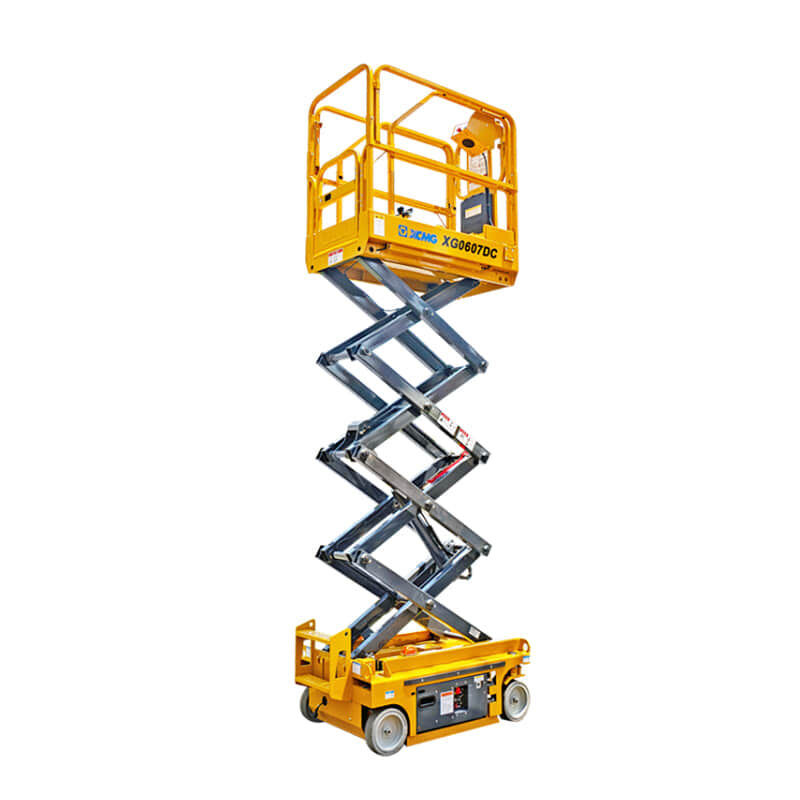
As a facilities manager responsible for a fleet of electric work platforms across five warehouse locations, I’ve learned that proper maintenance isn’t just about fixing problems—it’s about preventing them. An electric work platform is the backbone of our daily operations, handling everything from inventory restocking to ceiling repairs. Over the years, I’ve seen firsthand how a well-maintained electric work platform outperforms and outlasts one that’s neglected. Our oldest electric work platform, purchased 12 years ago, still operates daily because we’ve followed a strict maintenance routine. In contrast, I’ve witnessed competitor facilities replace electric work platforms that fail prematurely due to poor upkeep, costing them thousands in replacement costs. This guide, written from a hands-on operator’s perspective, will outline how to maintain an electric work platform for maximum longevity. We’ll cover essential features that require attention, manufacturing-specific maintenance needs, step-by-step care procedures, and why investing time in your electric work platform today saves money tomorrow.
Key Features of Electric Work Platforms That Require Regular Maintenance
Understanding the critical components of an electric work platform is the first step in effective maintenance.
The battery system is the heart of any electric work platform—and its most maintenance-intensive part. Unlike gas-powered lifts, an electric work platform relies on deep-cycle batteries that require careful charging, watering (in flooded models), and cleaning to prevent corrosion. In our facility, we’ve found that 70% of electric work platform breakdowns stem from battery issues that could have been avoided with proper care. The battery terminals, in particular, need regular inspection for corrosion, which can disrupt power flow and reduce efficiency.
The hydraulic system is another vital feature of an electric work platform that demands attention. Responsible for lifting and lowering the platform, the hydraulic fluid in an electric work platform acts as both lubricant and coolant. Over time, contaminants like dirt or metal shavings can enter the system, causing wear on pumps and cylinders. We check hydraulic fluid levels and condition weekly on every electric work platform—cloudy or discolored fluid is a clear sign that filtration or replacement is needed. Hydraulic hoses and seals also require inspection for cracks or leaks, as even a small drip can lead to major failures when the electric work platform is under load.
Electric motors and controllers are what set an electric work platform apart from its fuel-powered counterparts—and they have unique maintenance needs. The drive motor and lift motor in an electric work platform are precision instruments that can be damaged by dust, moisture, or overheating. Our team uses compressed air to blow debris from motor vents monthly, preventing overheating during extended use. The controller, which regulates power flow between the battery and motors, is sensitive to voltage spikes—we’ve installed surge protectors on all our electric work platform charging stations to extend controller life.
The platform structure itself, while robust, requires regular checks to ensure safety and functionality. Guardrails, hinges, and latches on an electric work platform take constant abuse from workers loading tools and materials. We inspect these components daily, tightening loose bolts and lubricating hinges to prevent rust. The platform’s non-slip surface can wear down over time, especially in high-traffic areas—we replace worn sections immediately to maintain traction. Casters and wheels on an electric work platform also need attention; loose or damaged wheels can cause instability and strain the drive motor.
Safety systems in an electric work platform are often overlooked during maintenance but are critical for both operation and longevity. Emergency stop buttons, tilt sensors, and overload alarms rely on electrical connections that can corrode or loosen. We test all safety features weekly on each electric work platform, ensuring they respond correctly to inputs. The emergency lowering system, which allows manual descent if power fails, requires monthly operation to prevent hydraulic fluid from stagnating—this simple step has saved us from costly repairs more than once.
Manufacturing-Specific Maintenance Considerations for Electric Work Platforms
The way an electric work platform is built directly influences how it should be maintained.
Modern electric work platforms use sealed electrical systems designed to resist dust and moisture, but this doesn’t mean they’re maintenance-free. Manufacturers typically recommend specific intervals for inspecting wire harnesses for abrasion, as the constant movement of an electric work platform can wear insulation over time. We follow the factory guidelines for our electric work platforms, checking connections at the motor, controller, and battery every 500 hours of operation—this has caught several potential shorts before they caused damage.
Battery technology varies between electric work platform models, and maintenance must adapt accordingly. Flooded lead-acid batteries, common in older electric work platforms, require regular watering to keep plates submerged, while newer sealed AGM batteries need different care. We’ve created separate maintenance logs for each type of electric work platform in our fleet, noting manufacturer specifications for charging voltage, cycle counts, and replacement timelines. Ignoring these differences can cut battery life in half—we learned this the hard way when using the same charging profile for all electric work platforms, resulting in premature failure of our AGM units.
Hydraulic system design in an electric work platform often includes specialized filters and reservoirs that demand factory-approved fluids. Using the wrong hydraulic oil in an electric work platform can damage seals and reduce performance, as manufacturers formulate fluids to work with specific pump designs. We source all replacement fluids directly from the electric work platform manufacturer, even though generic alternatives are cheaper—this has prevented costly hydraulic system rebuilds. The filtration system, including in-line filters and breathers, is also model-specific; we replace these components at exactly the intervals specified in the electric work platform manual.
Structural maintenance depends on the materials used in the electric work platform’s construction. Steel-frame electric work platforms require regular rust prevention, especially in humid warehouse environments, while aluminum models need different corrosion protection. Our steel electric work platforms receive a protective coating every 18 months, focusing on high-stress areas like scissor hinges and pivot points. Aluminum units get a specialized cleaner that removes oxidation without damaging the material. Following these manufacturer-recommended treatments has kept our electric work platforms structurally sound far beyond their expected lifespan.
Control systems in modern electric work platforms often feature diagnostic capabilities that simplify maintenance. Many models have error code displays that pinpoint issues, from low battery charge to motor overheating. We train our team to recognize these codes and perform the recommended troubleshooting steps from the electric work platform manual. This not only speeds up repairs but also prevents unnecessary part replacements—for example, a “lift error” code on one electric work platform led us to a loose connection, not a failed motor, saving us hundreds in parts.
Step-by-Step Maintenance Routine for Electric Work Platform Longevity
Daily maintenance of an electric work platform takes just 10 minutes but prevents most common issues. Start by inspecting the battery: check charge level on the display, look for corrosion on terminals, and ensure cables are tight. For flooded batteries, verify water levels are above the plates but below the fill line. Next, walk around the electric work platform to check for hydraulic leaks—look for wet spots under the unit or on hoses. Test the platform controls by raising and lowering the lift a few feet, listening for unusual noises from motors or hydraulics. Finally, inspect tires and casters for damage, and ensure all safety features function—press the emergency stop button to confirm it halts operation immediately.
Weekly maintenance delves deeper into the electric work platform’s systems. Check hydraulic fluid levels using the dipstick or sight glass, and inspect fluid condition—clear to amber is good, while brown or cloudy means it’s time for a change. Clean battery terminals with a wire brush and apply anti-corrosion treatment to prevent buildup. Lubricate all moving parts as specified in the electric work platform manual—pivot points, scissor arms, and caster bearings typically need grease every 50 hours of use. Test the overload sensor by placing excess weight on the platform (never exceed 110% of capacity) to ensure it disables lifting. Finally, clean the platform surface and guardrails, removing debris that can cause wear or slipping hazards.
Monthly maintenance focuses on extending the electric work platform’s lifespan through preventive care. Inspect all electrical connections, tightening any loose terminals and looking for signs of overheating (discoloration or melted insulation). Use compressed air to clean dust from motor vents and controller boxes—accumulated debris can cause overheating during extended use. Check the condition of hydraulic hoses for cracks, bulges, or fraying, replacing any that show damage. Test the emergency lowering system by disconnecting power and manually lowering the platform—this ensures the system works when needed and circulates hydraulic fluid. Finally, calibrate safety sensors like tilt alarms according to the electric work platform manufacturer’s instructions.
Quarterly maintenance involves more intensive checks that require basic tools. Inspect the platform structure for cracks or bent components, paying special attention to welds and high-stress areas. Check the drive motor and lift motor for excessive play in shafts or unusual noises during operation—these can indicate bearing wear. Test the charging system by monitoring voltage during a full charge cycle, ensuring it reaches the manufacturer’s specified level without overcharging. Inspect all filters (hydraulic, air) and replace them if clogged or at the recommended interval. Finally, rotate tires on mobile electric work platforms to ensure even wear, extending their service life.
Annual maintenance should be performed by a certified technician familiar with your electric work platform model. This includes load testing the platform to verify it handles rated capacity safely, checking hydraulic pressure to ensure proper operation, and performing a battery load test to assess capacity. The technician should also inspect the controller for software updates—many modern electric work platforms can be updated to improve performance or add diagnostic features. We schedule annual maintenance during slow periods to minimize downtime, and we always request a detailed report on the electric work platform’s condition, using this to plan for future repairs or replacements.
Conclusion
Maintaining an electric work platform for longevity isn’t about occasional repairs—it’s about establishing consistent routines that address its unique features and manufacturing design. As someone who’s managed these machines daily for over a decade, I can attest that the time invested in maintenance pays dividends in reduced downtime, lower repair costs, and extended service life. Our electric work platforms, some of which are well past their expected lifespan, continue to perform reliably because we prioritize battery care, hydraulic system maintenance, and regular inspections of safety features.
The key is understanding that an electric work platform has different needs than its gas-powered counterparts—from battery charging protocols to hydraulic fluid specifications. By following manufacturer guidelines and adapting maintenance to your specific electric work platform model, you can avoid the most common causes of failure. Whether it’s daily battery checks, weekly hydraulic inspections, or annual professional servicing, each step contributes to keeping your electric work platform operational for years beyond its warranty period.
For any facility relying on these machines, remember: your electric work platform is an investment, not just a tool. Treating it with consistent, knowledgeable care ensures it remains ready to handle whatever tasks your operation demands. In the end, a well-maintained electric work platform isn’t just more reliable—it’s a reflection of a well-run facility that values efficiency, safety, and long-term planning.