
 EN
EN
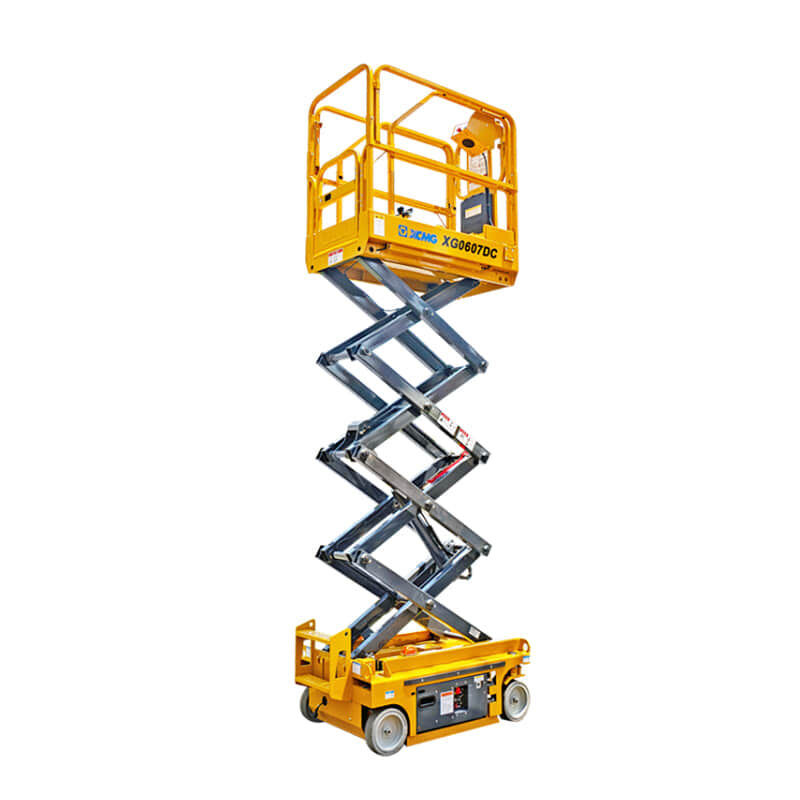
For procurement professionals in industrial sectors, navigating the complexities of aerial work platform pricing is a critical aspect of strategic decision-making. The question of why aerial work platform price varies significantly across different models, brands, and configurations is one that demands careful analysis. Aerial work platform price can range from tens of thousands to hundreds of thousands of dollars, and understanding the drivers behind these variations is essential for making cost-effective purchasing decisions.
As someone responsible for sourcing equipment that balances quality, performance, and budget constraints, I've observed firsthand how aerial work platform price reflects a complex interplay of factors. These include technical specifications, manufacturing processes, safety features, and brand reputation, among others. The aerial work platform price is not merely a number on a quote—it represents the cumulative value of engineering innovation, material quality, and functional capabilities that directly impact operational efficiency and safety.
In this guide, we'll explore the key factors that contribute to fluctuations in aerial work platform price, examining how product features and manufacturing processes influence costs. By the end, procurement professionals will have a comprehensive understanding of why aerial work platform price varies and how to evaluate these variations to select the optimal solution for their organization's needs.
Product Features That Influence Aerial Work Platform Price
The most significant driver of aerial work platform price is the equipment's features and specifications, which are engineered to meet specific operational requirements. These features directly impact manufacturing complexity, material costs, and performance capabilities—all of which are reflected in the aerial work platform price.
Height capacity is a primary factor affecting aerial work platform price. Platforms designed to reach greater heights—from 30 feet up to 180 feet or more—require more robust structural components, powerful hydraulic systems, and advanced stabilization mechanisms. This increased engineering complexity translates to a higher aerial work platform price. For example, a boom lift capable of reaching 120 feet will have a significantly higher aerial work platform price than a scissor lift with a 30-foot reach, due to the reinforced booms, extended hydraulic cylinders, and enhanced safety systems required for extreme heights.
Weight capacity similarly influences aerial work platform price. Platforms designed to carry heavier loads—whether personnel, tools, or materials—require stronger frames, reinforced platforms, and more powerful lifting mechanisms. Aerial work platform price increases with weight capacity because these systems must meet stricter safety standards and endure greater stress during operation. A platform with a 1,000-pound capacity will have a higher aerial work platform price than a 500-pound capacity model of similar height, reflecting the additional material and engineering required.
Power source is another feature that affects aerial work platform price. Electric models, which offer quieter operation and zero emissions, typically have a higher initial aerial work platform price than their diesel counterparts. This is due to the cost of batteries, electric motors, and charging systems. However, diesel-powered platforms, while often having a lower upfront aerial work platform price, may incur higher long-term fuel and maintenance costs. Hybrid models, which combine both systems for versatility, command the highest aerial work platform price due to their complex dual-power technology.
Maneuverability features also contribute to variations in aerial work platform price. Compact models designed for indoor use or tight spaces include specialized steering systems, reduced turning radii, and lightweight materials that increase manufacturing costs. Similarly, rough-terrain platforms with heavy-duty tires, four-wheel drive, and enhanced suspension systems have a higher aerial work platform price than standard models, as these features enable operation in challenging outdoor environments.
Safety features significantly impact aerial work platform price. Modern platforms include advanced systems such as automatic leveling, tilt sensors, overload protection, emergency descent mechanisms, and integrated fall arrest systems. These technologies, while critical for operator safety, add to production costs, resulting in a higher aerial work platform price. Platforms with certification from global safety standards organizations may also have a premium aerial work platform price due to the rigorous testing and compliance requirements involved.
Technological integrations are increasingly influencing aerial work platform price. Models equipped with telematics for remote monitoring, diagnostic systems for predictive maintenance, or IoT connectivity for fleet management command higher prices. These smart features enhance operational efficiency and reduce downtime but require additional software development and hardware integration, which are reflected in the aerial work platform price.
Manufacturing Processes and Production Advantages Affecting Aerial Work Platform Price
Beyond product features, the manufacturing processes and production capabilities of manufacturers play a significant role in determining aerial work platform price. These processes influence efficiency, quality control, and material utilization—factors that directly impact production costs and, consequently, the final aerial work platform price.
Material selection is a foundational aspect of manufacturing that affects aerial work platform price. High-quality materials such as high-strength steel alloys, aerospace-grade aluminum, and durable composite materials enhance platform performance and longevity but come at a higher cost. Manufacturers that prioritize these materials will have a higher aerial work platform price due to increased raw material expenses. Conversely, platforms constructed with standard steel or lower-grade materials may have a lower aerial work platform price but often sacrifice durability and weight efficiency.
Production technology is another key factor in aerial work platform price variations. Manufacturers utilizing advanced manufacturing techniques such as robotic welding, computer numerical control (CNC) machining, and automated assembly lines can achieve higher precision and consistency. While these technologies require significant upfront investment, they reduce labor costs and material waste over time. However, the benefits of these advanced processes are often reflected in a higher aerial work platform price, as manufacturers recoup their technological investments.
Quality control processes also impact aerial work platform price. Rigorous testing protocols—including load testing, stress testing, and environmental durability testing—ensure that platforms meet strict performance standards but add to production time and costs. Manufacturers with comprehensive quality control systems typically have a higher aerial work platform price due to the additional resources invested in ensuring reliability. This premium is often justified by lower failure rates and longer equipment lifespans, which reduce total cost of ownership.
Economies of scale play a significant role in aerial work platform price variations. Large manufacturers producing high volumes of standard platform models can spread fixed costs across more units, resulting in a lower per-unit aerial work platform price. In contrast, smaller manufacturers or those producing custom-built platforms for specialized applications have higher production costs per unit, leading to a higher aerial work platform price. Customization—whether for unique height requirements, specialized attachments, or industry-specific modifications—further increases aerial work platform price due to engineering time, unique parts, and reduced production efficiency.
Supply chain management directly affects aerial work platform price stability and fluctuations. Manufacturers with robust supply chains that secure favorable pricing for components (such as hydraulic systems, motors, and electronics) can offer more competitive aerial work platform prices. Conversely, those reliant on imported components or facing supply chain disruptions may have higher production costs, resulting in a higher aerial work platform price. Global factors such as raw material shortages, transportation costs, and trade regulations can cause significant variations in aerial work platform price across different markets and time periods.
Labor costs contribute to aerial work platform price differences across manufacturing regions. Production facilities in regions with higher labor costs typically have higher manufacturing expenses, which are passed on in the form of a higher aerial work platform price. Conversely, manufacturers with production facilities in regions with lower labor costs may offer a more competitive aerial work platform price, though this is often balanced against factors such as quality control and shipping costs.