
 EN
EN
Introduction
Aerial work, a critical component in numerous industrial sectors, refers to operations performed at elevated heights using specialized equipment to access areas that are not easily reachable from the ground. From construction sites and warehouse maintenance to utility line repairs and facility inspections, aerial work plays an indispensable role in ensuring the efficiency, safety, and productivity of industrial operations. For a procurement professional responsible for sourcing equipment for large-scale industrial projects, understanding the nuances of aerial work is paramount. The right aerial work equipment not only enhances operational capabilities but also minimizes risks, reduces downtime, and optimizes resource allocation. In this guide, we will explore what aerial work entails, the key features of aerial work equipment, the advantages of modern aerial work processes, and why investing in quality aerial work solutions is a strategic decision for industrial enterprises.
Aerial work has evolved significantly over the years, transitioning from basic ladders and scaffolds to sophisticated machinery designed for specific tasks. Today, aerial work encompasses a wide range of activities, each requiring specialized equipment tailored to the job's unique demands. Whether it's installing signage on a high-rise building, trimming trees near power lines, or conducting maintenance on industrial boilers, aerial work ensures that these tasks are completed efficiently and safely. For procurement professionals, selecting the right aerial work equipment involves evaluating factors such as height reach, weight capacity, maneuverability, and safety features—all of which directly impact the success of aerial work operations.
Product Features of Aerial Work Equipment
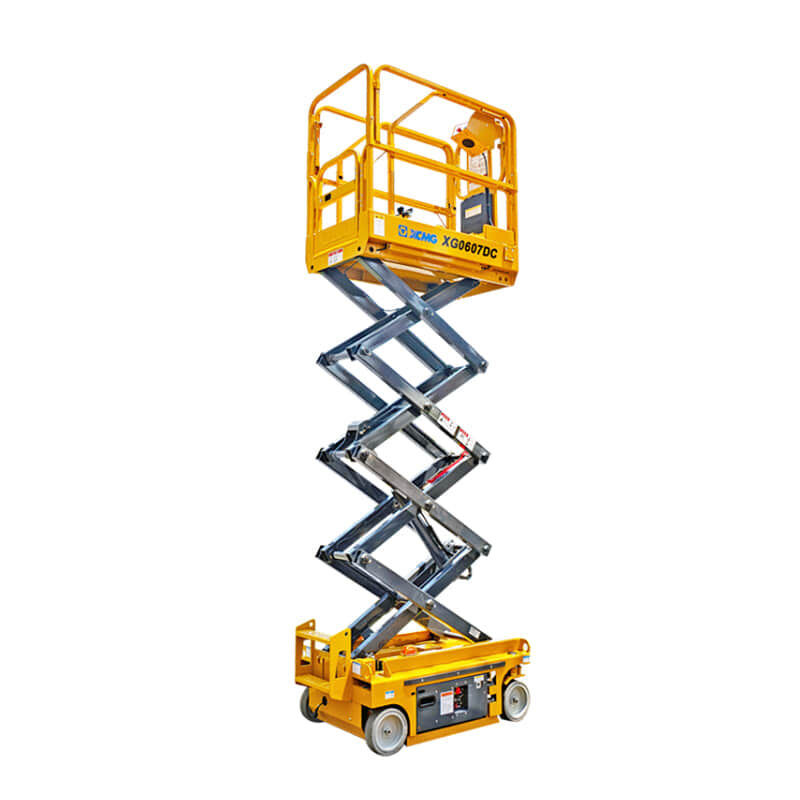
Aerial work equipment comes in various forms, each designed to meet specific aerial work requirements. The most common types include aerial lifts, scissor lifts, boom lifts, cherry pickers, and telescopic handlers. Each of these products boasts features that make them suitable for different aerial work scenarios, ensuring that industrial professionals can find the right tool for any elevated task.
One key feature of modern aerial work equipment is its extended reach capability. Boom lifts, for example, can reach heights ranging from 30 to over 180 feet, making them ideal for aerial work on tall structures such as skyscrapers, communication towers, and industrial chimneys. This extended reach eliminates the need for makeshift solutions like unstable ladders or scaffolding, which pose significant safety risks during aerial work. For procurement teams, investing in equipment with the appropriate reach ensures that all aerial work tasks—whether high or low—can be completed without compromising on safety or efficiency.
Another critical feature is maneuverability. Many aerial work environments, such as crowded construction sites or narrow warehouse aisles, require equipment that can navigate tight spaces. Compact aerial lifts and scissor lifts are designed with this in mind, featuring tight turning radii and lightweight structures that allow operators to move freely without disrupting other ongoing aerial work activities. This maneuverability is especially valuable in facilities where multiple aerial work tasks are performed simultaneously, as it reduces congestion and keeps operations running smoothly.
Safety is a non-negotiable aspect of aerial work, and modern equipment incorporates numerous safety features to protect operators. These include sturdy guardrails, emergency stop buttons, overload sensors, and tilt alarms that prevent the equipment from operating in unsafe conditions. Some advanced aerial work models also come with automatic leveling systems, ensuring stability on uneven surfaces—a common challenge in outdoor aerial work settings. For procurement professionals, prioritizing safety features is not only a legal obligation but also a way to reduce workplace accidents, which can lead to costly downtime and legal liabilities.
Durability is another essential feature of quality aerial work equipment. Industrial environments are often harsh, with exposure to extreme weather, dust, and heavy usage. High-quality aerial work machinery is built with robust materials such as reinforced steel and weather-resistant coatings, ensuring longevity even in demanding conditions. This durability translates to lower maintenance costs and longer equipment lifespans, making it a cost-effective investment for companies relying on consistent aerial work performance.
Finally, versatility is a standout feature of modern aerial work equipment. Many models can be equipped with additional attachments, such as buckets, platforms, or material handling forks, allowing them to perform multiple aerial work tasks with minimal modifications. This versatility reduces the need for purchasing multiple specialized machines, saving storage space and procurement costs. For example, a single boom lift can be used for both personnel transport and material lifting, making it a valuable asset for diverse aerial work operations.
Advantages of Aerial Work Processes
The adoption of structured aerial work processes, supported by advanced equipment, offers numerous advantages to industrial operations. These benefits extend beyond mere efficiency, impacting safety, cost-effectiveness, and overall productivity—key considerations for procurement professionals aiming to maximize return on investment.
One of the primary advantages of modern aerial work processes is enhanced safety. Traditional methods of accessing elevated areas, such as ladders or scaffolding, are prone to accidents due to instability, falls, and structural failures. Aerial work equipment, with its built-in safety features and stable platforms, significantly reduces these risks. For instance, scissor lifts provide a secure, enclosed platform that minimizes the chance of falls during aerial work, while boom lifts offer precise positioning, reducing the need for operators to overreach—one of the leading causes of accidents in elevated work. By prioritizing aerial work safety, companies can lower insurance premiums, avoid workplace injuries, and maintain a positive reputation among employees and clients.
Efficiency is another major benefit of optimized aerial work processes. Aerial work equipment allows operators to reach elevated areas quickly, reducing the time spent setting up and dismantling traditional access systems. For example, a cherry picker can be deployed in minutes, whereas scaffolding may take hours or even days to erect for the same aerial work task. This time savings translates to faster project completion, enabling companies to take on more aerial work assignments and increase revenue. Additionally, the precision offered by modern aerial work equipment ensures that tasks are performed accurately, reducing the need for rework and further boosting efficiency.
Cost-effectiveness is a compelling advantage of investing in quality aerial work solutions. While the initial procurement cost of aerial work equipment may be higher than traditional methods, the long-term savings are substantial. Reduced setup time lowers labor costs, fewer accidents minimize medical and legal expenses, and durable equipment decreases maintenance and replacement costs. Furthermore, versatile aerial work machinery eliminates the need to purchase multiple tools, optimizing resource allocation. For procurement professionals, these cost savings make aerial work equipment a wise investment that aligns with budget constraints and long-term financial goals.
Improved accessibility is another key advantage of aerial work processes. Many industrial facilities have hard-to-reach areas, such as high ceilings, narrow shafts, or overhead machinery, which are challenging to access with conventional methods. Aerial work equipment, such as telescopic boom lifts or spider lifts, can navigate these obstacles, allowing operators to perform aerial work tasks in previously inaccessible locations. This accessibility ensures that maintenance, inspections, and installations are conducted thoroughly, preventing potential issues that could lead to costly breakdowns or safety hazards.
Finally, aerial work processes contribute to better regulatory compliance. Industrial sectors are subject to strict safety regulations governing elevated work, and failure to comply can result in fines, penalties, or project shutdowns. Modern aerial work equipment is designed to meet or exceed these regulations, ensuring that companies adhere to legal requirements. For procurement professionals, selecting compliant aerial work equipment simplifies regulatory reporting and reduces the risk of non-compliance, providing peace of mind and allowing focus on core operational goals.