Use of Road Roller | Compaction Applications & Guide

All Categories
Understanding the Use of Road Roller in Construction

Understanding the Use of Road Roller in Construction

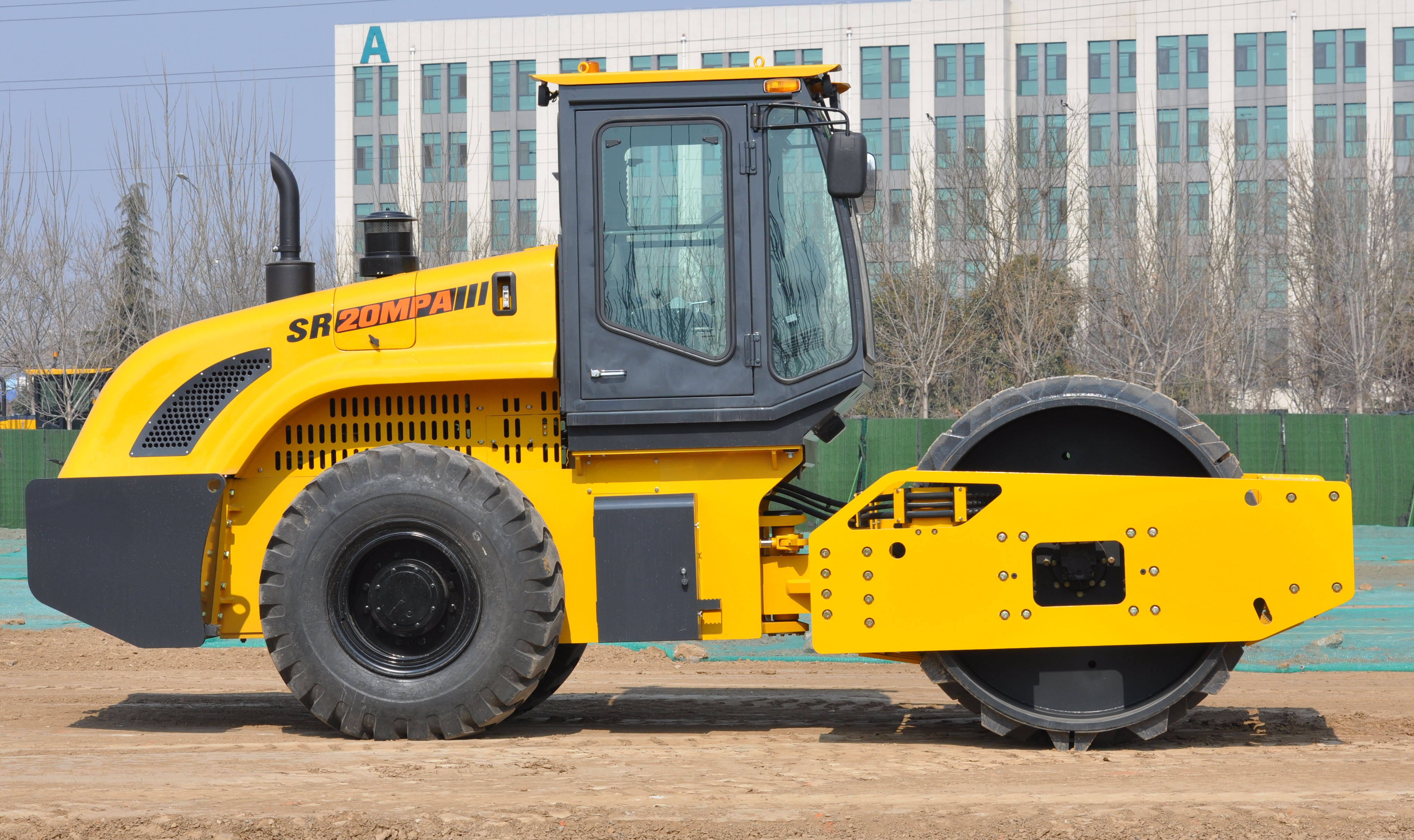
The primary use of road roller is to compress and consolidate materials like soil, gravel, asphalt, and landfill waste to increase their density and stability. The specific use of road roller varies from fine finish rolling on asphalt to deep compaction of earth fills. Proper use of road roller techniques are essential for creating long-lasting, stable surfaces. Learn about the different use of road roller applications to select the right equipment. Our company provides more than just equipment; we provide knowledge and expertise. We educate our clients on the optimal use of road roller equipment for different materials and applications. Understanding that proper technique is as important as the machine itself, we support our customers with training resources and operational best practices. This holistic approach ensures that our clients achieve the best possible results from their investment in our machinery, leading to successful project outcomes and enhanced reputations for quality.
Get A Quote

related products

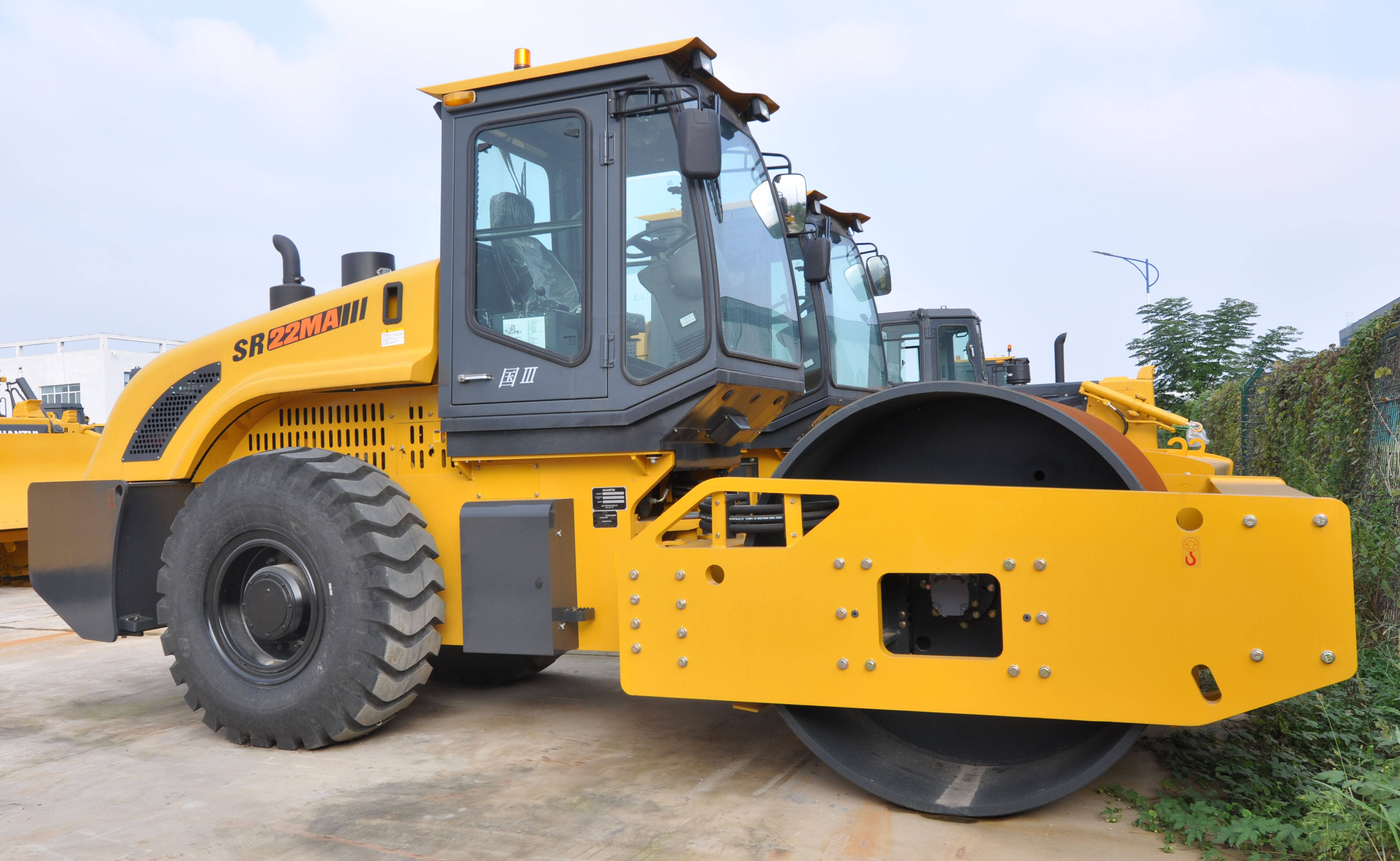
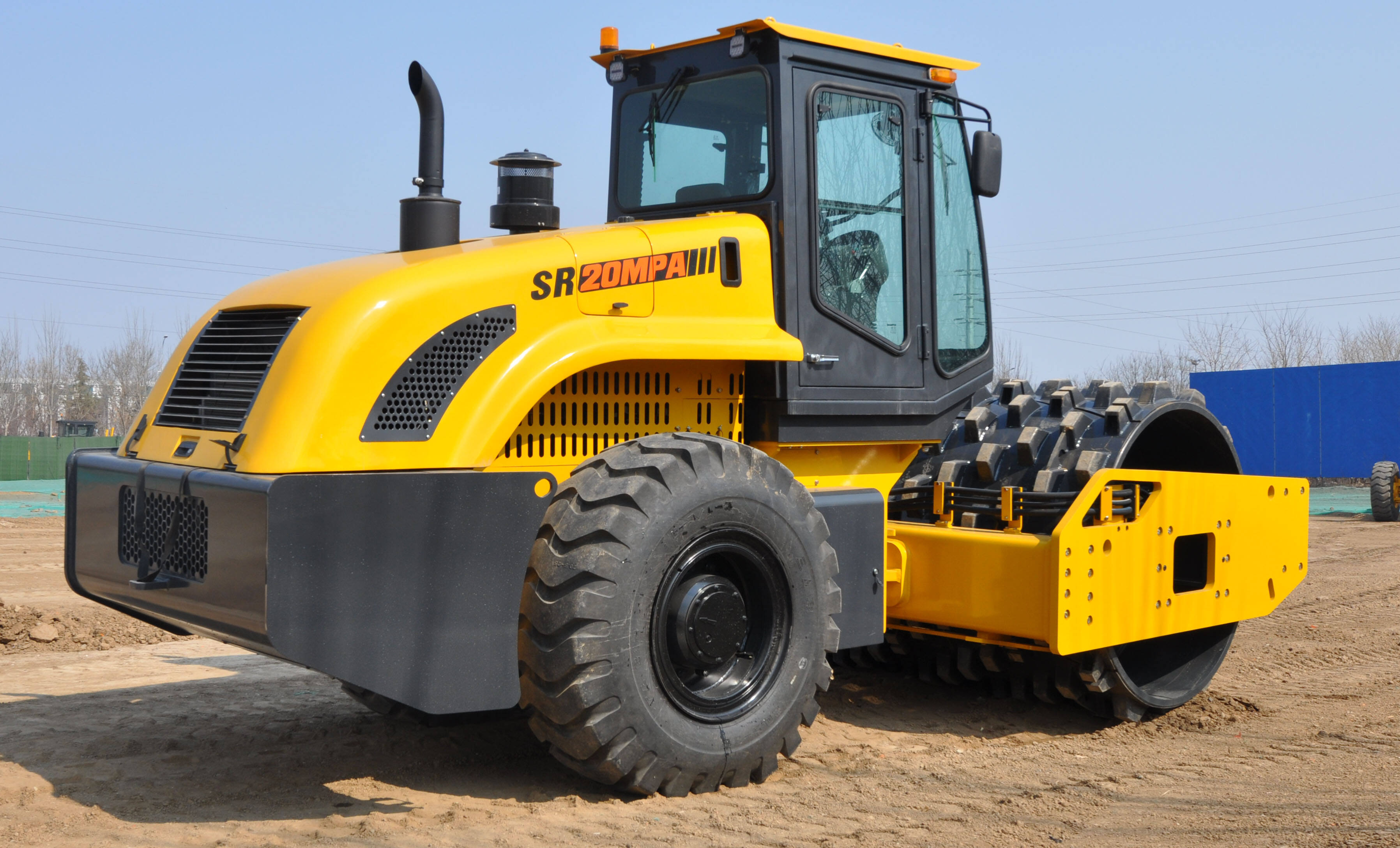
The primary use of a road roller is to compact various construction materials, thereby increasing their density and structural integrity for building foundations and paved surfaces. Its applications are diverse: In road construction, it is used to compact the soil subgrade, the aggregate base layers, and the asphalt concrete surface course. For earthworks and embankments, heavy rollers compact soil and rock fill for dams, railways, and building foundations. Specific types are used for specialized tasks: smooth drum vibratory rollers for asphalt, padfoot rollers for cohesive soils, and pneumatic rollers for initial compaction and sealing of asphalt surfaces. The roller achieves compaction by applying a combination of static pressure (from its weight) and dynamic force (from vibration or oscillation). This process eliminates air voids, enhances bearing capacity, reduces water permeability, and prevents future settlement, ensuring the long-term stability and durability of the constructed

The Use of a Road Roller encompasses a sophisticated process critical to modern construction, and its effectiveness is governed by specific engineered features. To understand its application, one must focus on the technology that enables its core function: Vibration with adjustable settings, the Static Linear Pressure it exerts, and the Control Systems that ensure precision and quality.

The fundamental principle behind the road roller's use is Vibration. This is not a simple shaking; it is a precisely engineered application of dynamic force. Inside the drum, an eccentric mass rotates at high speed, generating a powerful centrifugal force that is transferred into the ground as a series of rapid impacts. This "High Frequency Vibration" is key. Each impact temporarily reduces the friction between soil or asphalt particles, allowing them to move under the influence of the roller's weight and rearrange themselves into a denser configuration. The ability to adjust the amplitude—the magnitude of the force—makes the roller versatile. High amplitude is like using a sledgehammer for deep compaction of thick layers, while low amplitude is like a tamper for finishing surfaces without crushing the aggregate. This controlled vibration is what enables the roller to achieve the high density required by engineering specifications efficiently.

Underpinning the dynamic force is the High Static Linear Pressure exerted by the machine's sheer mass. This is the constant, downward force applied by the drum even when it is not vibrating. Think of it as the steady, crushing weight that begins the compaction process. For asphalt, the first pass of a heavy roller with vibration off uses this static pressure to "seat" the mat and begin pushing particles together. In soil compaction, static pressure is crucial for creating a stable surface. The roller's weight determines this pressure, which is why heavier rollers are chosen for larger, more critical projects. The combination of this static pressure with the dynamic impulse of vibration creates a synergistic effect that is far more effective than either force alone, enabling the roller to achieve maximum density in the minimum number of passes.

Finally, the modern Use of a Road Roller is defined by its Intelligent Control Systems. It's no longer just about driving back and forth. Features like Automatic Vibration Start/Stop ensure vibration only engages when the roller is moving forward, preventing surface damage when stationary or reversing. Intelligent Water Spray Control automatically applies a fine mist to prevent asphalt from sticking to the drum, ensuring a smooth finish without manual intervention. The culmination of this intelligence is Real-time Compaction Monitoring (if equipped), which uses sensors to measure the achieved density and displays it to the operator on a screen. This turns the compaction process from a subjective art into an objective science, guaranteeing that every square meter of the project meets the required density standard. These control systems ensure the roller is not just used, but is used optimally, efficiently, and with guaranteed results.


related articles

How to Identify the Best Backhoe Loader for Your Business Needs

22

Aug

How to Identify the Best Backhoe Loader for Your Business Needs

As an engineering business manager, I'm constantly faced with the task of selecting the right equipment to ensure the smooth progress of our projects. Among the various heavy machinery options, the ​​backhoe loader plays a crucial role in many of our...
View More
What is a Front Loader Backhoe? Key Features and Benefits

22

Aug

What is a Front Loader Backhoe? Key Features and Benefits

As a skilled operator who has spent countless hours working with heavy machinery, I've come to know the ​​front loader backhoe quite well​​. It's a remarkable piece of equipment that combines the functionality of two essential tools in one mac...
View More
How to Find the Best Excavator for Sale: Top Tips for Buyers

22

Aug

How to Find the Best Excavator for Sale: Top Tips for Buyers

Introduction In today’s competitive construction machinery market, finding the ​​best excavator for sale is more than just comparing prices​​—it is about understanding the technical specifications, structural design, and operational featu...
View More
Why Excavator Prices Vary? Key Factors Affecting Your Investment

22

Aug

Why Excavator Prices Vary? Key Factors Affecting Your Investment

Introduction In the construction and heavy equipment industry, ​​understanding the excavator price is critical for making a sound investment​​. For project managers, contractors, and procurement specialists, the price is not just a figure on a...
View More

Get a Free Quote

Our representative will contact you soon.
Email
Name
Company Name
Message
0/1000

use of road roller

Density Achievement

Density Achievement

 The core function is to remove air voids from materials, increasing their load-bearing capacity and resistance to deformation under traffic or load.
Surface Smoothing

Surface Smoothing

In asphalt applications, it helps to smooth out irregularities and create a uniform, aesthetically pleasing surface texture for the driving public.
Foundation Preparation

Foundation Preparation

Compacts subgrade and base materials to create a stable, uniform platform for subsequent pavement layers or structures, preventing future settlement.
WeChat WeChat
WeChat
TopTop Whatsapp Whatsapp