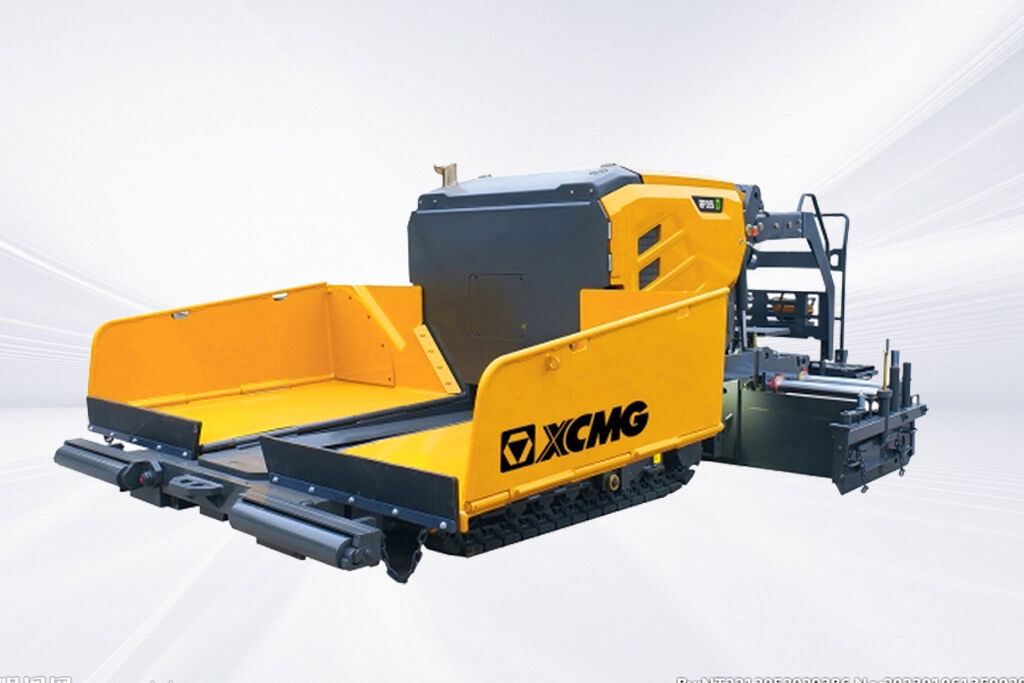
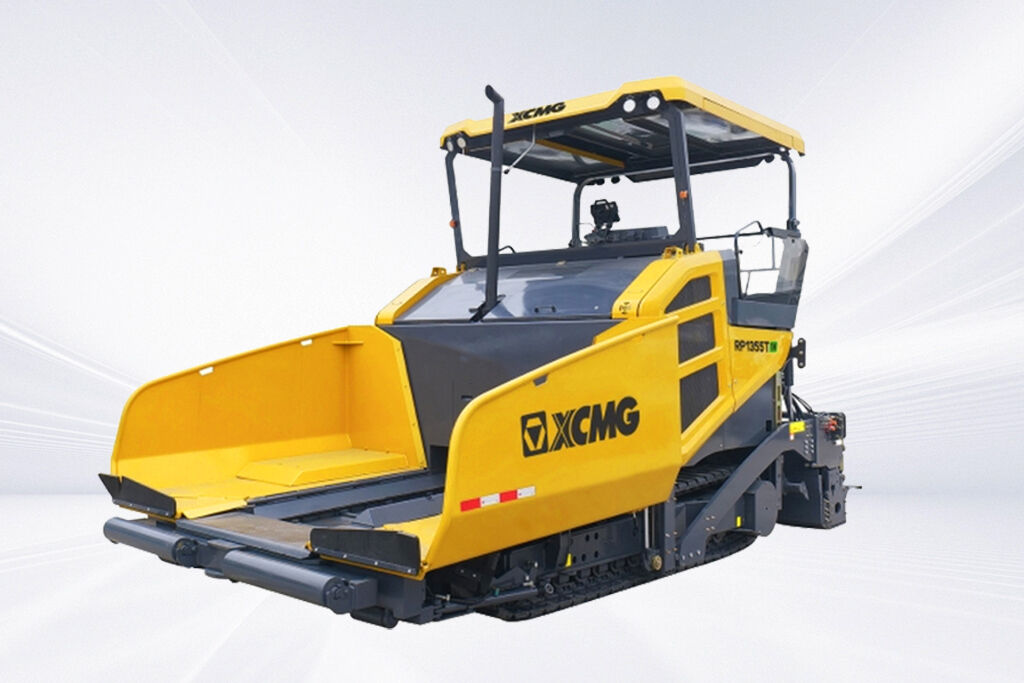
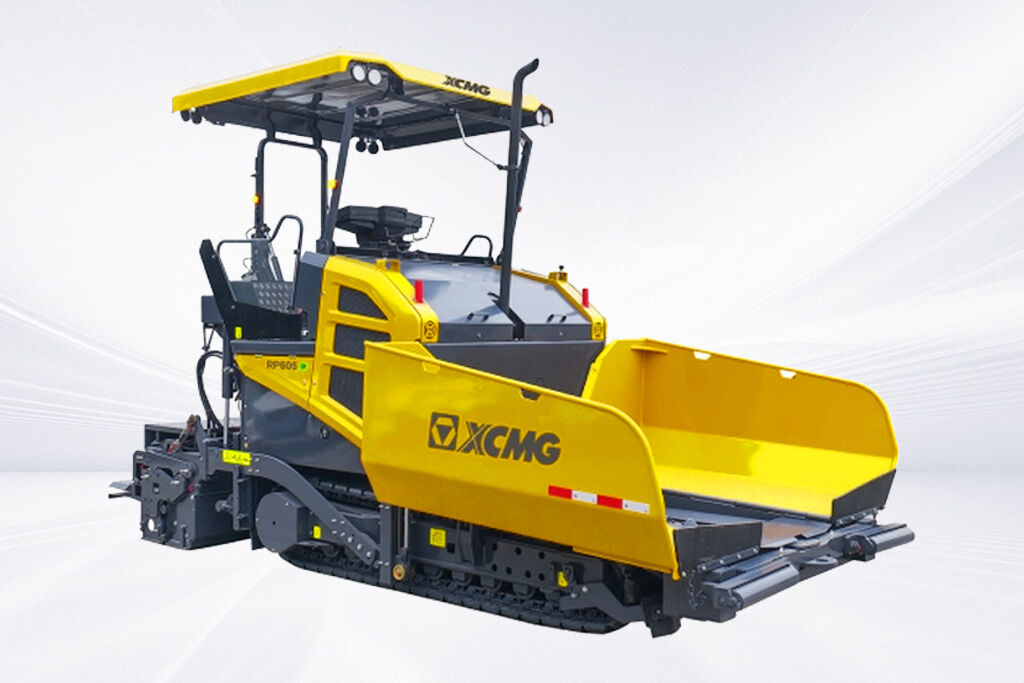
We support businesses of all sizes, including landscaping and specialized hardscape contractors. We offer competitive paver laying machine prices to make this productivity-enhancing technology accessible. We understand the financial constraints of smaller businesses and work to provide equipment that offers a rapid return on investment through labor savings and improved quality. Our goal is to be a partner in the growth of our clients, providing them with the tools they need to compete effectively and profitably.
When evaluating the paver laying machine price, three key features that significantly influence cost and performance are: four-wheel drive (4WD) capability, rubber track design, and centralized automatic lubrication.
1. Four-Wheel Drive (4WD) Capability:
Pavers equipped with four-wheel drive systems offer superior traction and stability, especially when operating on uneven, soft, or sloped terrains. This feature is particularly valuable in regions with loose soil, gravel substrates, or hilly landscapes where wheel slippage can disrupt material flow and compromise the evenness of the paved surface. The enhanced grip provided by 4WD ensures consistent material distribution and better control over the paver’s movement, resulting in a smoother and more reliable paving process. While 4WD systems can increase the overall paver laying machine price, they contribute to improved performance in challenging conditions, reduced downtime, and better final surface quality—benefits that often justify the higher upfront cost for contractors working in demanding environments.
2. Rubber Track Design:
An alternative to traditional steel tracks or wheels, rubber track designs provide a balanced combination of traction, surface protection, and mobility. Rubber tracks reduce ground pressure compared to steel tracks, minimizing damage to sensitive surfaces such as asphalt overlays, existing pavement, or grassy job site access roads. This makes rubber-tracked pavers ideal for urban projects, residential areas, and environments where surface preservation is a priority. Additionally, rubber tracks offer smoother operation and reduced vibration, contributing to operator comfort and equipment longevity. The inclusion of a rubber track system can influence the paver laying machine price, but it delivers distinct advantages in versatility and minimal site impact, especially for contractors working in mixed-surface or environmentally sensitive areas.
3. Centralized Automatic Lubrication:
To ensure continuous and trouble-free operation, many high-end pavers feature centralized automatic lubrication systems. These systems automatically distribute grease to key moving components—such as conveyor bearings, screed arms, and augers—at regular intervals, eliminating the need for manual lubrication and reducing the risk of wear-related downtime. This feature is especially valuable in large-scale or continuous paving operations where equipment reliability is paramount. While it may contribute marginally to the paver laying machine price, automatic lubrication minimizes maintenance intervals, extends component life, and improves overall machine uptime. For contractors focused on efficiency and reduced operational interruptions, this feature offers excellent long-term value.
Other factors impacting paver laying machine price include engine horsepower, screed heating options (electric vs. gas), paving width range, automation level, and brand reputation. Buyers should also consider total cost of ownership, including fuel efficiency, transportability, and after-sales service availability. Ultimately, the paver laying machine price reflects not just the initial purchase cost, but the machine’s ability to deliver consistent performance, adapt to various job site conditions, and contribute to high-quality paving outcomes.

 EN
EN