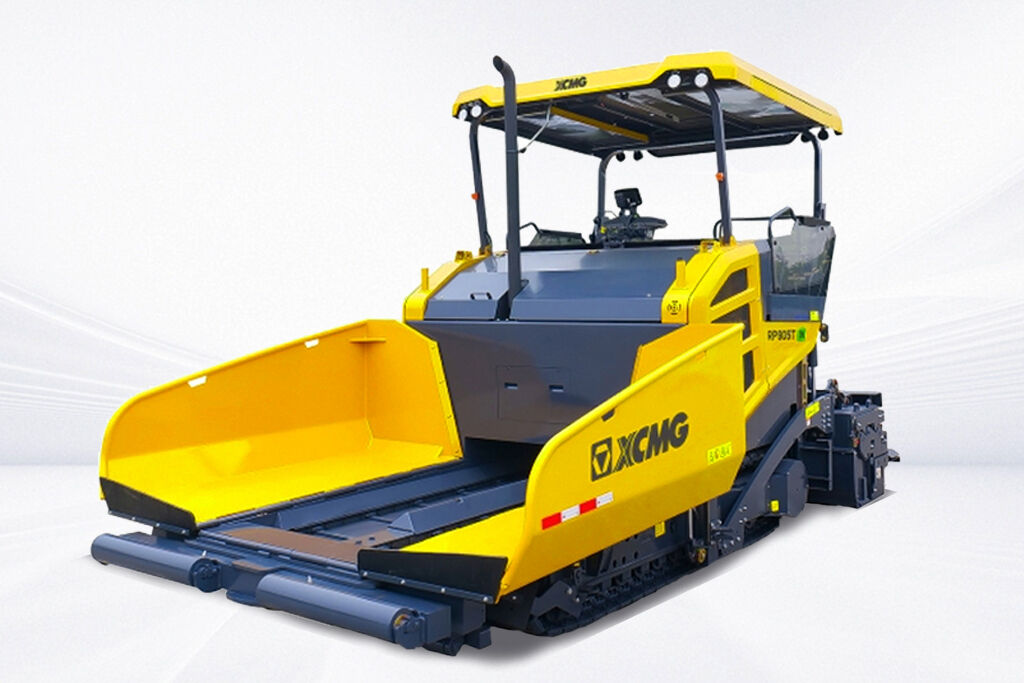
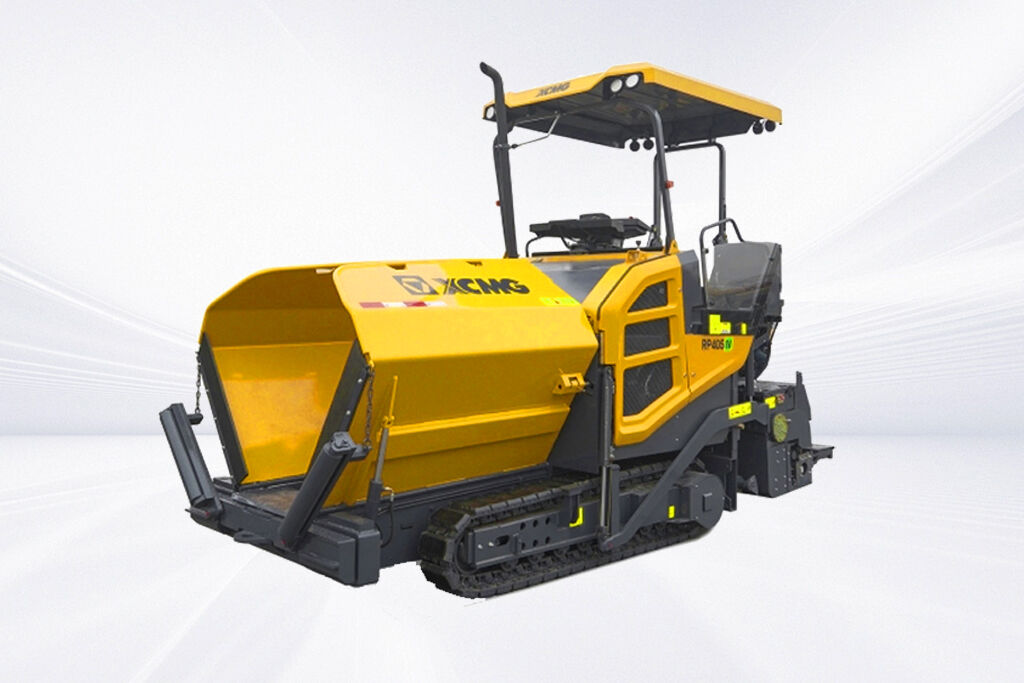
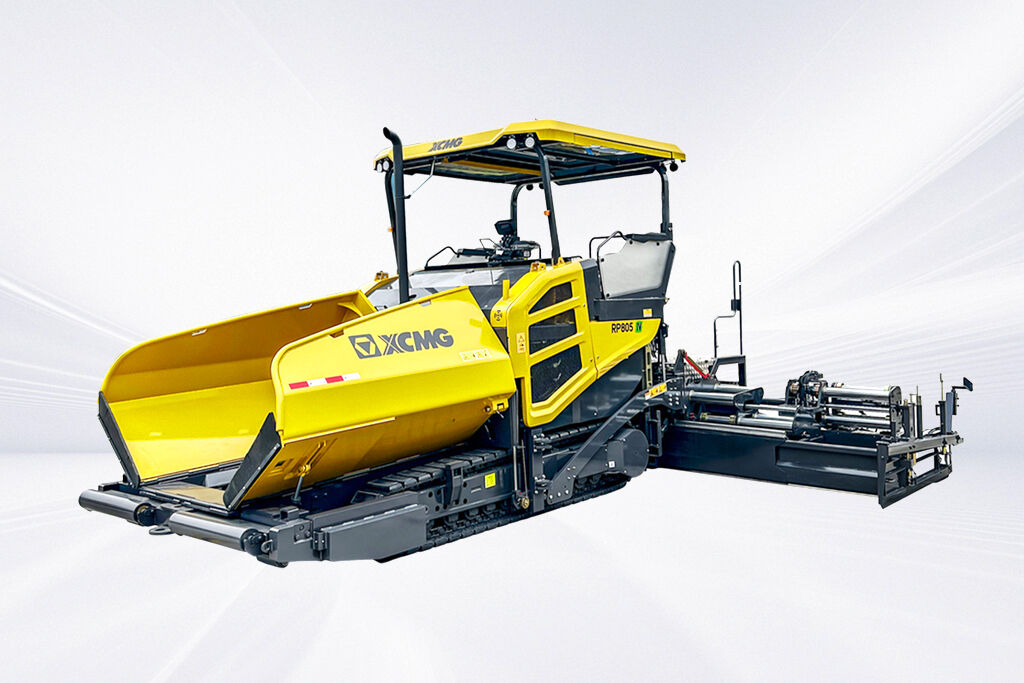
We recognize that advanced technology isn't the only path to success. We supply reliable mechanical paver machines for contractors who value simplicity, durability, and ease of maintenance. These machines represent a proven approach to paving, and we make them accessible to our global clientele. Our company is built on providing choices, and we support the operators of this robust equipment with genuine parts and knowledgeable service, ensuring they remain productive for years to come.
Focusing on the mechanical paver machine, three defining and impactful features are: automatic longitudinal slope control, mechanical screed adjustment, and durable chain-driven material feed system.
1. Automatic Longitudinal Slope Control:
Even in its mechanical form, many mechanical paver machines offer automatic longitudinal slope control, allowing the screed to maintain a consistent slope along the length of the road. This is typically achieved through a simple yet effective mechanical linkage system connected to the tractor or main frame of the paver. The system adjusts the screed angle automatically based on the slope of the tractor or a preset angle, ensuring that the asphalt is laid at the correct incline for proper drainage. This feature is crucial for road safety and longevity, as improper slope can lead to water pooling and surface damage. While not as precise as laser-guided systems, mechanical slope control still delivers reliable results for standard road construction.
2. Mechanical Screed Adjustment:
The screed on a mechanical paver is typically adjusted using mechanical levers, hand cranks, or simple gear systems rather than electronic controls. This allows the operator to set the width and angle of the screed manually, ensuring the asphalt is distributed evenly across the desired surface width. While this method requires more hands-on input from the operator, it provides direct control and is easy to understand and maintain. For contractors who prefer tactile feedback and straightforward operation, mechanical screed adjustment is both functional and cost-effective. It also reduces the risk of electronic malfunctions, making the machine more reliable in remote or tough environments.
3. Durable Chain-Driven Material Feed System:
Mechanical pavers often rely on chain- or gear-driven systems to move asphalt from the hopper to the screed. These mechanical conveyors are built for toughness and longevity, capable of handling continuous operation in rugged conditions. While they may not offer the variable speed or precision of hydraulic or electric systems, they are less prone to breakdowns and easier to repair in the field. The simplicity of the chain-driven mechanism contributes to the overall durability and low-maintenance nature of mechanical pavers, making them a trusted choice for basic paving needs.
Other characteristics of mechanical pavers include simple control layouts, easy-to-replace parts, and lower fuel consumption in some cases. They are ideal for municipalities, small contractors, and developing regions where budget and simplicity are key considerations. Despite their more basic technology, mechanical paver machines can still produce high-quality paved surfaces when operated by skilled professionals, offering a solid balance between cost, performance, and reliability.

 EN
EN