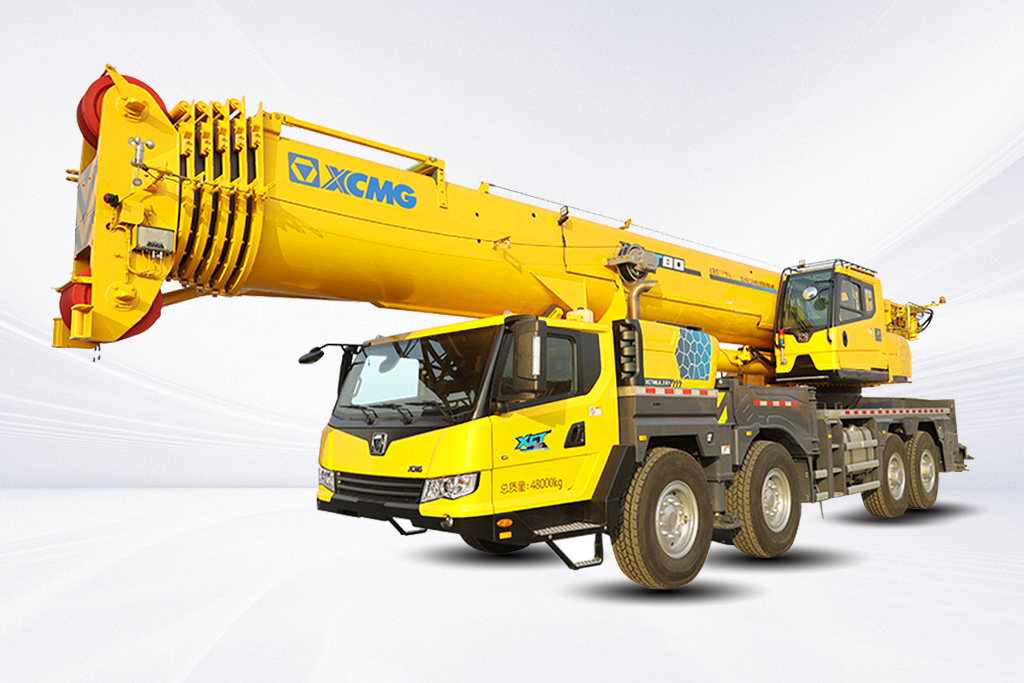
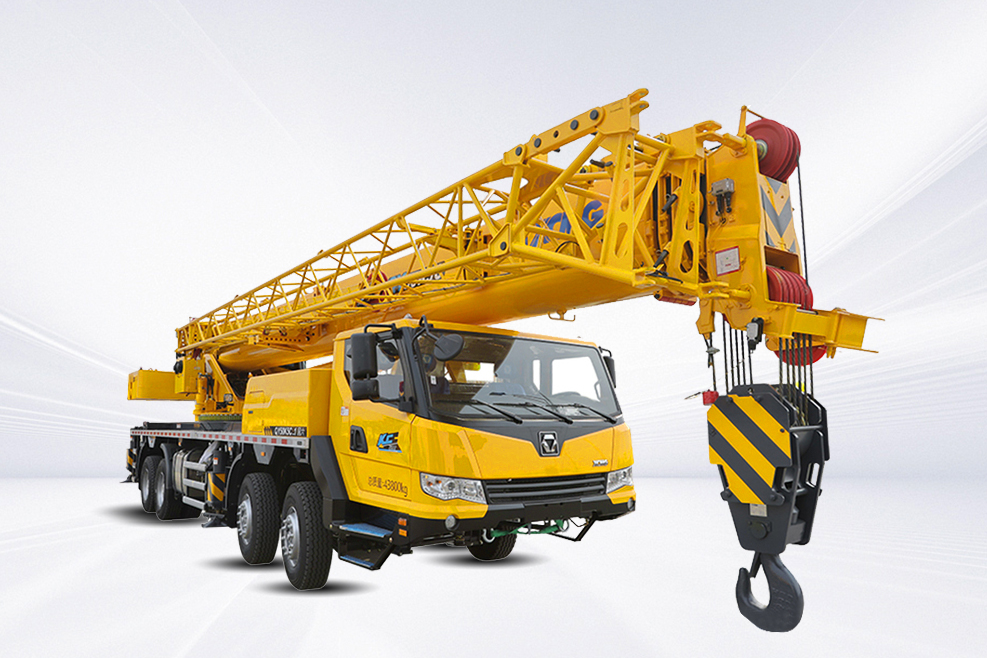
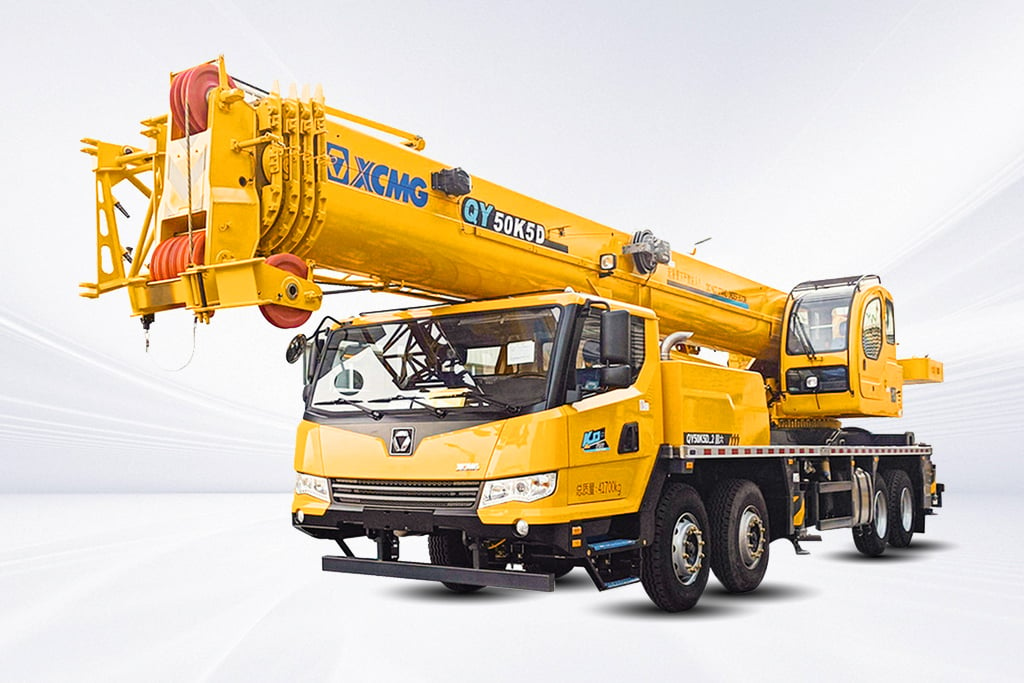
A cargo crane truck is a versatile utility vehicle designed to streamline the process of loading and unloading goods onto its own truck bed or onto nearby ground. It features a mounted crane, often an articulating knuckleboom or a telescopic loader crane, that provides the muscle to handle palletized goods, machinery, construction materials, and various other cargo types. The primary advantage is self-sufficiency; a single driver/operator can deliver cargo to a site and unload it without relying on forklifts or other material handling equipment already being present. This makes it incredibly efficient for delivery services, warehouse logistics, equipment rental yards, and construction supply. Cargo cranes are generally rated from a few tons to around 10 tons, focusing on practicality and speed rather than extreme capacity. They are equipped with easy-to-use controls, fast-deploying stabilizers, and often a variety of attachments like pallet forks or hooks to handle different load types, maximizing the truck's versatility and productivity.
The heart of the system is the Rapid-Loading Articulating Crane, most commonly a knuckleboom (lorry loader) type. This choice is deliberate: its folding arm design allows it to stow in a very compact space, minimizing the loss of precious cargo bed length. More importantly, its articulation provides unparalleled flexibility for loading and unloading. The operator can easily reach over the truck's cab to access the front of the bed, curl the boom to pick a pallet from the street-side curb, or precisely place a load directly onto a receiving dock. The crane features full 360-degree rotation, ensuring every square inch of the truck bed and the immediate surrounding area is accessible. A telescoping section within the boom provides additional reach when needed. For added versatility, these cranes are equipped with quick-change attachments, most notably Pallet Forks, which allow for the handling of standard palletized goods with ease and efficiency, transforming the crane into a mobile forklift.
The Truck itself is an Optimized Carrier and Payload Management platform. The chassis and body are selected to complement the crane. Considerations include the weight of the crane, which deducts from the truck's legal payload capacity, and its physical size, which affects cargo space. The truck body might be a flatbed, a van body with a large rear door, or a dropside platform, all chosen to allow the crane unobstructed access to the cargo. The placement of the crane on the chassis (behind the cab, mid-mount, or rear-mount) is a critical design decision that affects weight distribution, driving stability, and loading reach. The goal is to achieve a balance that allows the truck to carry a maximum legal payload while still being equipped with a crane powerful enough to handle that payload efficiently.
Finally, Operator-Centric Efficiency and Safety Features make the system viable for all-day, every-day use. Speed is money in delivery, so these cranes are designed for Quick Transfer Between Sites and fast setup. Stabilizers (often simpler H-style or X-style) deploy in seconds to provide a stable lifting base. Operation is simplified through intuitive Pendant Control from a wireless remote, allowing the operator to stand in the best position to see both the load and its target placement area. The controls provide smooth, proportional movement for careful handling of fragile goods. Despite the focus on speed, safety is not compromised. A Moment Limiter is standard equipment, preventing the operator from accidentally overloading the crane. Visual and audible alarms warn of unsafe conditions. This combination of fast operation, intuitive control, and built-in safety protects the driver, the cargo, and the public, ensuring the cargo crane truck is a productive and reliable asset.