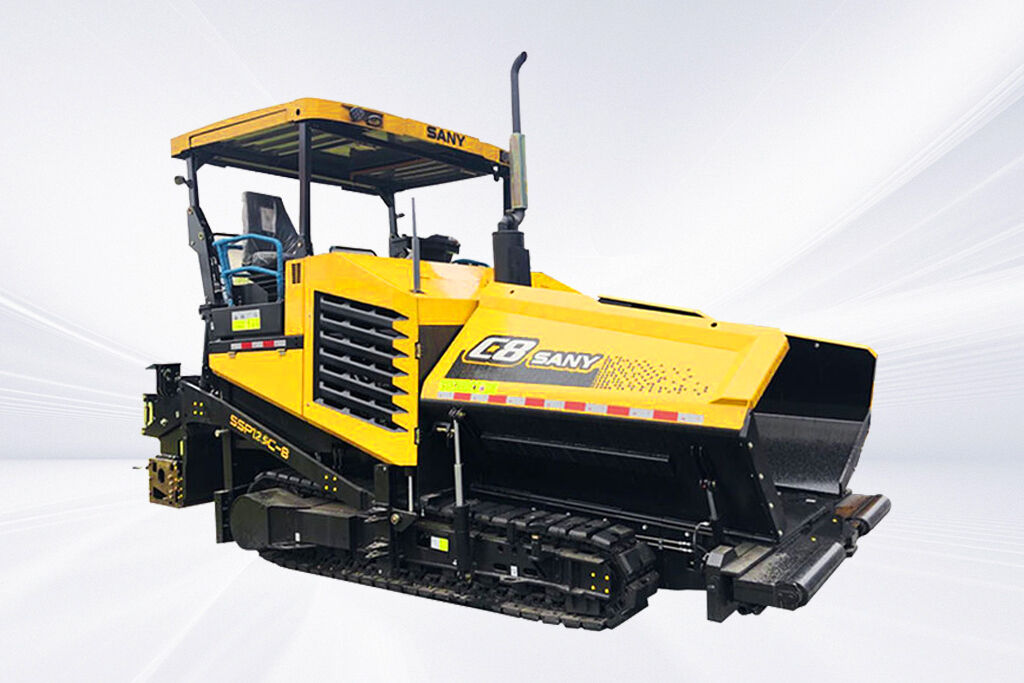
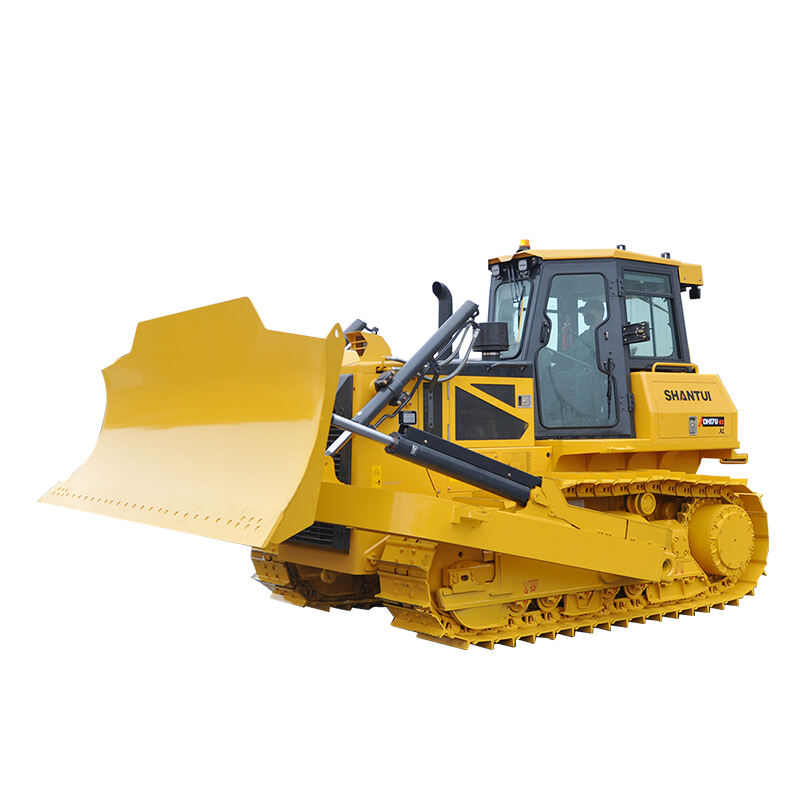
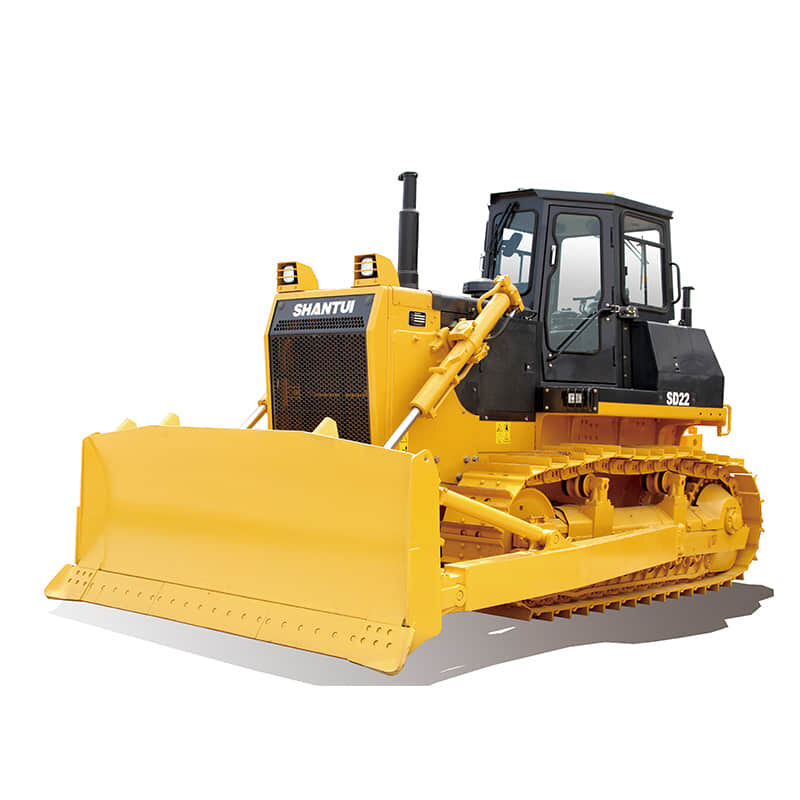
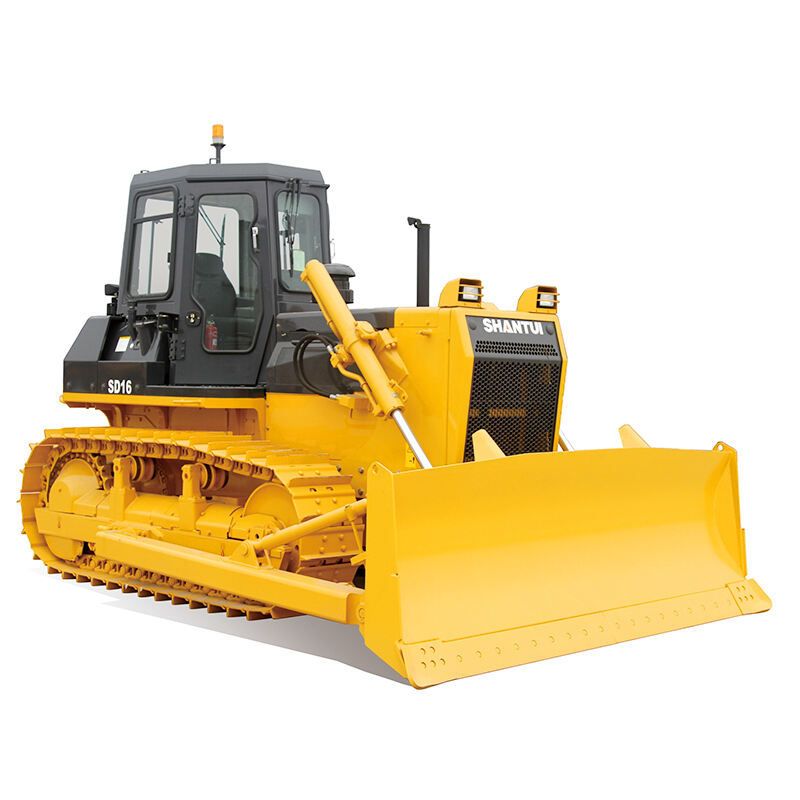
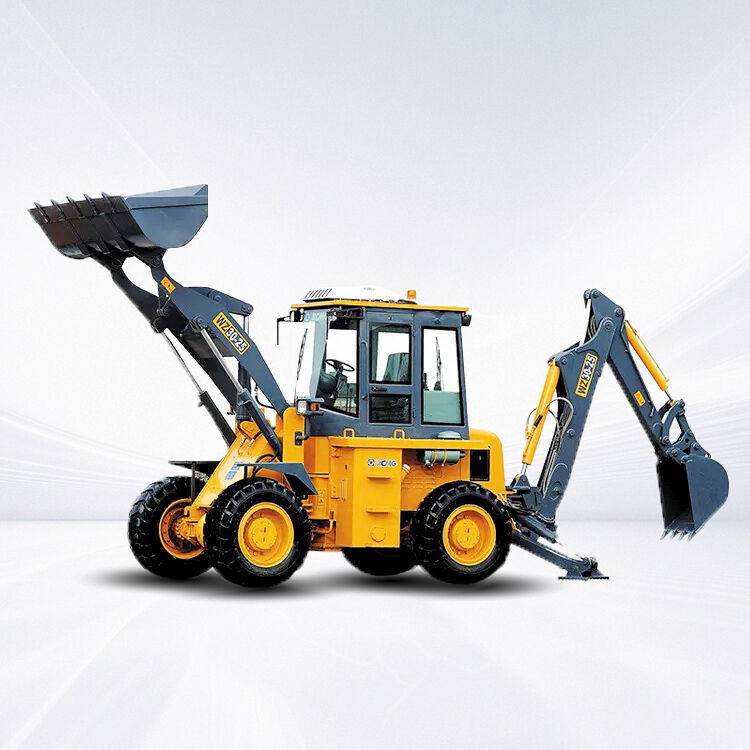
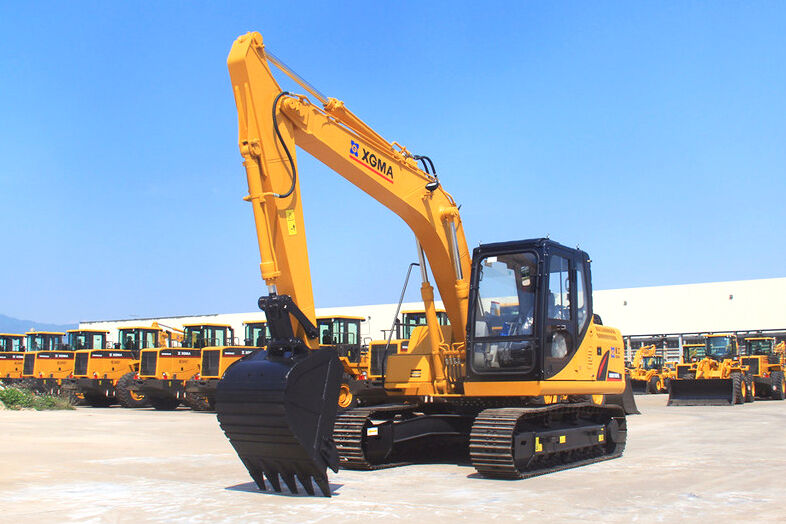
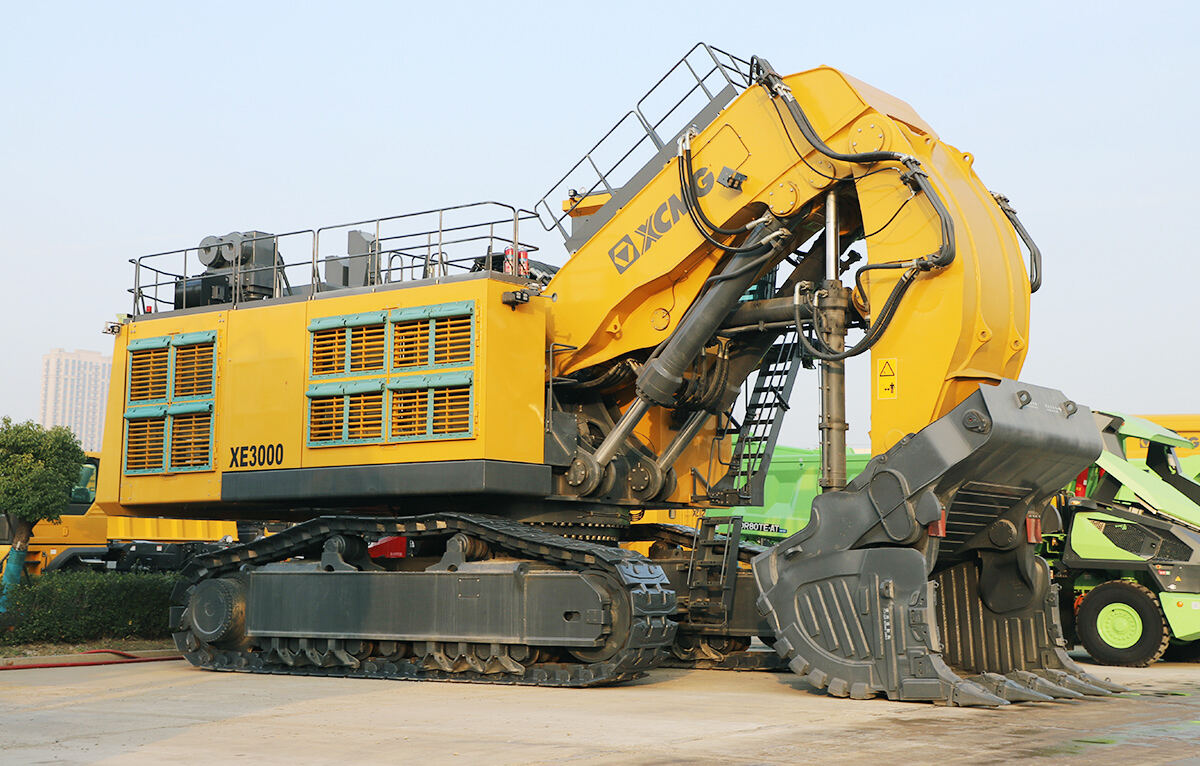
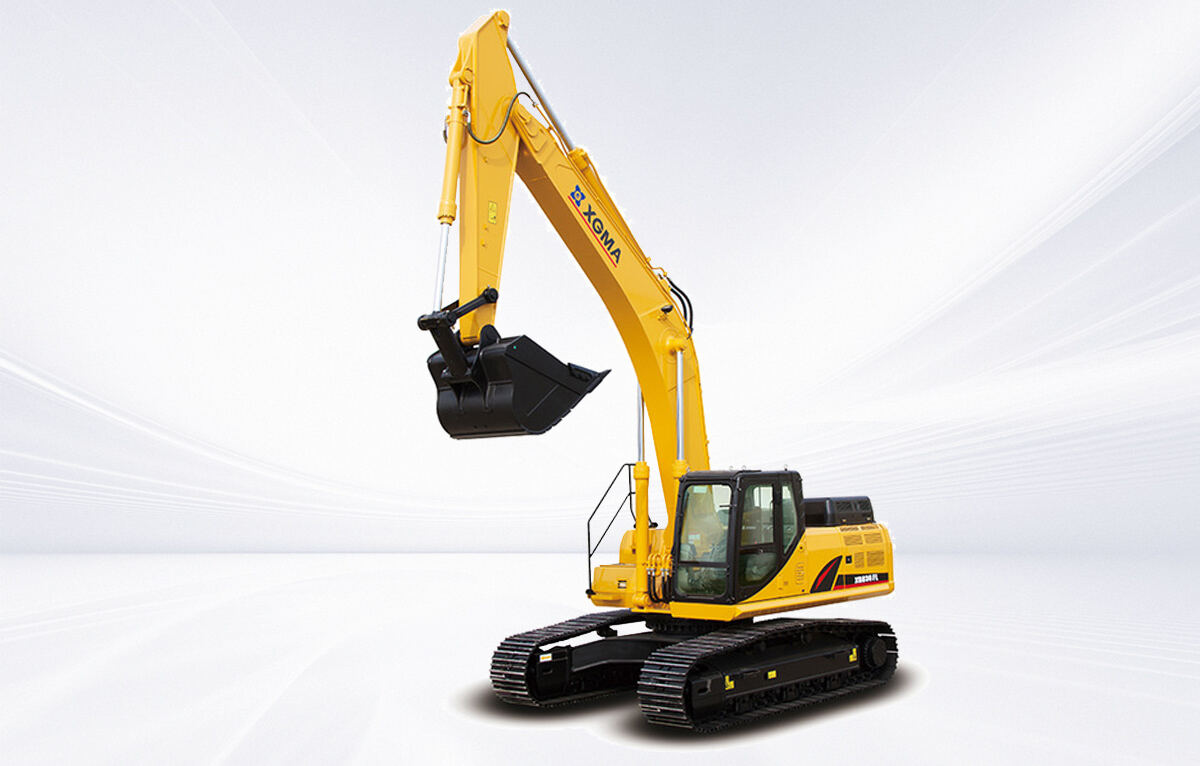
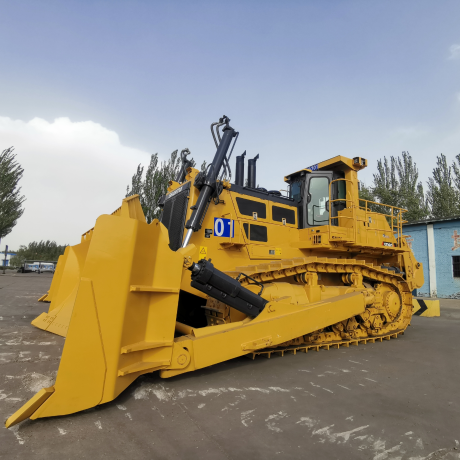
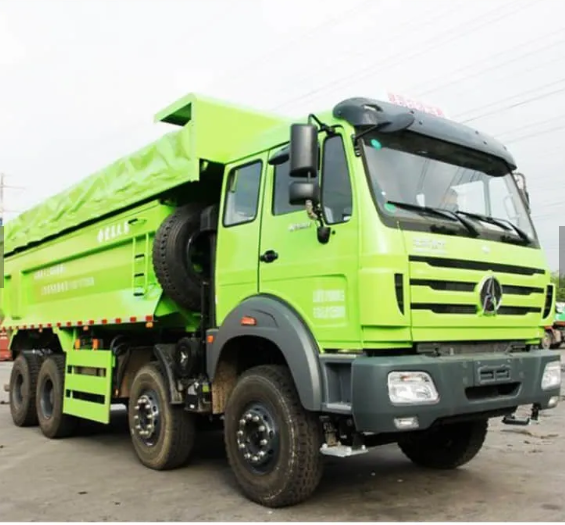
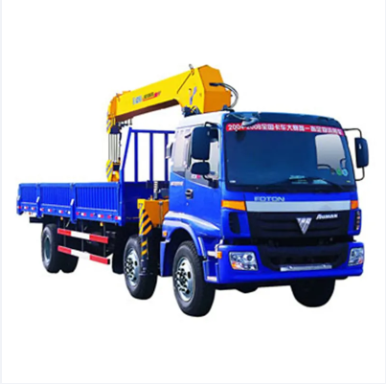
Our company is a cornerstone supplier for the infrastructure development sector. We provide the essential road paving equipment that builds and maintains highways, city streets, and airports. Our product range is selected to promote efficiency, quality, and operator safety. Operating internationally, we are positioned to support both large-scale public works projects and private contracting firms, providing them with the reliable machinery and expert support needed to excel in a competitive market.
When analyzing road paving equipment, three highly influential and commonly integrated features stand out: ultrasonic sensor control, automatic grade control, and material distribution uniformity systems. These technologies directly impact the precision, efficiency, and quality of the paving process.
1. Ultrasonic Sensor Control:
Ultrasonic sensor control is a key technology used in modern road paving equipment to maintain consistent material flow and layer thickness. These sensors are strategically placed to monitor the distance between the screed and the surface below or the height of the material being laid. By emitting ultrasonic waves and measuring the reflection time, the system can detect variations in height or levelness in real time. This data is then used to automatically adjust the screed position, ensuring that the asphalt or concrete is laid at a uniform thickness across the entire paving width. The benefit of this feature is a significant reduction in manual intervention, fewer errors, and a smoother final surface. It is especially useful when working on large, open roadways where maintaining consistency over long distances is critical.
2. Automatic Grade Control:
Another critical feature is automatic grade control, which ensures that the road surface is laid at the correct slope and elevation according to the project design. This system often utilizes laser-guided, GPS-based, or stringless technology to continuously monitor the screed’s position relative to the desired grade. The system then automatically adjusts the screed angle and height to maintain the correct incline or decline. Proper grading is essential not only for structural integrity but also for effective water drainage, which prevents pooling and extends the lifespan of the road. By automating this previously manual and time-consuming task, contractors can achieve higher precision, reduce rework, and accelerate project delivery without compromising on quality.
3. Material Distribution Uniformity:
Ensuring that asphalt or concrete is distributed evenly across the paving width is vital for achieving a consistent and durable surface. Advanced road paving equipment incorporates vibration-assisted conveyors, flow gates, and variable-speed augers to manage the distribution of material from the hopper to the screed. These systems work together to maintain a uniform material flow, preventing segregation, uneven compaction, or thin and thick spots. The result is a smoother mat that requires less finishing work and is less prone to cracks or deformations over time. Uniform material distribution also contributes to better compaction by the rollers that follow, further enhancing the strength and durability of the pavement.
In addition to these three features, road paving equipment may also include automated steering assistance, telematics for remote diagnostics, multi-width screed options, and environmentally friendly emission controls. Contractors should evaluate their specific project needs—such as road type, climate conditions, and budget—when selecting the appropriate equipment. Overall, road paving equipment equipped with advanced control and distribution systems leads to faster construction, higher-quality outcomes, and increased cost-efficiency for infrastructure projects of all sizes.

 EN
EN