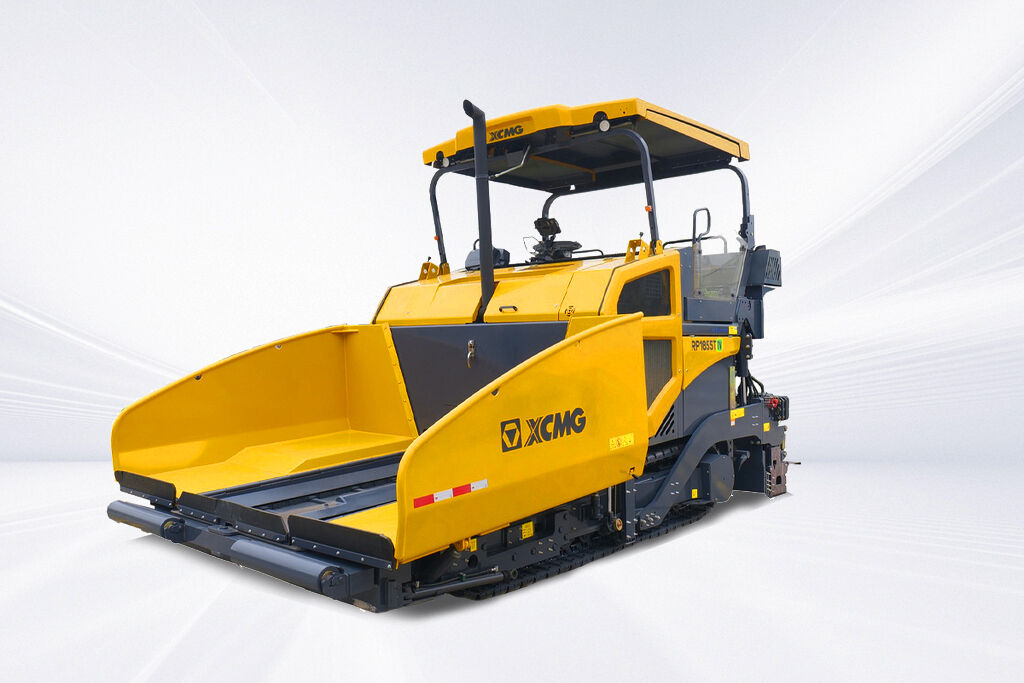
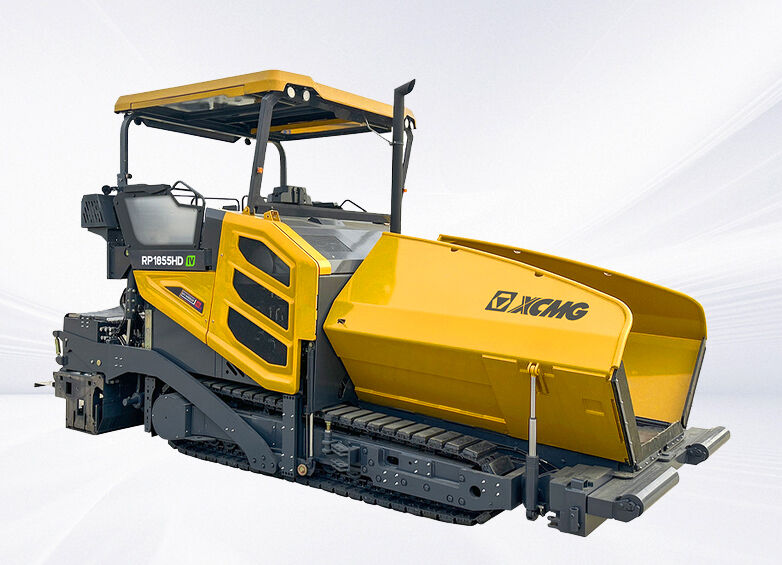
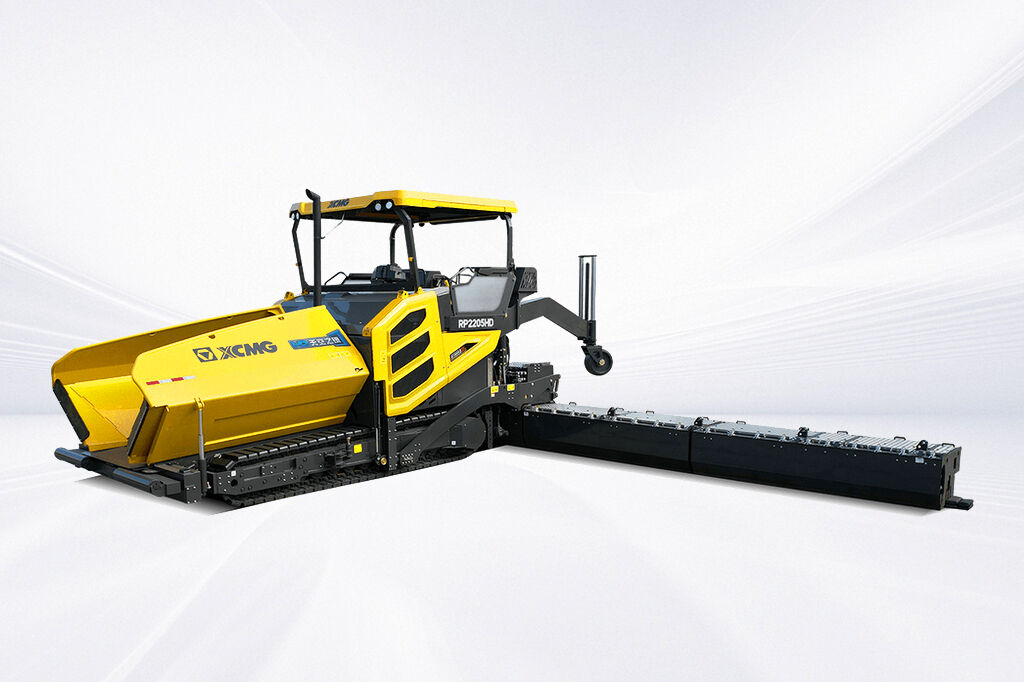
We specialize in providing the complete suite of machinery required for asphalt road construction. Our expertise in asphalt paving equipment is built on a deep understanding of the process and the technology involved. We source and supply equipment that helps our clients achieve the density, smoothness, and longevity required for high-quality asphalt pavements. Our global trading operations ensure that contractors everywhere have access to the best tools for the job, backed by our commitment to support and service.
Focusing on asphalt paving equipment, three essential features stand out due to their critical influence on performance, quality, and efficiency: high-precision leveling system, asphalt material temperature monitoring, and automatic grade and slope control.
1. High-Precision Leveling System:
At the heart of quality asphalt paving lies the high-precision leveling system, which ensures the material is distributed evenly and at the correct thickness. This system typically involves advanced sensors and automated screed controls that continuously monitor and adjust the height and angle of the screed. By maintaining a consistent paving depth across the entire surface, the leveling system helps achieve a uniform mat that will compact properly and resist cracking or rutting. The precision offered by this system is especially important for high-traffic roads, airports, and industrial zones where surface irregularities can lead to safety hazards and increased maintenance costs. Contractors relying on high-precision equipment can deliver smoother finishes and achieve specifications with minimal rework.
2. Asphalt Material Temperature Monitoring:
Asphalt must be laid within a specific temperature range to ensure proper compaction and adhesion. Asphalt material temperature monitoring systems are integrated into modern paving equipment to provide real-time data on the asphalt’s temperature as it is being laid. If the asphalt cools too quickly, it becomes difficult to compact, leading to weak spots and reduced durability. By continuously monitoring the temperature, operators can ensure that the material is applied within the optimal range, improving the quality and longevity of the pavement. This feature not only enhances the performance of the asphalt but also reduces the likelihood of costly repairs or premature surface failures.
3. Automatic Grade and Slope Control:
Achieving the correct road geometry is essential for proper drainage and vehicle safety. Automatic grade and slope control systems use laser-guided or GPS-based technologies to automatically adjust the screed and ensure the asphalt is laid at the correct angle and elevation. These systems eliminate the need for manual grading, which can be time-consuming and less accurate. By maintaining consistent slopes and grades, the equipment helps prevent water pooling, improves road safety, and ensures compliance with engineering specifications. This automation reduces operator workload, increases paving speed, and enhances the overall quality of the finished surface.
Additional features commonly found in asphalt paving equipment include vibratory compacting systems, multi-width screed options, fuel-efficient diesel engines, and integrated telematics for fleet management. When selecting asphalt paving equipment, contractors should consider the specific demands of their projects, the required level of automation, and the importance of precision and durability. Investing in high-quality asphalt paving equipment with advanced features leads to better project outcomes, increased efficiency, and long-term cost savings.

 EN
EN