
 EN
EN
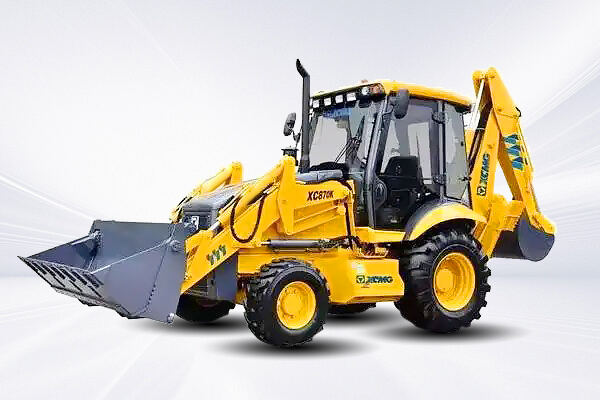
As an operation worker who has spent countless hours working with heavy machinery, I've had hands-on experience with both backhoe loaders and excavators. When it comes to choosing between these two powerful pieces of equipment for a job, it can be a tough decision. Each has its own unique set of features, advantages, and is better suited for specific work scenarios. In this article, I'll share my insights on the characteristics of backhoe loaders and excavators, their manufacturing aspects, and help you figure out which one might be the right choice for your particular needs.
Key Features of Backhoe Loaders and Excavators
Backhoe Loader Features
The backhoe loader is a highly versatile machine. Its most distinctive feature is the combination of a loader bucket at the front and a backhoe attachment at the rear. This dual functionality allows it to handle a wide variety of tasks. For example, the loader bucket is great for scooping up materials like dirt, gravel, or sand and loading them into trucks or moving them around the job site. I've used it many times to clear debris and level the ground before starting a construction project. Meanwhile, the backhoe part is excellent for digging trenches, holes for foundations, or even for small excavation work around existing structures.
In terms of maneuverability, backhoe loaders are relatively compact compared to some larger excavators. They can operate in more confined spaces, such as in urban construction sites with narrow alleys or on small farms with limited access. They can turn on a dime, making it easy to navigate around obstacles and get into tight spots. The operator's cab of a backhoe loader usually offers good visibility, with large windows and well-positioned mirrors that help eliminate blind spots. This is crucial for accurate operation and safety when working in busy or crowded areas.
Another advantage of the backhoe loader is its ease of operation. The controls are designed to be user-friendly, and with a bit of practice, operators can quickly get the hang of using both the loader and backhoe functions. The comfortable cab also has features like adjustable seats and sometimes climate control systems, which make long working hours more bearable.
Excavator Features
Excavators, on the other hand, are known for their powerful digging capabilities. They have a boom, stick, and bucket configuration that is specifically designed for heavy-duty excavation. The reach and digging depth of excavators can be quite impressive, allowing them to handle large-scale excavation projects, like digging basements for big buildings or quarrying operations. For instance, when working on a major construction site where we needed to remove a large amount of earth to create a foundation, the excavator was the go-to machine due to its ability to dig deep and move large volumes of soil efficiently.
Excavators are typically more stable during digging operations compared to backhoe loaders. Their design with a wide undercarriage and a low center of gravity ensures that they can handle the forces exerted while digging without tipping over easily. They also offer better precision in digging, as the controls are engineered to allow for fine adjustments in the movement of the bucket, which is essential when working on projects that require exact dimensions, like laying underground pipes or creating precise trenches for utility lines.
However, excavators are generally larger and less maneuverable in tight spaces. They are better suited for open areas where they have enough room to operate and move around. The operator's cab of an excavator also provides good visibility, but it's mainly focused on the digging area in front of the machine, as that's its primary function.
Manufacturing Advantages of Backhoe Loaders and Excavators
Backhoe Loader Manufacturing Advantages
Backhoe loaders are constructed using high-quality materials to ensure durability and reliability. The frame is often made from strong steel alloys that can withstand the combined loads from both the loader and backhoe operations. The buckets and attachments are crafted from wear-resistant materials, which can endure the rigors of daily use and different types of materials they handle.
Advanced manufacturing techniques like computer numerical control (CNC) machining are employed to create precise components. This ensures that the parts fit together smoothly, reducing the risk of mechanical failures. Welding processes are carefully controlled to form strong and durable connections between different parts of the backhoe loader. The hydraulic systems are designed to provide efficient power for both the loader and backhoe functions, with high-quality hydraulic pumps and cylinders and suitable hydraulic fluid to maintain consistent performance.
Safety features are integrated into the backhoe loader's design. It comes with overload protection systems to prevent damage from excessive loads. Rollover protection structures (ROPS) and falling object protection systems (FOPS) are installed in the operator's cab to safeguard the operator's life. Emergency stop buttons are placed in accessible locations for quick shutdown in case of emergencies.
Excavator Manufacturing Advantages
Excavators also benefit from high-quality materials in their construction. The boom, stick, and undercarriage are made from robust steel to handle the heavy loads and stresses during excavation. The bucket is designed with durability in mind, using materials that can withstand the impact and abrasion when digging into tough soil or rock.
Manufacturing techniques ensure precision in the fabrication of excavator components. CNC machining is used to create parts with tight tolerances, enabling smooth operation and accurate movement of the machine. Welding is done with great care to build a solid structure that can withstand the forces of digging. The hydraulic systems in excavators are highly sophisticated, providing powerful and precise control over the digging actions. They are equipped with advanced hydraulic pumps and cylinders, along with specialized hydraulic fluid to cope with the high pressures and demands of excavation work.
Safety is a top priority in excavator manufacturing as well. They have stability-enhancing features like a wide undercarriage and proper weight distribution to prevent tipping. The cab is equipped with ROPS and FOPS, and there are emergency stop buttons and other safety mechanisms to protect the operator during operation.
Conclusion
In conclusion, as an operation worker, I understand that the choice between a backhoe loader and an excavator depends on the specific requirements of the job at hand. If you're working on a project that demands versatility, where you need to handle both loading and small to medium-sized digging tasks in relatively confined spaces, a backhoe loader is likely the better option. It's compact, easy to operate, and can adapt to a variety of tasks around the job site.
On the other hand, if your work involves large-scale excavation, requires precise digging in open areas, and stability during heavy-duty digging is crucial, then an excavator is the way to go. It offers superior digging power and precision for those big projects.
Both backhoe loaders and excavators have their own manufacturing advantages that contribute to their performance and safety. Ultimately, it's about evaluating your project needs, the working environment, and the tasks you'll be performing to make the right decision between these two remarkable pieces of heavy machinery.