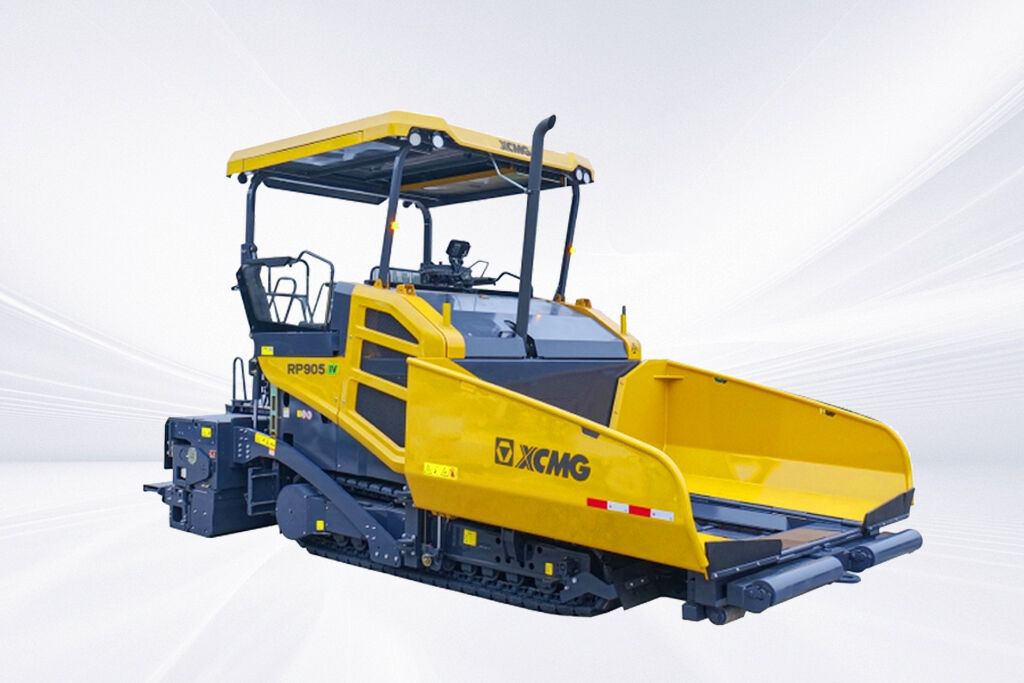
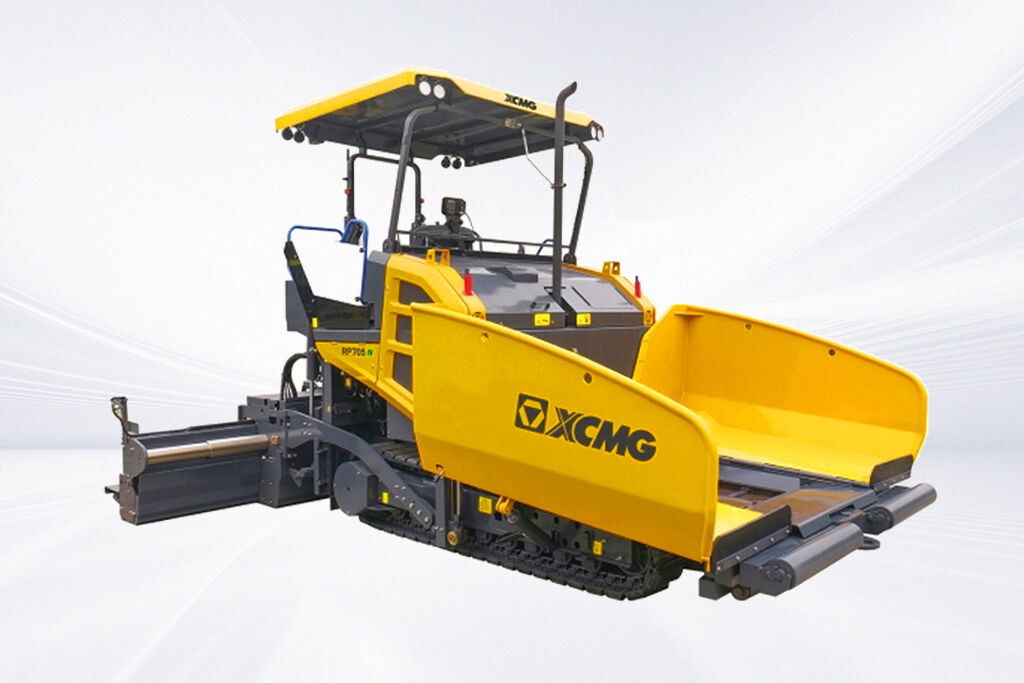
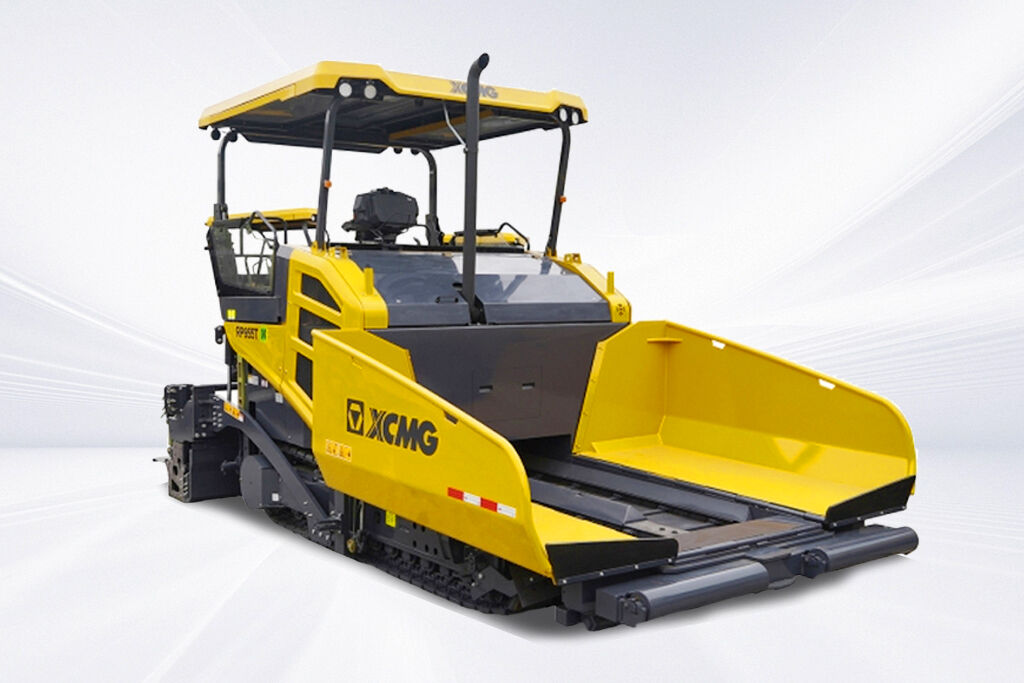
Our scope extends beyond construction sites into manufacturing facilities. We supply advanced concrete paver manufacturing equipment to producers of hardscape products. We understand the production demands of this industry and provide machinery that enhances automation, product quality, and overall plant efficiency. Our international experience allows us to serve manufacturers globally, providing them with the technology and support needed to lead in the competitive market for concrete paving products.
When exploring concrete paver manufacturing equipment, three core features play a decisive role in determining production efficiency, product quality, and operational flexibility: vibratory compaction systems, mold precision and interchangeability, and automated curing and demolding lines.
1. Vibratory Compaction Systems:
One of the most critical stages in paver production is the compaction of concrete to remove air pockets, increase density, and ensure a smooth, durable surface. Vibratory compaction systems use controlled vibrations—either through electric or pneumatic vibrators—to achieve this. These systems are integrated into molds or pressing stations where the concrete is compacted either by vibration alone or in combination with hydraulic pressure. The intensity, frequency, and duration of the vibration can often be adjusted based on the concrete mix design and desired paver thickness. Proper compaction results in pavers that are stronger, less porous, and more resistant to cracking, freeze-thaw cycles, and heavy loads. Advanced vibratory systems also help achieve a uniform finish, which is critical for aesthetic consistency in decorative or interlocking pavers.
2. Mold Precision and Interchangeability:
The molds used in paver manufacturing determine the shape, size, texture, and pattern of the final product. High-quality molds with precise dimensions are essential for ensuring that every paver meets exact specifications and fits correctly with adjacent units, especially for interlocking designs. Additionally, interchangeable mold systems allow manufacturers to quickly switch between different paver shapes, colors, or textures without significant downtime. This flexibility is crucial for meeting diverse customer demands and responding to market trends. Modern mold designs are often made from hardened steel or wear-resistant polymers to extend lifespan and maintain detail fidelity even after thousands of casting cycles. The ability to produce a wide variety of paver types using the same base equipment increases production versatility and return on investment.
3. Automated Curing and Demolding Lines:
After compaction, concrete pavers must undergo a curing process to achieve optimal strength and durability. Automated curing systems regulate temperature and humidity within controlled chambers, ensuring that each paver cures uniformly and reaches its design strength in the shortest possible time. This is especially important for high-volume production, where delays or inconsistencies in curing can disrupt the entire manufacturing schedule. Once cured, automated demolding systems gently separate the pavers from their molds, minimizing the risk of breakage or surface damage. These systems are often integrated with conveyor belts and stacking robots, enabling a seamless transition from curing to packaging. Automation in curing and demolding not only improves efficiency but also reduces labor costs and human error, leading to higher throughput and consistent product quality.
Additional features found in advanced concrete paver manufacturing setups may include color dosing systems, batching and mixing controls, robotic stacking and packaging, and quality inspection cameras. Manufacturers can also opt for energy-efficient systems, recyclable materials handling, and modular plant designs to improve sustainability and scalability. Whether producing standard concrete blocks or premium decorative pavers, investing in high-quality manufacturing equipment ensures that producers can meet market demands with efficiency, precision, and consistency.

 EN
EN