Telescopic Boom Crane: Advanced Lifting Solutions for Industrial Applications

All Categories

telescopic boom crane

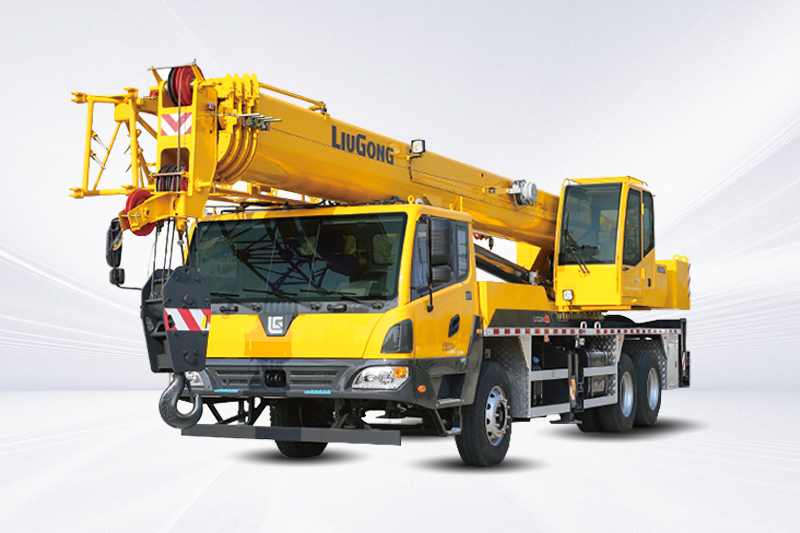
A telescopic boom crane represents a sophisticated piece of heavy lifting equipment that combines versatility, mobility, and precision engineering to deliver exceptional performance across diverse industrial applications. This innovative crane design features an extendable boom mechanism that allows operators to adjust the reach and height dynamically during operations, making it an indispensable tool for construction sites, manufacturing facilities, and specialized lifting projects. The telescopic boom crane distinguishes itself through its unique ability to extend and retract its boom sections hydraulically, providing variable reach capabilities that range from compact configurations for confined spaces to maximum extensions for long-distance lifting tasks. The primary functions of this equipment encompass heavy material handling, precise placement of construction components, equipment installation, and emergency rescue operations. Modern telescopic boom crane models incorporate advanced hydraulic systems that ensure smooth boom extension and retraction while maintaining optimal load stability throughout the entire operational envelope. The technological features of contemporary telescopic boom crane systems include sophisticated load monitoring systems, computerized stability controls, and precision positioning capabilities that enhance both safety and operational efficiency. These cranes typically feature multiple boom sections that telescope outward using hydraulic cylinders, creating a seamless extension process that maintains structural integrity under various load conditions. The control systems integrate digital displays, automated load charts, and real-time weight monitoring to assist operators in making informed decisions during lifting operations. Applications for telescopic boom crane equipment span numerous industries, including construction, where they facilitate building assembly and material placement, manufacturing sectors for machinery installation and maintenance, port operations for cargo handling, and infrastructure projects requiring precise component positioning. The versatility of telescopic boom crane technology makes it suitable for both permanent installations and mobile applications, with truck-mounted variants providing exceptional portability for projects requiring equipment relocation between multiple work sites.

Popular Products

The telescopic boom crane offers significant operational advantages that directly translate into cost savings and improved project efficiency for businesses across multiple industries. One of the most compelling benefits lies in its exceptional versatility, as operators can adjust the boom length to match specific job requirements without requiring additional equipment or time-consuming setup procedures. This adaptability eliminates the need to maintain multiple crane types for different applications, reducing equipment costs and simplifying fleet management decisions. The precision control systems integrated into modern telescopic boom crane designs enable operators to position loads with remarkable accuracy, minimizing the risk of damage to expensive materials and reducing project delays caused by repositioning requirements. Safety represents another crucial advantage, as these cranes incorporate advanced stability monitoring systems that continuously assess load conditions and automatically prevent unsafe operations. The real-time feedback provided by digital control systems allows operators to work with confidence, knowing that the equipment will alert them to potential hazards before they become critical safety issues. Maintenance requirements for telescopic boom crane equipment are typically lower than comparable lifting solutions due to the simplified hydraulic systems and robust construction methods used in their manufacture. The reduced maintenance needs translate directly into lower operational costs and increased equipment availability for productive work. Mobility advantages become particularly evident in projects requiring frequent equipment relocation, as truck-mounted telescopic boom crane variants can travel between job sites without requiring separate transportation arrangements. This mobility reduces project timelines and eliminates the costs associated with crane disassembly and reassembly at new locations. The compact footprint achieved when the telescopic boom crane is in its retracted configuration allows operation in confined spaces where traditional cranes cannot function effectively. This space efficiency proves invaluable in urban construction projects, indoor manufacturing facilities, and renovation work where space constraints limit equipment options. Productivity gains result from the quick setup times and operational flexibility that telescopic boom crane technology provides, allowing project teams to complete lifting tasks more efficiently while maintaining high safety standards throughout the work process.

Latest News

Pile Drilling Machine Cost: ROI Analysis for Contractors

26

Dec

Pile Drilling Machine Cost: ROI Analysis for Contractors

Understanding pile drilling machine cost represents one of the most critical investment decisions for construction contractors engaged in foundation work. The financial implications extend far beyond the initial purchase price, encompassing operation...
View More
5 Common Paving Machine Problems and Solutions

26

Dec

5 Common Paving Machine Problems and Solutions

Construction projects involving road surfaces, parking lots, and other paved areas rely heavily on the performance and reliability of paving equipment. When a paving machine encounters operational issues, it can lead to project delays, increased cost...
View More
Cost Analysis: Buying vs Renting a Cold Milling Machine

19

Jan

Cost Analysis: Buying vs Renting a Cold Milling Machine

Construction professionals and contractors face a critical decision when approaching road rehabilitation projects: should they invest in purchasing a cold milling machine or opt for rental arrangements? This financial choice significantly impacts pro...
View More
How to Choose the Best Wheeled Loader for Construction

06

Feb

How to Choose the Best Wheeled Loader for Construction

Selecting the right wheeled loader for construction projects requires careful consideration of multiple factors that directly impact productivity, efficiency, and operational costs. A wheeled loader serves as the backbone of many construction operati...
View More

Get a Free Quote

Our representative will contact you soon.
Email
Name
Company Name
Message
0/1000

telescopic boom crane

Advanced Hydraulic Extension System

Advanced Hydraulic Extension System

The hydraulic extension system represents the technological heart of any telescopic boom crane, delivering the precise control and reliable performance that sets this equipment apart from conventional lifting solutions. This sophisticated system utilizes high-pressure hydraulic cylinders strategically positioned within each boom section to create smooth, controlled extension and retraction movements that maintain optimal load stability throughout the entire operational range. The hydraulic extension mechanism operates through a series of interconnected cylinders that work in perfect synchronization to extend boom sections sequentially, ensuring that structural loads are distributed evenly and preventing dangerous stress concentrations that could compromise equipment integrity. Modern telescopic boom crane designs incorporate variable-speed hydraulic controls that allow operators to adjust extension rates based on specific operational requirements, providing fast deployment when speed is essential and slow, precise movements when accuracy takes priority. The hydraulic system includes multiple safety features, including pressure relief valves that prevent system overload, flow control valves that regulate extension speeds, and emergency stop mechanisms that immediately halt boom movement in dangerous situations. Advanced filtration systems within the hydraulic circuit ensure that contaminants cannot compromise system performance, while temperature monitoring prevents overheating during intensive operations. The reliability of the hydraulic extension system directly impacts project productivity, as consistent performance eliminates delays caused by equipment malfunctions or unexpected downtime. Regular maintenance of the hydraulic components involves straightforward procedures that can be performed by trained technicians using standard tools and readily available replacement parts. The modular design of modern hydraulic systems allows for component replacement without requiring complete system overhauls, minimizing maintenance costs and reducing equipment downtime. Energy efficiency improvements in contemporary telescopic boom crane hydraulic systems include variable-displacement pumps that adjust output based on operational demands, reducing fuel consumption and environmental impact while maintaining peak performance capabilities. The integration of electronic controls with hydraulic systems creates intelligent operation modes that optimize performance parameters automatically, reducing operator workload and improving overall system efficiency.
Superior Load Capacity and Precision Control

Superior Load Capacity and Precision Control

The exceptional load capacity and precision control capabilities of telescopic boom crane equipment deliver unmatched performance for demanding lifting applications across diverse industrial environments. These cranes are engineered to handle substantial loads while maintaining precise positioning accuracy, making them ideal for critical operations where both strength and finesse are essential requirements. The load capacity specifications of modern telescopic boom crane models typically range from several tons for compact units to over one hundred tons for heavy-duty industrial versions, with capacity ratings that account for various boom extension configurations and operating angles. This variable capacity system allows operators to maximize lifting potential at shorter extensions while maintaining safe working loads as boom reach increases, providing flexibility that matches real-world operational requirements. The precision control systems integrated into telescopic boom crane designs utilize advanced electronic controls that translate operator inputs into smooth, accurate machine movements with minimal delay or overshoot. These control systems incorporate proportional joysticks that provide intuitive operation, allowing experienced operators to achieve remarkable positioning accuracy even when working with heavy loads in challenging conditions. Load monitoring technology continuously tracks the weight being lifted and compares it against safe working load charts, providing real-time feedback that helps operators make informed decisions throughout the lifting process. The sophisticated control algorithms built into modern telescopic boom crane systems automatically compensate for factors such as boom angle, extension length, and dynamic loads to ensure that operations remain within safe parameters at all times. Anti-sway systems help minimize load oscillation during lifting and positioning operations, improving both safety and operational efficiency by reducing the time required to stabilize loads at their final positions. The precise control capabilities extend to boom positioning functions, allowing operators to achieve exact placement heights and horizontal positions with minimal adjustment requirements. This precision reduces material handling time and minimizes the risk of damage to expensive components during installation or assembly operations. The combination of substantial load capacity with precise control functionality makes telescopic boom crane equipment particularly valuable for applications requiring the placement of heavy components in tight spaces or at significant heights where accuracy is paramount.
Exceptional Mobility and Workspace Adaptability

Exceptional Mobility and Workspace Adaptability

The remarkable mobility and workspace adaptability features of telescopic boom crane equipment provide unprecedented flexibility for project teams working in diverse operational environments. This adaptability stems from innovative design approaches that prioritize both transportation convenience and operational versatility, creating equipment that can transition seamlessly between different work sites and adapt to varying spatial constraints. Truck-mounted telescopic boom crane configurations offer exceptional mobility by combining lifting capabilities with road-worthy transportation systems, eliminating the need for separate transport vehicles and reducing project logistics complexity. These mobile units can travel at highway speeds between job sites, arriving ready to deploy without requiring extensive setup procedures or specialized transportation arrangements. The compact profile achieved when the telescopic boom crane is configured for transport allows passage through standard height restrictions and narrow access routes that might limit other heavy equipment options. Outrigger systems on mobile telescopic boom crane units provide stable working platforms that can be deployed quickly on various ground conditions, extending the operational envelope to include uneven terrain and challenging work sites. The workspace adaptability of telescopic boom crane equipment becomes particularly evident in confined areas where traditional cranes cannot operate effectively due to space limitations or access restrictions. The ability to retract the boom to minimum extension allows these cranes to work in tight spaces while maintaining full operational capabilities, making them ideal for indoor installations, urban construction projects, and renovation work in existing facilities. Slewing capabilities enable telescopic boom crane operators to rotate the boom assembly through complete circles, maximizing the working area coverage from a single setup position and reducing the need for equipment repositioning during complex lifting sequences. The combination of boom extension variability with full rotation capability creates working envelopes that can be adjusted to match specific project requirements, optimizing productivity while minimizing setup time and operational complexity. Advanced stabilization systems automatically adjust to varying ground conditions, maintaining operational stability across different work surfaces and ensuring consistent performance regardless of environmental challenges. This adaptability extends to weather conditions, with many telescopic boom crane models designed to operate safely in moderate wind conditions and temperature extremes that might limit other equipment types.
WeChat WeChat
WeChat
TopTop Whatsapp Whatsapp