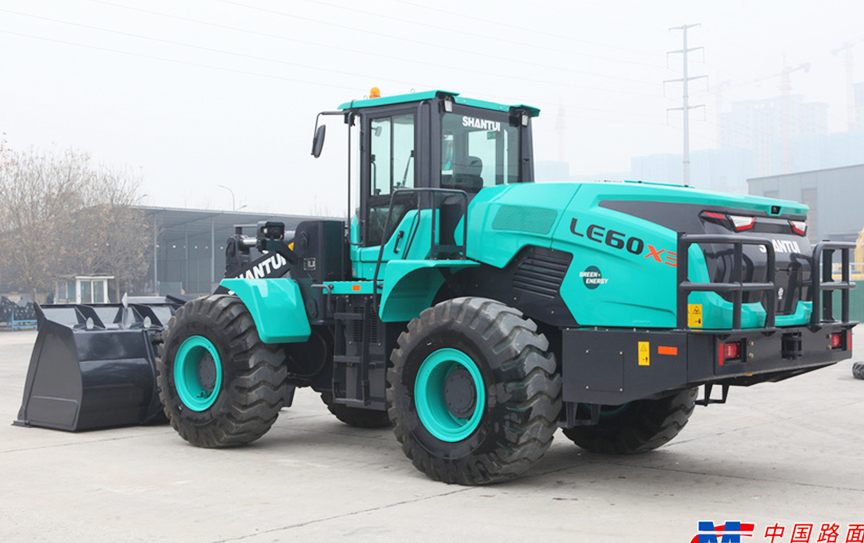
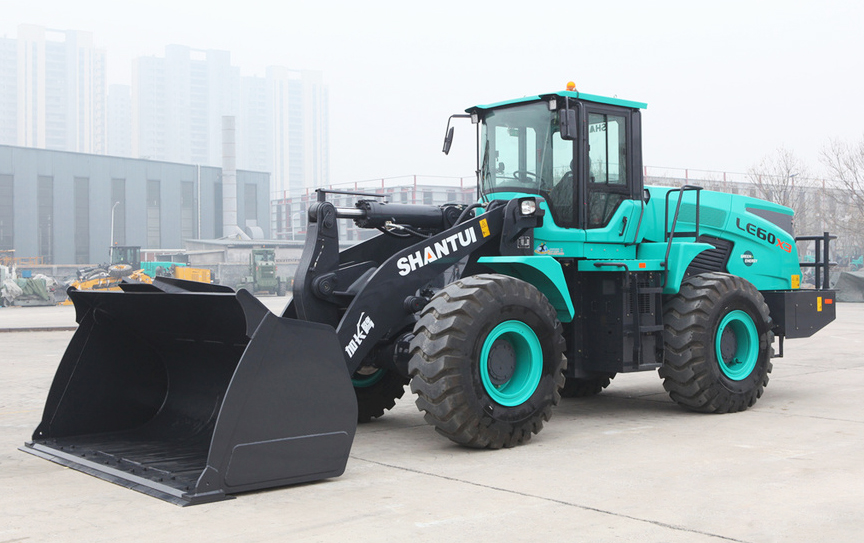
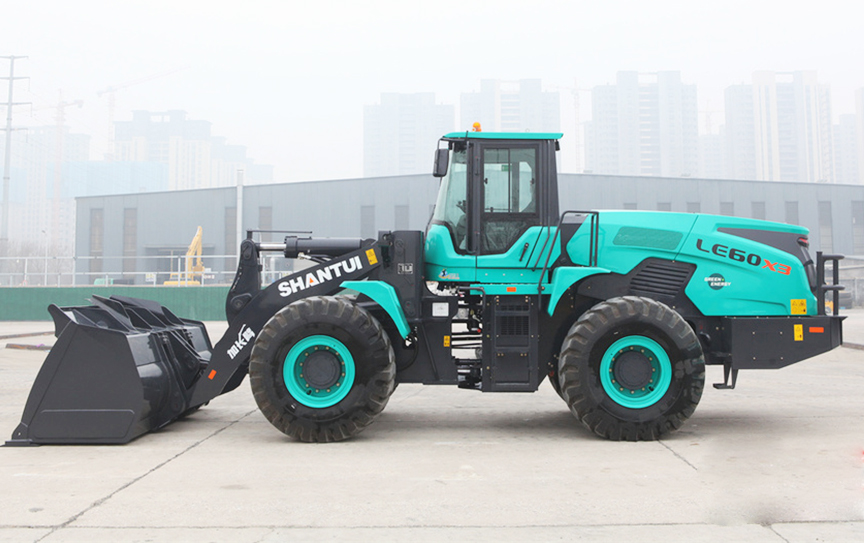
electric wheel loader
An electric wheel loader represents a revolutionary advancement in material handling and construction equipment. This innovative machine combines the proven functionality of traditional wheel loaders with cutting-edge electric power technology, delivering superior performance for modern jobsites. The electric wheel loader features a robust electric motor system that replaces conventional diesel engines, providing immediate torque and consistent power delivery.
The electric wheel loader is engineered with advanced battery management systems and regenerative braking technology that maximizes operational efficiency. Key technological features include precision hydraulic controls, sophisticated load-sensing capabilities, and integrated telematics systems for real-time monitoring. These components work seamlessly to optimize productivity while reducing operational strain on equipment.
Primary functions of an electric wheel loader encompass loading and transporting bulk materials, clearing debris, excavating soil, and handling finished products across various industrial settings. The electric wheel loader excels in recycling facilities, waste management centers, mining operations, construction sites, and materials processing plants. Its versatile bucket attachment system allows operators to adapt quickly to changing task requirements.
Applications span diverse industries requiring reliable material handling solutions. Manufacturing facilities utilize electric wheel loaders for moving raw materials and finished goods efficiently. Waste management operations benefit from the machine's durability and precision when sorting and processing recyclable materials. Construction contractors appreciate how the electric wheel loader streamlines project workflows by delivering consistent performance throughout demanding workdays.

 EN
EN