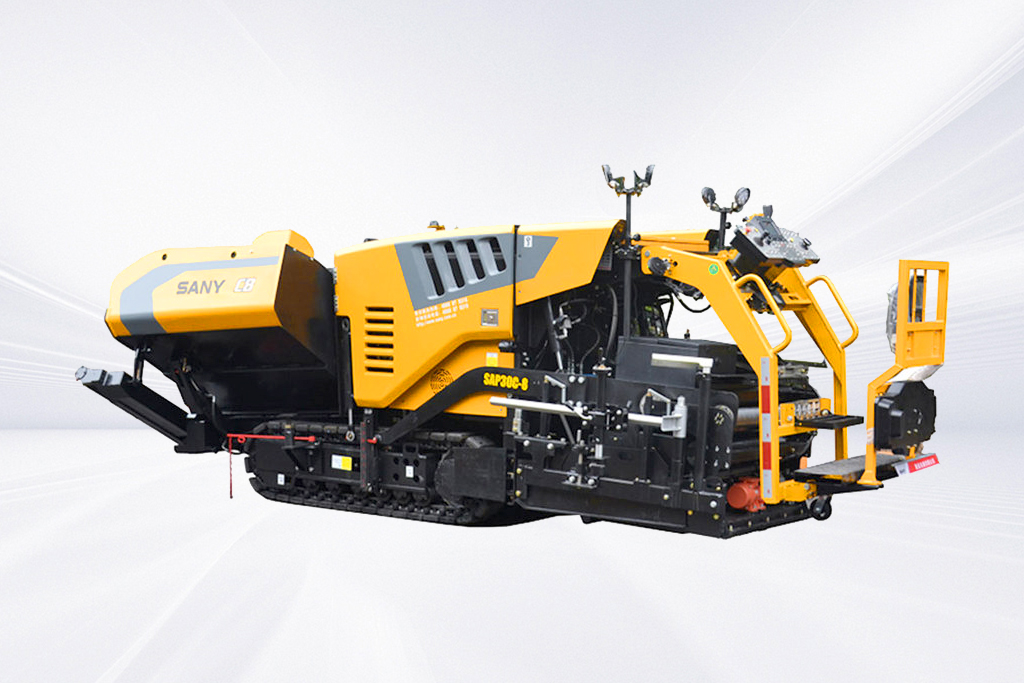
double drum roller
A double drum roller is a powerful compaction machine designed to flatten and compress soil, asphalt, and other materials across construction sites. This heavy-duty equipment features two large cylindrical drums that rotate in opposite directions, applying consistent pressure to achieve uniform density and smooth surfaces. The double drum roller represents a fundamental piece of machinery in road construction, foundation preparation, and large-scale grading projects.
The double drum roller operates by propelling forward while the drums vibrate or apply static pressure, compacting materials layer by layer. Modern double drum roller models incorporate advanced technology including variable frequency vibration systems, GPS grade control, and operator-friendly cabins with enhanced visibility. These technological features enable precise depth control and superior compaction results compared to single-drum alternatives.
Double drum roller applications span numerous industries including highway construction, parking lot development, airfield preparation, and soil stabilization projects. Construction professionals rely on the double drum roller for its versatility, as it effectively handles various material types from granular soils to bituminous asphalt. Whether preparing subgrades, compacting base courses, or finishing asphalt surfaces, the double drum roller delivers consistent performance and measurable productivity improvements that reduce project timelines and labor costs significantly.

 EN
EN