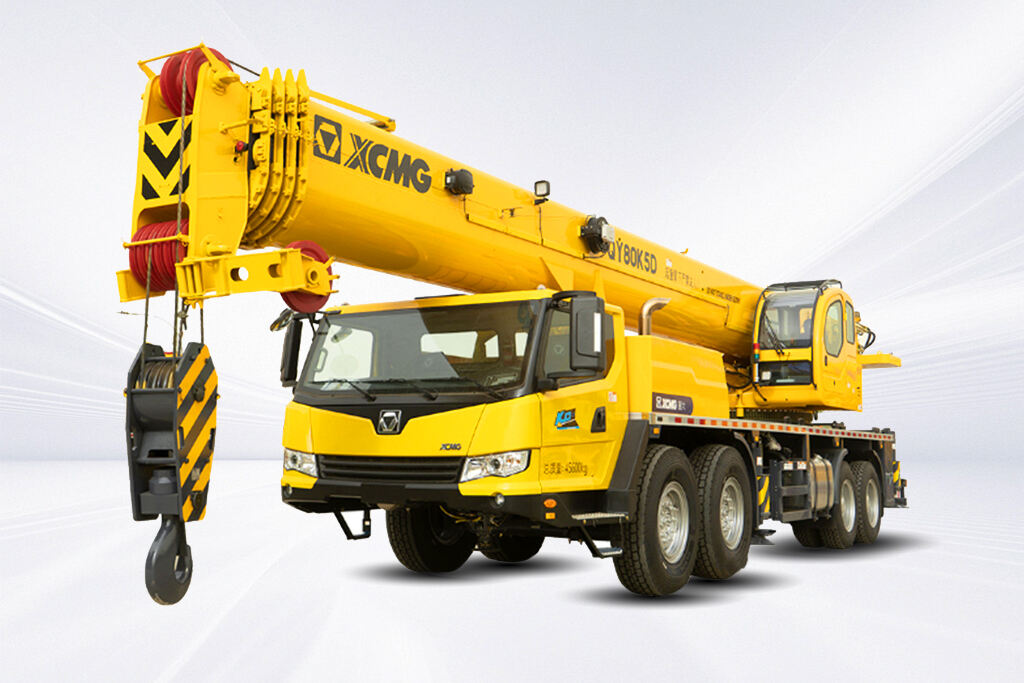
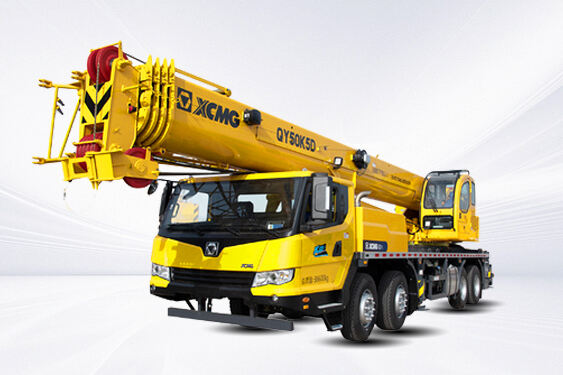
A container crane truck is a specialized heavy-duty vehicle designed specifically for the handling and transportation of shipping containers. It typically consists of a robust multi-axle truck chassis fitted with a powerful crane that is engineered to lift, load, unload, and stack 20ft and 40ft containers. Unlike standard crane trucks, the key differentiator is the spreader attachment mounted at the boom tip. This spreader is a frame that locks onto the four top corner castings of a standard container, ensuring a secure and balanced lift. These trucks are essential for intermodal operations, port logistics, and any site where containers need to be moved without the immediate availability of a dedicated reach stacker or gantry crane. They offer the flexibility to deliver a container to a location and then precisely place it on the ground, on another trailer, or even stack another container on top of it. Features include high lifting capacity, a strong telescopic boom, a specialized spreader with twist locks, and often outriggers for stability during the lifting process.
The single most defining feature is the Container-Specific Lifting Attachment, known as a spreader. This is not a standard hook but a rectangular steel frame that matches the dimensions of ISO shipping containers (20ft, 40ft, and sometimes 45ft). At each of its four corners, it is equipped with hydraulic twist locks. These locks rotate 90 degrees to engage into the top corner castings of the container, securely locking it onto the spreader for a safe and rigid lift. The spreader is also often telescopic itself, adjusting its length to handle different container sizes. It can be tilted hydraulically to handle containers on slightly uneven ground. Some advanced spreaders are even capable of stacking containers two high, adding a significant layer of versatility to the truck's operation, mimicking the function of a smaller reach stacker but with the mobility of a truck.
To handle the immense weight of loaded containers, the truck requires a High-Capacity Structural and Lifting System. The carrier is a specially built multi-axle chassis, often with 3 to 5 axles, designed to bear the gross vehicle weight which can exceed 50 tons. The crane itself is a heavy-duty telescopic boom crane, with a capacity typically ranging from 30 to 50 tons or more, enough to lift a fully laden 20ft or even a lighter 40ft container. The boom is constructed from the highest grade High-Strength Steel to manage the high stresses involved. The Winch System is powerful and reliable, designed for controlled hoisting and lowering of these heavy, static loads. The Hoisting Mechanism must provide smooth and precise control to avoid swinging the container, which could be dangerous and damage the contents.
The process of lifting a large, rigid box requires immense Stability and Control for Precision Placement. The container crane truck relies on a robust system of hydraulic outriggers with a very Large Span to create a wide, stable base that prevents the vehicle from tipping during the lift. Automatic Leveling of these outriggers is crucial to ensure the crane operates on a perfectly level plane, which is necessary for the spreader to engage correctly and for safe lifting according to the capacity chart. The operator controls the complex sequence of spreading, locking, lifting, and positioning using Pilot Hydraulic Controls, often from a cab with excellent all-around visibility or from a remote control that allows them to visually confirm the twist lock engagement. Electronic Precision Micro-Movement is essential for the final inch-perfect placement of the container onto a chassis or stacking frame. The Moment Limiter is a critical safety backup, ensuring the operator never accidentally attempts to lift a container that exceeds the truck's safe working capacity for that specific radius.

 EN
EN