EN
EN
Configuration Flexibility
The price can be tailored by choosing different crane models and truck specs, allowing you to find the optimal balance between performance and cost.

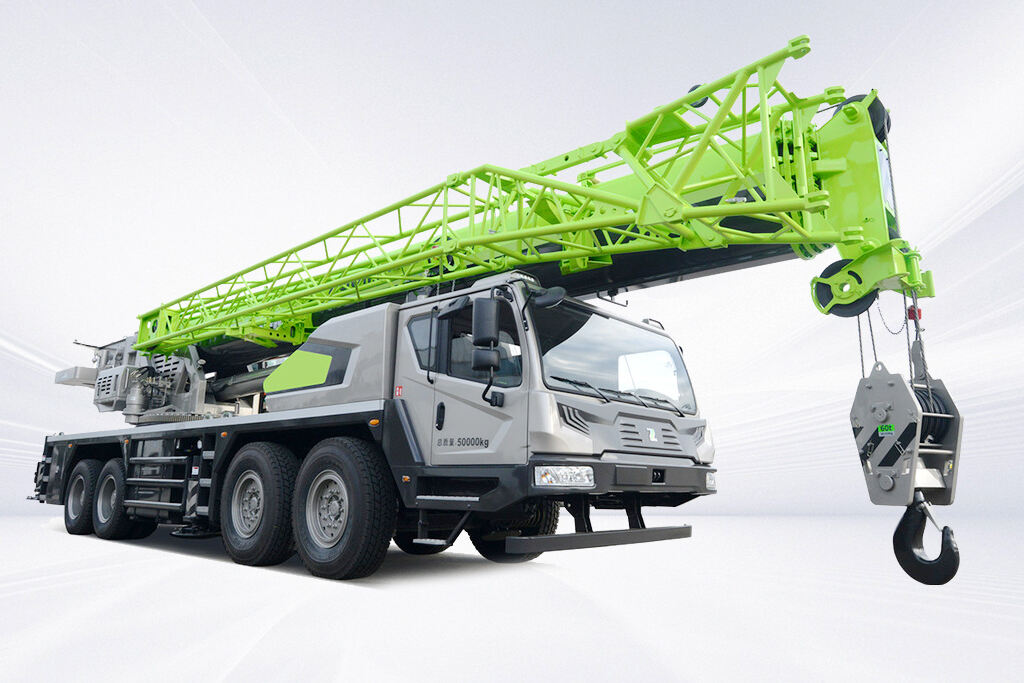
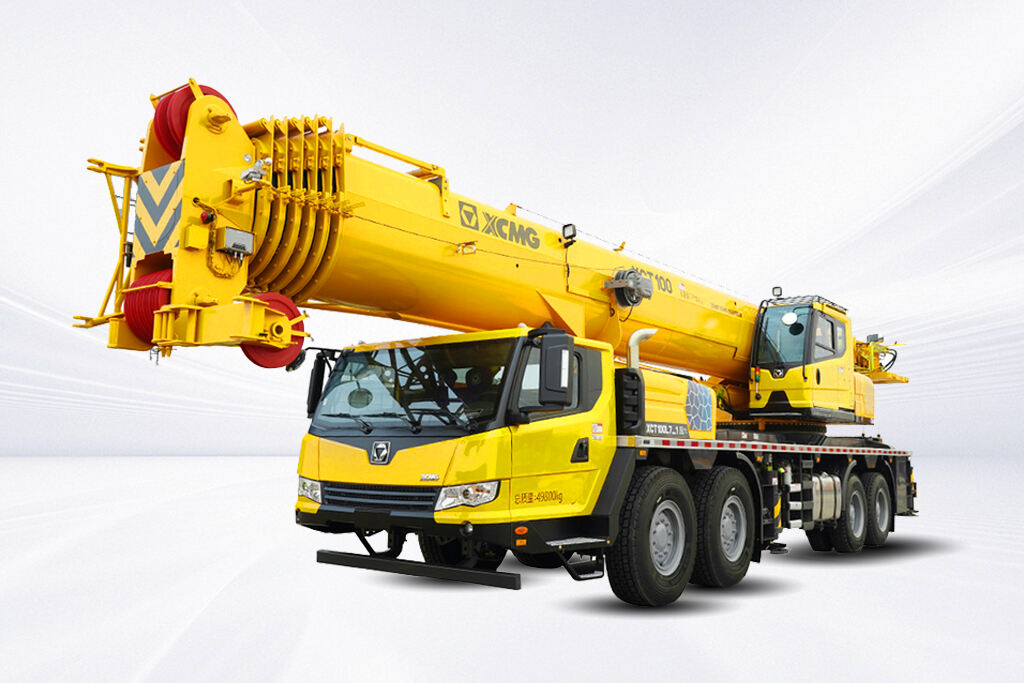
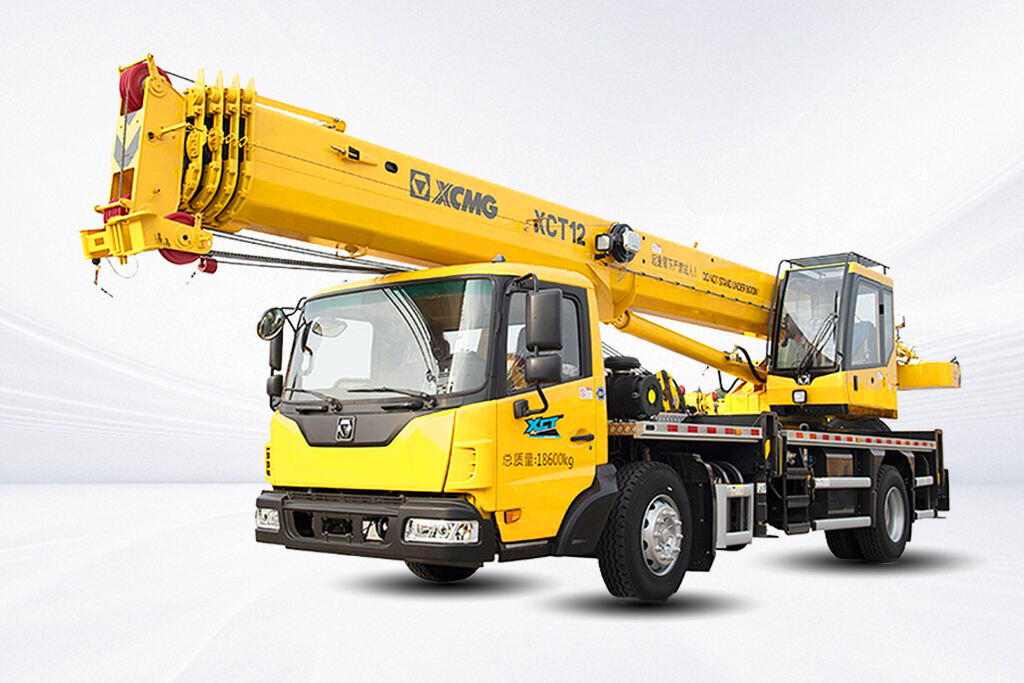
The "truck mounted crane price" refers to the cost of purchasing the crane unit itself, which is then installed onto a separate truck chassis. It is crucial to understand that this price is distinct from the total cost of a complete, ready-to-operate crane truck, which must include the price of the truck chassis, the installation labor, and any additional customization. The price of the crane module varies dramatically based on its specifications. Key factors influencing price include lifting capacity (e.g., a 3-ton crane vs. a 50-ton crane), boom type and length (telescopic vs. articulating, standard vs. with jib), the sophistication of its features (manual vs. hydraulic controls, basic vs. advanced safety systems), brand reputation, and included warranties. Prices can range from tens of thousands of dollars for a simple, small-capacity loader crane to several hundred thousand dollars for a high-capacity, technologically advanced telescopic crane with a long boom and jib. Getting accurate quotes requires specifying the intended application, required capacity, desired reach, and any must-have features like remote control or specific safety devices.
The most fundamental cost driver is the Lifting Capacity and Boom Architecture. The crane's designated capacity—whether it's 2 tons or 100 tons—dictates the scale of every component. A higher capacity requires a stronger slewing ring, larger hydraulic cylinders, more powerful winches, massively reinforced boom sections made from special High-Strength Steel, and a more robust main frame. This directly translates to more material, more precise machining, and higher cost. Furthermore, the boom type and its reach are huge factors. A simple two-section telescopic boom is less expensive than a complex five-section boom. Adding a Lattice Jib attachment for extended reach adds significant cost. An Articulating Knuckleboom crane, with its multiple hinged joints and more complex hydraulic circuitry, often commands a different price point compared to a straight telescopic crane of similar capacity due to its unique flexibility. The raw materials and engineering required to achieve both strength and reach are a primary component of the crane's price.
Beyond raw power, the Technological Sophistication and Control Systems embedded in the crane significantly influence its price. A basic crane with simple mechanical levers and a rudimentary overload alarm will be at the lower end of the spectrum. Moving up, cranes equipped with Pilot Hydraulic Controls for smoother operation cost more. The inclusion of a full Moment Limiter (RCL) system—with its sensors, computer, and display—is a major value adder and a critical safety feature that increases price. Remote Radio Control functionality is another premium feature that adds cost. Advanced options like Automatic Outrigger Leveling systems, Fault Self-Diagnosis capabilities, and Real-Time Condition Displays with GPS tracking for fleet management all represent higher levels of technology that enhance safety, efficiency, and management but also come with a higher purchase price. The efficiency of the Hydraulic System itself can also affect cost, with newer, more efficient designs potentially commanding a premium.
Finally, the Brand Value and Support Infrastructure play a crucial role in pricing. Established brands with a long history of reliability, durability, and strong performance often command a premium price based on their reputation and proven resale value. This price is not just for the name; it typically reflects higher quality control standards, better warranty terms, and the use of premium components. Perhaps more importantly, it includes access to a robust support network: readily available spare parts, trained service technicians, and a responsive dealer network. A lower initial price from a lesser-known brand might be attractive, but it could come with risks of longer downtime for repairs, difficulty sourcing parts, and less comprehensive warranty support. Therefore, the price of a truck-mounted crane is also an investment in the product's ecosystem, ensuring minimal downtime and long-term reliability, which are critical for the crane's return on investment.