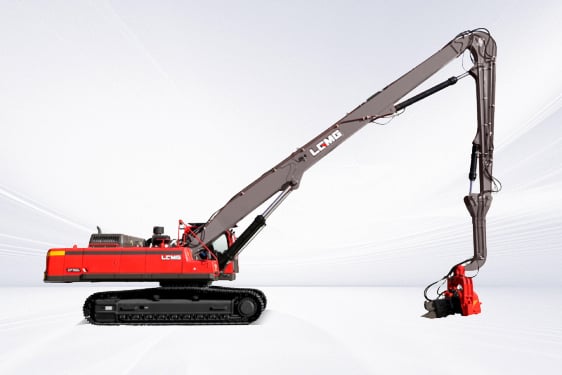
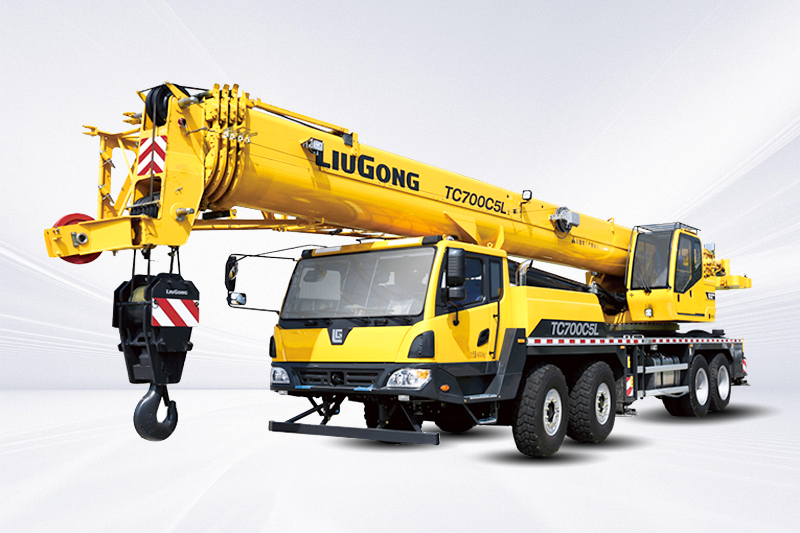
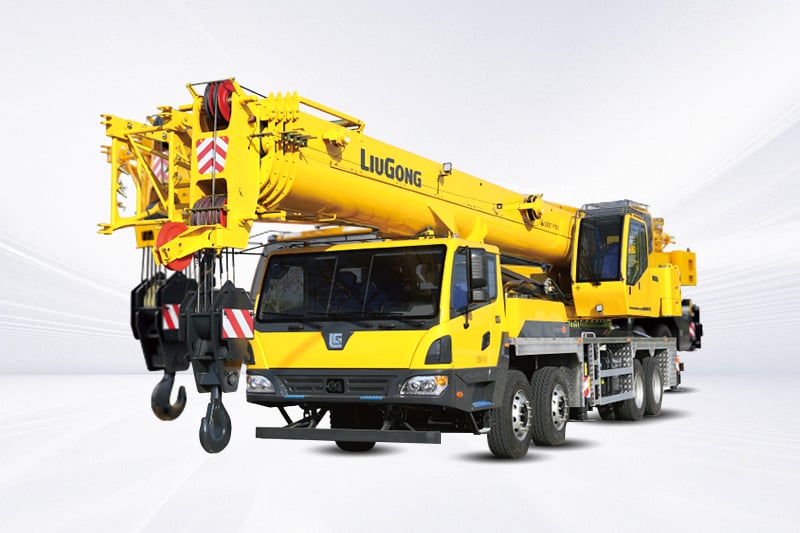
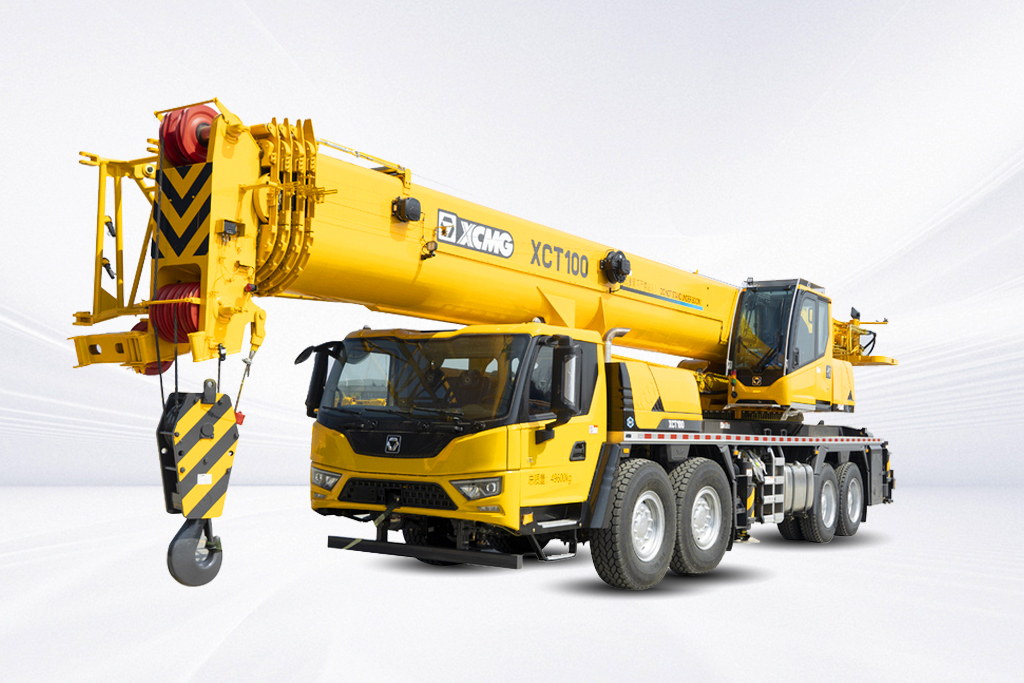
The phrase "truck and crane" broadly describes the powerful combination of a mobile truck chassis integrated with a functional lifting crane. This pairing creates a single, self-sufficient unit that embodies versatility and efficiency for countless material handling tasks. It eliminates the need for coordinating separate vehicles—a truck for transport and a crane for lifting—streamlining operations and reducing costs. The "crane" component can vary widely, from a simple loader crane for handling cargo on the truck itself to a powerful telescopic crane capable of significant lifting duties away from the vehicle. This integration allows businesses to quickly respond to job sites, perform necessary lifts for loading, unloading, or placement, and then immediately move on to the next task. The truck provides the mobility and often the power source, while the crane provides the strength and precision for vertical handling. This combination is the backbone of industries ranging from logistics and delivery to utilities, construction, and recovery services.
Firstly, the Truck is far from a standard off-the-shelf model. It is a Purpose-Built Chassis and Powertrain Integration. The chassis frame is reinforced with high-strength steel to withstand the immense static and dynamic stresses imposed by the crane during lifting operations and travel. The powertrain—engine, transmission, and axles—is specified to provide not only adequate road power but also to drive the crane's hydraulic system, typically via a Power Take-Off (PTO) unit. The truck's multi-axle configuration is crucial for distributing the weight of the crane apparatus itself, ensuring the vehicle remains road-legal and stable while driving. Features like All-Wheel Drive and All-Wheel Steering are often incorporated to provide the Off-Road Capability and exceptionally Small Turning Radius needed to access and maneuver on rough, confined job sites.
The Crane represents the Versatile Lifting Mechanism. This can be one of two primary types, defining the machine's core purpose. A Telescopic Crane offers straight-line reach and height, ideal for placement tasks away from the truck, such as setting equipment on roofs or into foundations. Conversely, an Articulating Knuckleboom Crane (Lorry Loader) excels at loading and unloading the truck bed itself and working in complex, obstructed environments thanks to its folding arm. Both types feature Multi-Section Boom Design for a compact transport profile and extended reach, Full-Circle Rotation for 360-degree placement, and a powerful Winch System with a Free-Fall Hook Function for rapid line payout. The crane is constructed from High-Strength Steel to achieve maximum strength with minimum weight, preserving the truck's payload capacity.
The magic of the "truck and crane" concept is realized through its Unified Control and Stability System. The two machines operate as one through a shared hydraulic system and a central nervous system of electronic controls. Before any significant lift, the Hydraulic Outriggers are deployed. These outriggers, with their Large Span and Automatic Leveling capability, transfer the load from the truck's suspension to a wide, stable base, essential for safe lifting. The operator then uses intuitive Pilot Hydraulic Controls from a dedicated crane cab or a Remote Control pendant to command both the truck's engine throttle and the crane's functions seamlessly. Every action is overseen by a Moment Limiter, a non-negotiable safety device that monitors the load and crane configuration, providing Real-Time Condition Display and enacting Automatic Safety Control to prevent overloads. This deep integration of stability, control, and safety ensures the combined unit operates with precision, efficiency, and utmost safety.