Compact Forklift Solutions: Space-Efficient Material Handling Equipment for Modern Warehouses

All Categories

compact forklift

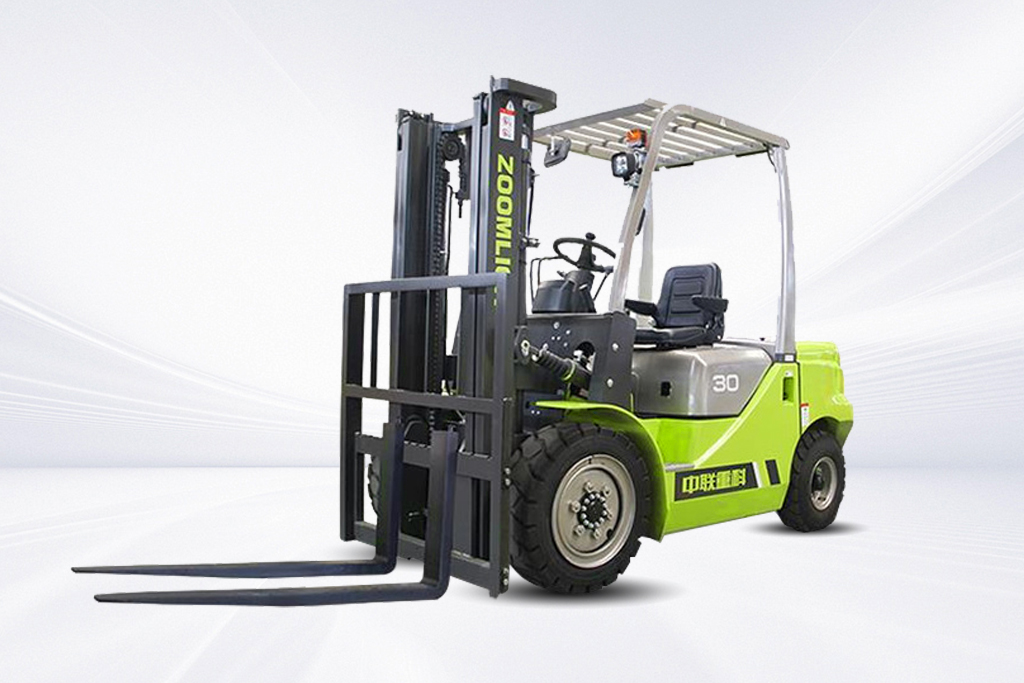
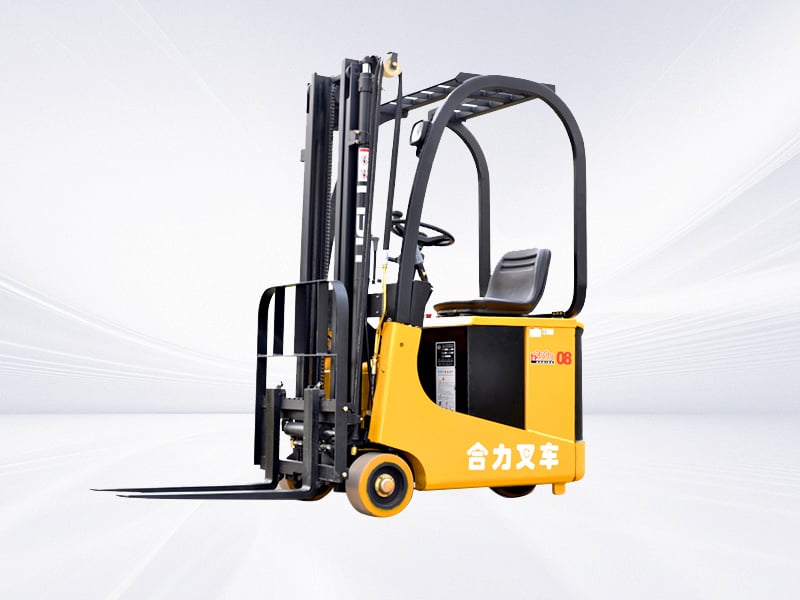
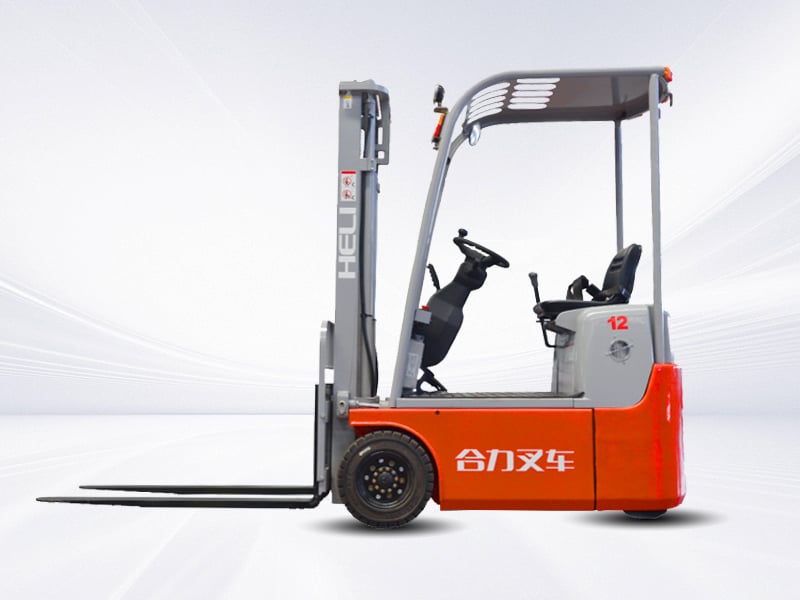
A compact forklift represents a revolutionary solution in material handling equipment, designed specifically for operations where space constraints and maneuverability are critical factors. These versatile machines combine the essential lifting capabilities of traditional forklifts with a significantly reduced footprint, making them ideal for warehouses, retail environments, and manufacturing facilities with limited operating space. The compact forklift maintains impressive lifting capacities typically ranging from 3,000 to 8,000 pounds while featuring turning radiuses as tight as 60 inches, enabling operators to navigate through narrow aisles and confined spaces with exceptional precision. Modern compact forklift models incorporate advanced hydraulic systems that deliver smooth and responsive lifting operations, reaching heights up to 20 feet or more depending on the specific model configuration. The technological backbone of these machines includes sophisticated control systems that provide operators with intuitive interfaces, allowing for precise load handling and positioning. Many compact forklift units feature ergonomically designed operator compartments with adjustable seats, clear sight lines, and strategically positioned controls that reduce operator fatigue during extended work periods. Safety features are paramount in compact forklift design, incorporating elements such as overhead guards, load backrests, and stability systems that prevent tip-overs during operation. The power systems in compact forklift equipment vary from electric battery configurations for indoor applications to propane and diesel options for outdoor or mixed-environment usage. Electric compact forklift models offer zero-emission operation, making them perfect for food handling, pharmaceutical, and other sensitive environments where air quality is crucial. The maintenance requirements for compact forklift equipment are generally streamlined compared to larger industrial units, with easily accessible service points and diagnostic systems that help operators identify potential issues before they become costly problems. These machines excel in applications such as loading dock operations, inventory management, cross-docking activities, and general material movement tasks where traditional forklifts would be too cumbersome or impractical to operate effectively.

New Products

The compact forklift delivers substantial operational benefits that directly translate to improved productivity and cost savings for businesses across various industries. These machines excel in tight spaces where traditional forklifts simply cannot operate effectively, allowing companies to maximize their existing warehouse and storage layouts without requiring costly facility modifications or expansions. The enhanced maneuverability of compact forklift equipment means operators can navigate through narrow aisles, around obstacles, and into confined loading areas with confidence and precision, significantly reducing the risk of product damage or workplace accidents. Fuel efficiency represents another major advantage, as compact forklift models typically consume 20-30% less energy compared to their full-sized counterparts while maintaining comparable lifting performance for most applications. This efficiency extends beyond just fuel or battery consumption to include reduced maintenance costs, as the smaller engines and simplified mechanical systems require fewer service intervals and replacement parts. The compact forklift design philosophy prioritizes operator comfort and safety, featuring enhanced visibility through improved mast designs and strategically positioned operator compartments that provide clear sight lines in all directions. This improved visibility directly contributes to safer operations and increased productivity as operators can work with greater confidence and speed. The reduced weight of compact forklift units places less stress on facility floors, making them suitable for operations in buildings with weight restrictions or older infrastructure that might not support heavier equipment. Training requirements for compact forklift operation are typically less intensive than for larger units, as the intuitive controls and manageable size make it easier for new operators to develop proficiency quickly. The versatility of these machines shines through their ability to transition seamlessly between indoor and outdoor applications, with many models featuring weather-resistant components and tires suitable for various surface conditions. Maintenance accessibility is greatly improved in compact forklift designs, with service points positioned for easy reach and diagnostic systems that provide clear information about machine status and performance. The initial investment cost for compact forklift equipment is generally lower than full-sized alternatives, while the operational cost savings through improved efficiency and reduced facility requirements provide excellent return on investment. These machines also contribute to improved workplace organization, as their smaller storage requirements mean companies can allocate more space to inventory and productive activities rather than equipment parking and maintenance areas.

Latest News

Cold Milling Machine Maintenance: Essential Tips

19

Jan

Cold Milling Machine Maintenance: Essential Tips

Proper maintenance of a cold milling machine is crucial for maximizing equipment lifespan, ensuring optimal performance, and reducing operational costs in road construction and rehabilitation projects. These sophisticated machines require systematic ...
View More
Dump Truck Operating Costs: What to Expect in 2025

06

Feb

Dump Truck Operating Costs: What to Expect in 2025

Operating a dump truck in today's construction and mining industries requires careful financial planning and cost analysis. As we approach 2025, fleet managers and owner-operators face evolving economic pressures that directly impact profitability. U...
View More
How to Choose the Best Wheeled Loader for Construction

06

Feb

How to Choose the Best Wheeled Loader for Construction

Selecting the right wheeled loader for construction projects requires careful consideration of multiple factors that directly impact productivity, efficiency, and operational costs. A wheeled loader serves as the backbone of many construction operati...
View More
5 Ways Wheeled Loader Technology Is Evolving in 2025

27

Feb

5 Ways Wheeled Loader Technology Is Evolving in 2025

Construction and earthmoving industries are witnessing unprecedented technological advancements in heavy machinery, particularly in wheeled loader systems. Modern wheeled loader technology represents a significant leap forward from traditional models...
View More

Get a Free Quote

Our representative will contact you soon.
Email
Name
Company Name
Message
0/1000

compact forklift

Superior Space Efficiency and Maneuverability

Superior Space Efficiency and Maneuverability

The compact forklift transforms material handling in space-constrained environments through its exceptional maneuverability and reduced footprint design. These machines feature turning radiuses that are typically 40-50% smaller than conventional forklifts, enabling operations in aisles as narrow as 8-9 feet while maintaining full lifting capacity and operational safety. This superior space efficiency allows businesses to significantly increase their storage density by implementing narrower aisle configurations, effectively expanding usable warehouse space by up to 25% without physical facility expansion. The compact forklift achieves this remarkable maneuverability through advanced engineering that includes shorter wheelbases, optimized weight distribution, and precision steering systems that respond instantly to operator inputs. The reduced overall length of these machines means they can operate effectively in loading docks, retail backrooms, and manufacturing cells where space is at a premium. Operators benefit from enhanced control and confidence when navigating tight spaces, as the compact forklift provides predictable handling characteristics and responsive performance even in challenging environments. The space efficiency extends beyond just operational areas to storage and maintenance requirements, as these machines require significantly less parking space and can be stored in areas that would be inaccessible to larger equipment. This efficiency translates directly to cost savings, as businesses can avoid expensive facility modifications or relocations that might otherwise be necessary to accommodate traditional material handling equipment. The compact forklift design incorporates intelligent features such as programmable performance settings that allow operators to adjust speed and responsiveness based on the specific working environment, ensuring optimal performance whether working in tight retail spaces or more open warehouse areas. The engineering excellence in compact forklift design ensures that the reduced size does not compromise lifting performance, with many models capable of handling standard pallet loads and reaching heights comparable to much larger machines. This combination of small size and full capability makes the compact forklift an ideal solution for businesses that need professional-grade material handling performance without the space requirements of conventional equipment.
Advanced Technology Integration and User-Friendly Operation

Advanced Technology Integration and User-Friendly Operation

Modern compact forklift equipment incorporates cutting-edge technology that enhances operational efficiency, safety, and user experience while maintaining the simplicity that makes these machines accessible to operators of all skill levels. The technological foundation includes sophisticated electronic control systems that monitor and optimize performance parameters in real-time, ensuring consistent operation and preventing costly mechanical failures through predictive maintenance capabilities. These systems feature intuitive digital displays that provide operators with essential information such as battery status, load weight, maintenance schedules, and operational hours, enabling informed decision-making and proactive equipment management. The compact forklift integrates advanced hydraulic technology that delivers smooth, precise lifting and lowering operations with minimal energy consumption, while programmable lift speeds allow operators to match performance to specific task requirements. Safety technology represents a crucial component of compact forklift design, with features such as automatic load sensing that prevents overloading, stability monitoring systems that alert operators to potentially dangerous conditions, and emergency stop functions that can halt operations instantly when needed. The ergonomic design philosophy extends to the technological interface, with controls positioned for natural hand and foot movement, reducing operator fatigue and improving productivity during extended work periods. Many compact forklift models feature advanced battery management systems for electric units, providing extended runtime, faster charging capabilities, and battery life optimization through intelligent charging algorithms that prevent overcharging and deep discharge conditions. The technology integration includes connectivity features that enable fleet management systems to monitor equipment performance, track utilization, and schedule maintenance activities automatically, reducing downtime and optimizing operational costs. Operator assistance technologies such as automatic parking brakes, load handling assists, and guided positioning systems help ensure consistent, safe operation regardless of operator experience level. The compact forklift incorporates noise reduction technology that makes these machines suitable for noise-sensitive environments such as retail spaces, hospitals, and office environments where traditional equipment might be disruptive. The seamless integration of these advanced technologies maintains the straightforward operation that makes compact forklift equipment accessible while providing the sophisticated performance monitoring and optimization capabilities that modern businesses require for efficient operations.
Exceptional Versatility and Multi-Environment Capability

Exceptional Versatility and Multi-Environment Capability

The compact forklift demonstrates remarkable versatility through its ability to excel across diverse operational environments and handle a wide variety of material handling tasks that would typically require multiple pieces of specialized equipment. This adaptability makes the compact forklift an excellent investment for businesses with varied operational needs or those experiencing growth and changing requirements. The multi-environment capability spans from indoor warehouse operations to outdoor loading areas, retail environments, manufacturing floors, and even specialized applications such as pharmaceutical facilities or food processing plants where strict hygiene and emission standards apply. Electric compact forklift models provide zero-emission operation that meets the strictest environmental requirements while delivering whisper-quiet performance suitable for noise-sensitive environments such as hospitals, libraries, or residential area deliveries. The tire options available for compact forklift equipment include pneumatic, solid rubber, and specialized compounds designed for specific surface conditions, ensuring optimal traction and equipment longevity regardless of the operating environment. The lifting versatility of these machines extends beyond standard pallet handling to include specialized attachments such as clamps, rotators, side shifters, and telescopic forks that expand capability to handle unique load configurations and specialized materials. The compact forklift design accommodates rapid attachment changes, enabling a single machine to transition between different tasks throughout a work shift, maximizing equipment utilization and return on investment. Weather resistance features in outdoor-capable models include sealed electrical components, corrosion-resistant materials, and enhanced filtration systems that maintain performance in challenging environmental conditions. The operational versatility includes variable speed controls, multiple lifting modes, and programmable performance settings that allow operators to optimize machine behavior for specific tasks or working conditions. Load capacity versatility means that while compact forklift units excel with standard loads, many models can handle oversized or irregularly shaped items through specialized attachments and extended reach capabilities. The maintenance versatility of compact forklift equipment includes cross-compatibility with common replacement parts and fluids, reducing inventory requirements and simplifying service procedures across mixed equipment fleets. Training versatility allows operators certified on compact forklift equipment to transition easily to different models and configurations, reducing training costs and improving workforce flexibility. This exceptional versatility positions the compact forklift as a comprehensive material handling solution that can adapt to changing business needs and growth opportunities while providing consistent, reliable performance across all applications.
WeChat WeChat
WeChat
TopTop Whatsapp Whatsapp