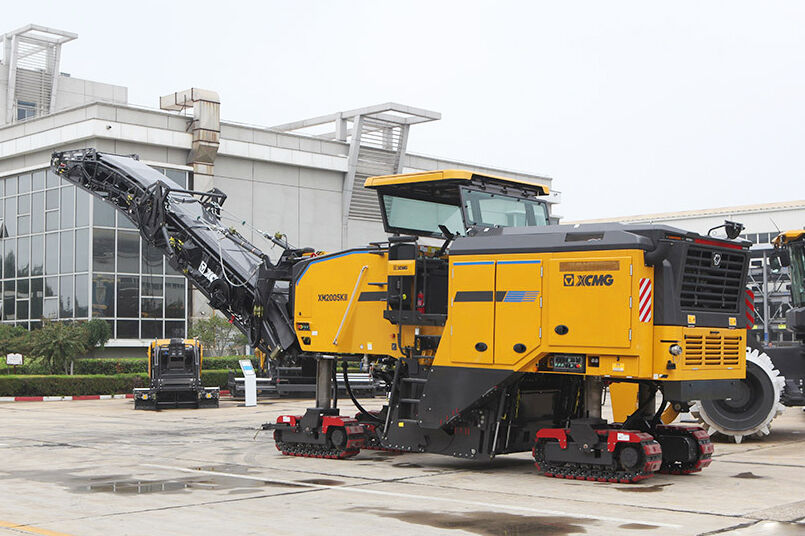
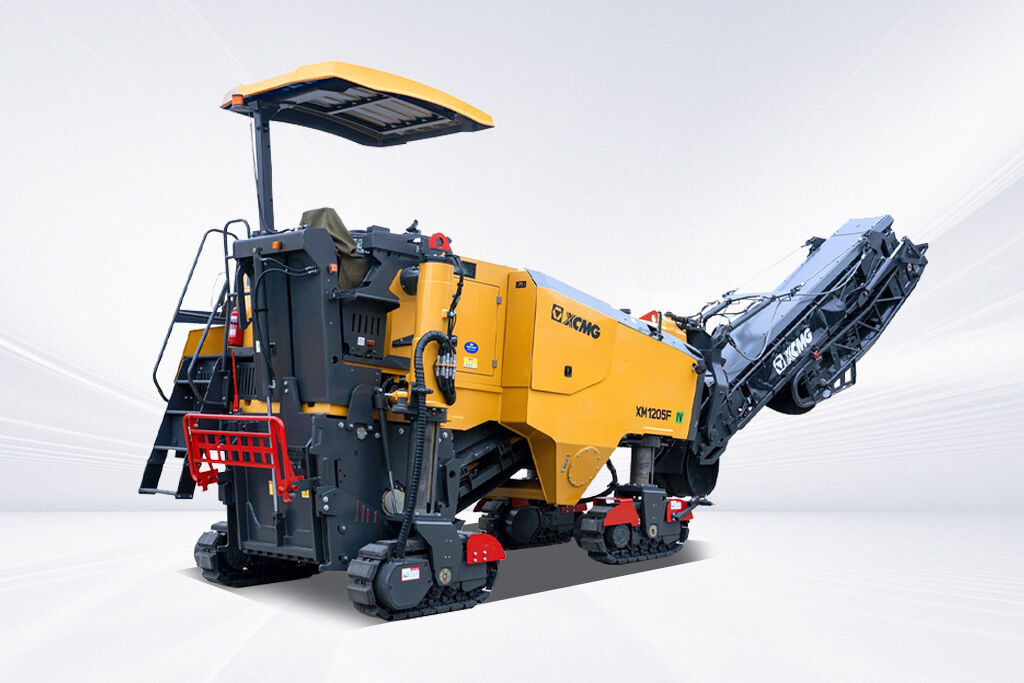
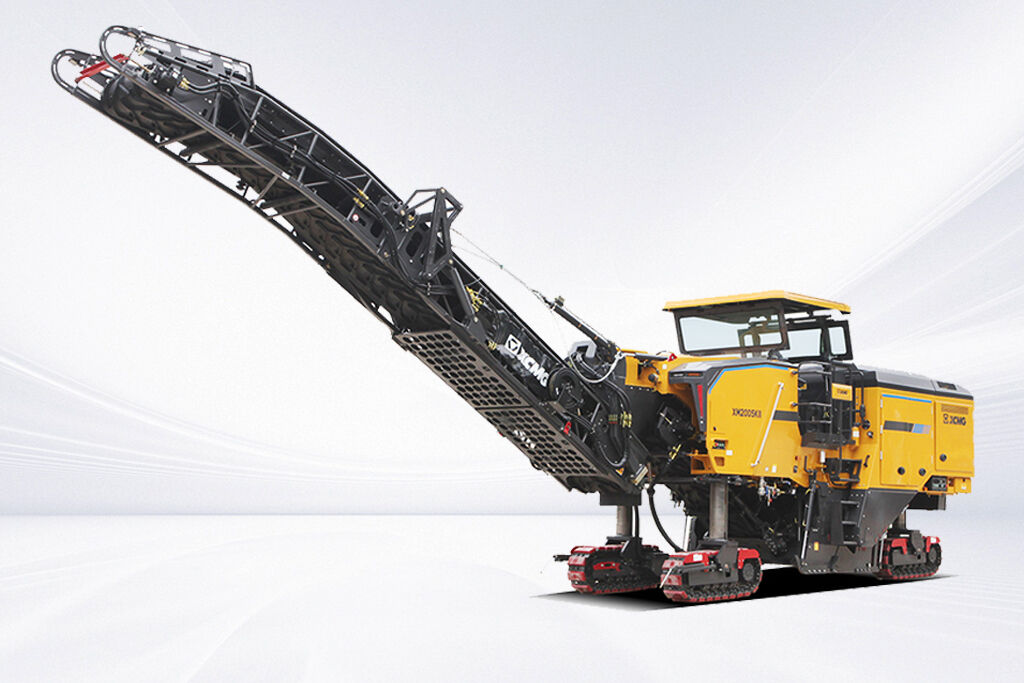
The cold milling machine price is the most scrutinized aspect of the procurement decision, representing far more than just a number on a tag; it is a quantitative expression of the equipment's intrinsic value and market positioning. This price is governed by a complex system of factors, with the machine's physical specifications being a primary driver. The milling width is a pivotal determinant; the cold milling machine price for a large unit capable of handling an entire lane in a single pass is naturally far higher than that for a narrow machine intended for utility patchwork. Similarly, engine power, maximum milling depth, and operating weight all directly influence the machine's productivity and durability, thereby directly impacting its price. Brand equity also plays a huge role; manufacturers with long histories and reputations for reliability and high performance command a higher cold milling machine price due to the assurance and extensive dealer service network they provide. Technological content, such as advanced auto-leveling systems, fuel-efficient engines, and digital fleet management integration, also adds to the cost of a new machine but offers long-term operational benefits.
Beyond the initial purchase price, astute buyers perform a key consideration: evaluating the total cost of ownership. This includes operational expenses like fuel consumption and routine maintenance, and more importantly, the cost of replacing high-wear parts like cutter bits and holders on the milling drum. The cost of these consumables can be significant and dramatically affect a project's ultimate profitability. Therefore, a machine with a lower initial cold milling machine price but rapid tool consumption or poor fuel efficiency may be more expensive in the long run than a unit with a higher upfront cost but more efficient operating expenses. This analysis of the total cost of ownership is crucial for calculating return on investment (ROI) and ensures the cold milling machine price is treated as a long-term investment rather than just an upfront expense.
For many contractors, the steep cold milling machine price makes purchasing new equipment difficult. This leads to the main advantage of the used market, which provides a vital alternative. The price of a used machine is significantly lower, freeing up capital for other business needs. However, buying a used cold milling machine requires careful scrutiny of hours of use, maintenance history, and overall mechanical condition to avoid potentially expensive repairs. Another popular option is rental, which effectively converts a fixed capital price into a variable operating expense, ideal for short-term projects or those wanting access to the latest technology without committing to the full purchase price. Ultimately, understanding the factors driving the cold milling machine price empowers contractors to make strategic decisions that balance performance, cost, and business objectives.

 EN
EN