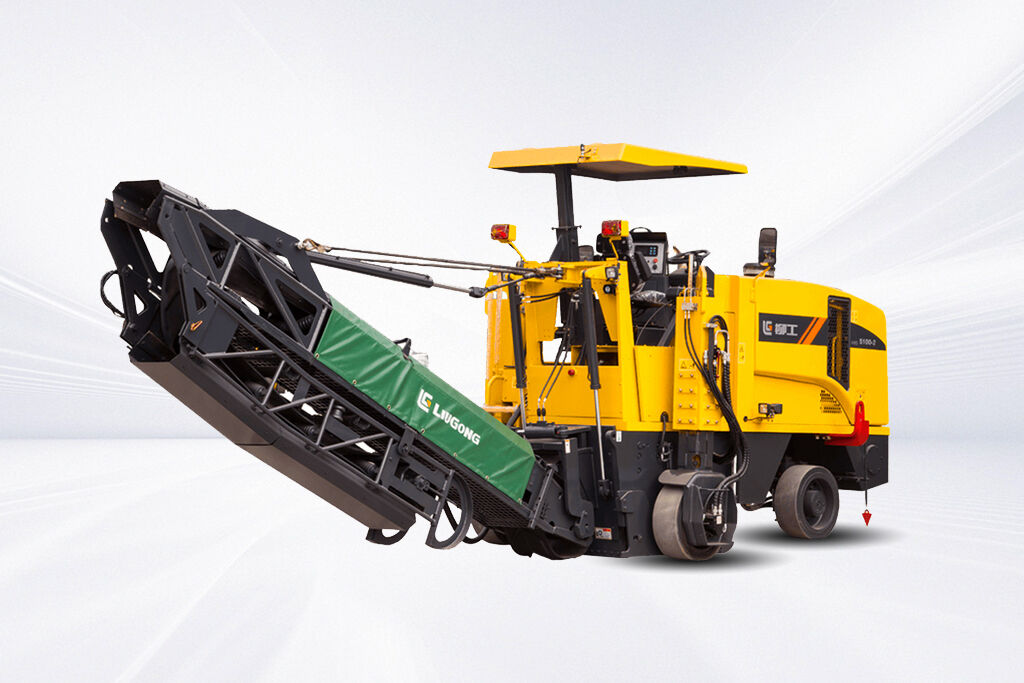
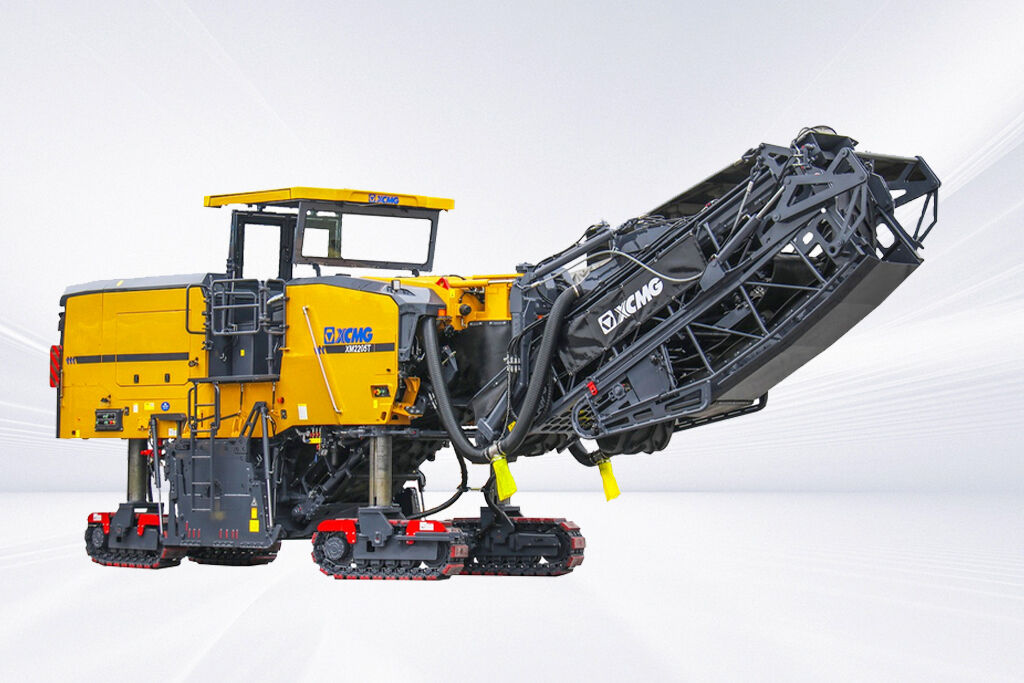
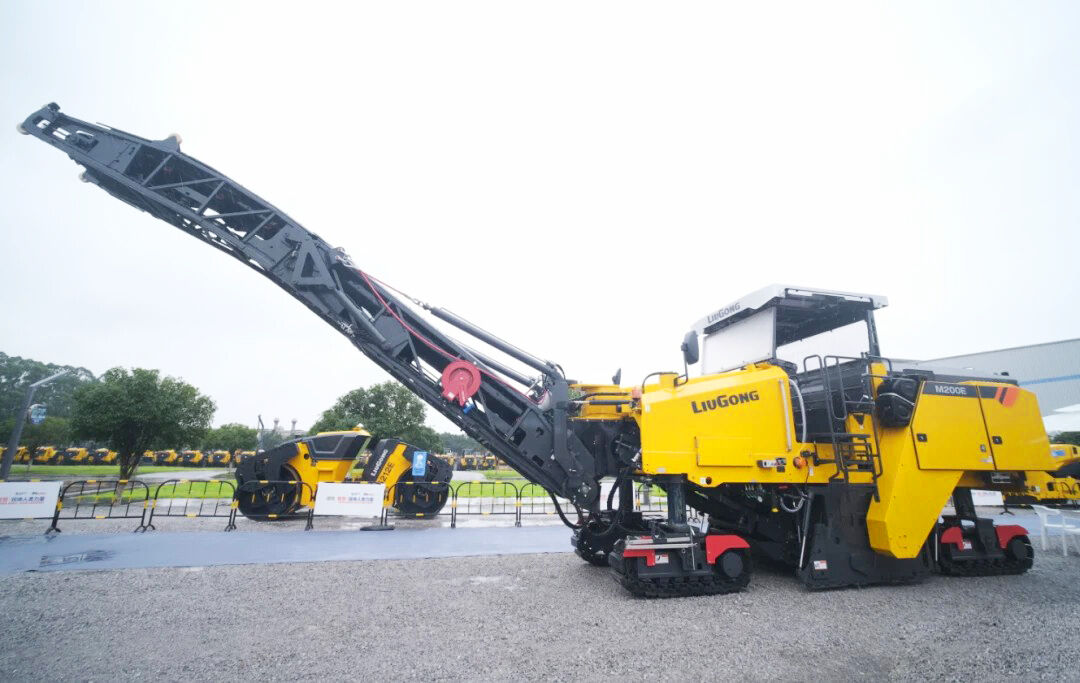
We are more than just equipment sellers; we are experts in the processes our machines enable. We have a deep understanding of asphalt cold milling and its role in sustainable infrastructure management. We educate our clients on best practices, techniques, and the economics of milling and recycling. This holistic approach ensures that our clients are not only equipped with the right machine but also with the knowledge to use it most effectively and profitably.
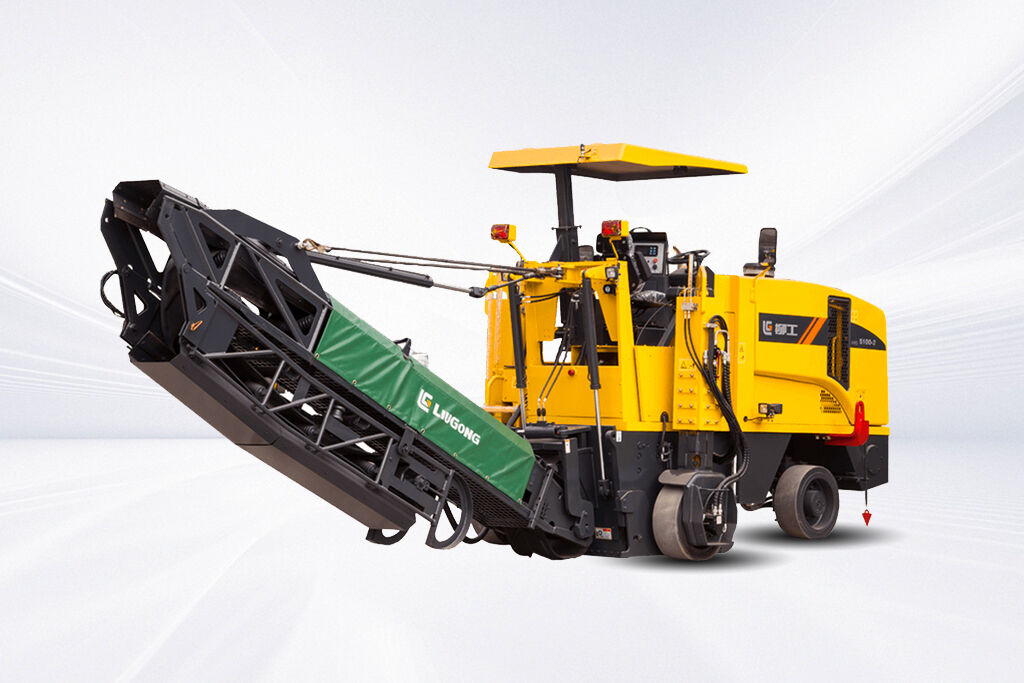
Asphalt Cold Milling is more than just removal; it is a precise engineering operation that sets the stage for a successful paving project. The quality of the milled surface directly influences the quality, durability, and smoothness of the new asphalt overlay. The process's effectiveness is defined by the technology embedded in the milling machine, with three features being paramount: the High-Efficiency Milling Drum with Carbide Tools, the Precision Auto-Grade and Slope Control System, and the Dust Suppression and Material Conveying System. These elements work in concert to ensure productivity, accuracy, and environmental responsibility.
The High-Efficiency Milling Drum is the core of the cold milling process. This massive, mechanically driven cylinder is mounted with a matrix of hundreds of tungsten carbide-tipped tools. The geometry of the drum, the arrangement of the tools, and its rotational speed are meticulously engineered to fracture the asphalt aggressively yet controllably. The carbide tips provide the necessary hardness and wear resistance to abrade the tough aggregate within the asphalt mix. The efficiency of the drum is measured by its ability to produce a uniform, sized material (RAP) and a consistent surface texture without causing excessive damage to the underlying base course. A well-designed drum ensures optimal power transfer from the engine, minimizing energy waste and maximizing production rates. The ability to quickly replace worn tools is also integral to maintaining this efficiency, ensuring the machine can sustain its productivity throughout a project with minimal interruption.
The Precision Auto-Grade and Slope Control System is what elevates cold milling from a simple demolition task to a high-precision grading operation. This computerized system is responsible for achieving the exact final profile specified by the project engineers. It uses non-contact sonic sensors or laser receivers to reference a benchmark grade line or a digital 3D model. The system's computer processes this data in real-time and sends commands to hydraulic valves that adjust the height and tilt of the milling drum. This happens continuously as the machine moves forward, automatically compensating for any deviations in the existing pavement surface. The result is a milled surface that is perfectly smooth, level, and has the precise cross-slope required for proper water drainage. This accuracy is non-negotiable; it ensures the subsequent asphalt overlay is of consistent thickness, which is critical for its structural integrity and longevity. It also creates a smooth ride for the public and eliminates the need for corrective milling or wasting excessive asphalt to fill low spots.
Complementing these is the Integrated Dust Suppression and Material Conveying System. Cold milling generates significant dust and debris, making environmental control a necessity. A pressurized water spray system is integrated into the milling chamber. It strategically sprays water at the cutting points to suppress dust at the source, improving air quality for workers and the surrounding environment, and complying with regulations. Simultaneously, the milled material (RAP) must be efficiently removed. An independently driven conveyor system, often capable of swinging left and right and adjusting in height, collects the RAP from the drum housing and transports it to a waiting dump truck. The efficiency of this system is crucial for continuous operation; it must handle the volume of material produced without spillage or clogging. This allows for non-stop milling, maximizing productivity and ensuring the valuable RAP is neatly collected for recycling, turning waste into a resource and reducing the project's environmental footprint and material costs.

 EN
EN