
 EN
EN
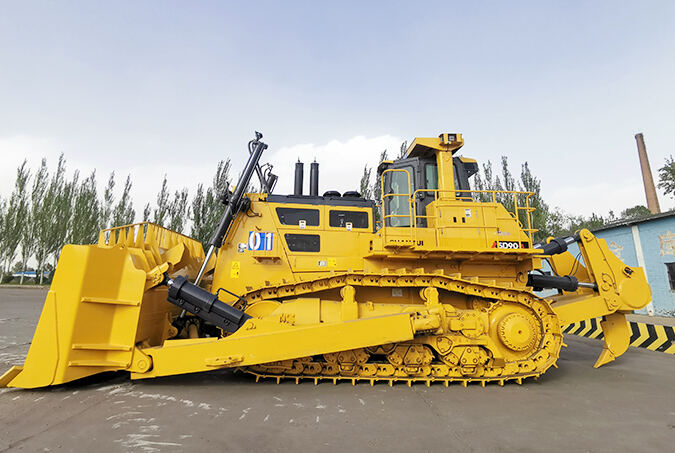
Technical Background
In the evolving landscape of heavy machinery, bulldozer construction plays a decisive role in shaping modern infrastructure projects. As a research and development engineer, I have witnessed how the bulldozer has transformed from a basic earth-moving machine into a highly specialized system designed for productivity, efficiency, and resilience. Across highways, mining operations, and urban development projects, bulldozers are at the forefront of improving operational speed and reducing total project costs.
The foundation of bulldozer construction efficiency lies in the combination of structural durability, innovative drivetrain systems, and advanced parts integration. Unlike earlier designs that focused purely on brute force, today’s bulldozers emphasize balance between power and adaptability. The introduction of long-life undercarriage components has significantly increased machine uptime, reducing the frequency of replacement cycles. Meanwhile, impact-resistant transmission systems allow bulldozers to sustain continuous heavy loads, maintaining traction and torque even under severe stress.
Another crucial advancement in bulldozer construction is the establishment of globalized parts supply networks. Construction companies across continents can now access standardized replacement parts quickly, minimizing downtime caused by logistical delays. This globalization ensures that contractors and fleet managers do not face operational bottlenecks, regardless of project location.
By combining robust mechanical systems with global support infrastructure, bulldozer construction technology has reached a new phase of efficiency. Today’s machines are not only engineered to withstand harsh environments but also designed with lifecycle cost optimization in mind. As we analyze their technical principles and application cases, it becomes clear that bulldozers are no longer just tools of force, but intelligent systems redefining modern construction.
Technical Principles Analysis
The efficiency of bulldozer construction is underpinned by three critical design features: long-life undercarriage components, impact-resistant transmission systems, and globalized parts supply support. Each of these innovations represents years of engineering refinement, ensuring that bulldozers remain indispensable assets in demanding construction environments.
Long-Life Undercarriage Components
Long-life undercarriage components form the backbone of bulldozer construction durability. The undercarriage bears the brunt of stress when traversing uneven terrain, rocky sites, or muddy ground. Modern designs utilize wear-resistant materials, reinforced track shoes, and advanced metallurgy techniques to extend operational life. Engineers have optimized the geometry of rollers and idlers to reduce vibration and distribute weight evenly, minimizing premature wear. By extending the maintenance interval, these components reduce total cost of ownership and allow bulldozers to work continuously without frequent downtime.
Impact-Resistant Transmission Systems
Impact-resistant transmission systems further enhance bulldozer construction efficiency. Unlike conventional gearboxes, these systems are engineered with shock-absorbing elements and high-torque converters capable of handling sudden load variations. When bulldozers encounter abrupt resistance—such as compact rock or dense soil—the transmission absorbs the impact, preventing gear slippage or structural damage. Engineers integrate electronic control modules to ensure smooth shifting between gears, which not only improves operator comfort but also maximizes fuel efficiency. This synergy between mechanical durability and digital control marks a leap in bulldozer reliability.
Globalized Parts Supply Support
Globalized parts supply support is the third pillar of bulldozer construction efficiency. The concept is simple yet transformative: no matter where a project operates, whether in remote mining regions or fast-growing urban centers, parts availability must be guaranteed. Manufacturers have developed international logistics hubs and strategic partnerships with regional distributors, ensuring standardized bulldozer parts are accessible within days. This eliminates the costly downtime once associated with specialized machinery repair. For fleet managers, the assurance of global supply chains enhances trust and long-term investment in bulldozer construction fleets.
Integrating these principles results in machines that embody resilience and adaptability. Long-life undercarriage components reduce lifecycle expenses, impact-resistant transmissions guarantee sustained productivity under extreme conditions, and globalized support ensures operational continuity. Together, these systems establish bulldozer construction as an essential driver of efficiency.
From a technical standpoint, the interaction of these components is worth emphasizing. The undercarriage stabilizes the machine and distributes load effectively; the transmission channels engine power into usable torque with resilience; and the global parts network ensures the system remains serviceable for decades. This interconnected design philosophy underlines the engineering depth that has made bulldozer construction a global standard.
Industry Application Cases
The practical impact of bulldozer construction can be observed across diverse sectors, from large-scale infrastructure projects to specialized mining operations. Each case study highlights how the combination of long-life undercarriage systems, impact-resistant transmissions, and global parts support contributes to tangible improvements in productivity and cost control.
Case 1: Highway Expansion in Southeast Asia
In a recent highway expansion project across mountainous terrain, bulldozer construction equipment was essential in cutting through slopes and stabilizing embankments. The machines’ long-life undercarriage components allowed them to endure weeks of continuous operation on abrasive rocky ground. Unlike older bulldozers that required frequent undercarriage replacement, the modern models maintained performance with minimal servicing. The impact-resistant transmissions were particularly beneficial when shifting between compact soil and fractured rock, ensuring torque stability and reducing mechanical breakdowns. With the backing of global supply support, parts were available locally, enabling the contractor to maintain a 95% fleet utilization rate throughout the project.
Case 2: Open-Pit Mining in South America
In mining applications, bulldozer construction efficiency is tested to its limits. In one open-pit mine, machines operated under constant exposure to dust, moisture, and heavy loads. Traditional bulldozers would typically experience frequent downtime due to transmission failure under such conditions. However, the adoption of impact-resistant transmission systems significantly reduced breakdown frequency. The mining company also benefited from the global supply network, which ensured that replacement rollers and drive components were shipped within 72 hours, avoiding costly interruptions in mineral extraction.
Case 3: Urban Infrastructure in Europe
Bulldozer construction also plays a role in highly regulated urban projects. In the development of a metro system in a European city, bulldozers with advanced undercarriage components were selected for excavation tasks. The machines provided consistent ground traction in confined underground environments where soil stability varied daily. The long-life undercarriage design minimized vibration, reducing noise pollution—an important factor in densely populated urban areas. The globalized parts support system ensured compliance with regional environmental and safety standards, as all components carried certified documentation for European use.
Case 4: Renewable Energy Projects in Africa
For renewable energy projects, such as wind farm construction in remote desert regions, bulldozer construction efficiency was crucial. Harsh conditions demanded machines that could operate continuously despite sand erosion and temperature fluctuations. Impact-resistant transmission systems absorbed sudden loads when clearing uneven ground, while the global supply network guaranteed that even in remote settings, critical parts could be delivered quickly. The result was the timely completion of energy infrastructure, highlighting bulldozers’ role in enabling sustainable development.
Across these applications, a clear pattern emerges: bulldozer construction efficiency is not theoretical, but a proven factor driving timely project completion, cost control, and global scalability.
Future Technology Trends
Looking ahead, the evolution of bulldozer construction will be defined by digital integration, sustainability, and advanced material science. The foundation of long-life undercarriage, impact-resistant transmissions, and global parts support will remain central, but future designs will push boundaries further.
One clear trend is the integration of intelligent monitoring systems. Sensors embedded in undercarriage components will provide real-time wear data, allowing predictive maintenance to replace parts before failure. Similarly, transmission systems will adopt AI-driven control algorithms to optimize power distribution under varying loads, enhancing fuel efficiency and reducing emissions.
Sustainability will also guide bulldozer construction innovation. Manufacturers are already exploring hybrid powertrains and alternative fuels such as hydrogen or bio-diesel to reduce carbon footprints. These sustainable bulldozers will be coupled with recyclable materials in undercarriage components, further extending the lifecycle and minimizing environmental impact.
Global supply networks will evolve into digitalized ecosystems, leveraging blockchain for transparent part tracking and drones for last-mile delivery in remote areas. This transformation will make bulldozer construction fleets more autonomous, reducing dependency on manual inventory systems and ensuring maximum uptime.
Ultimately, the bulldozer of the future will not only embody mechanical resilience but also intelligent adaptability. With advancements in smart materials, digital systems, and green technologies, bulldozer construction will continue to revolutionize efficiency in infrastructure projects worldwide. The trajectory is clear: bulldozers will remain indispensable, but their role will expand from brute force machines to intelligent, eco-friendly partners in global construction.