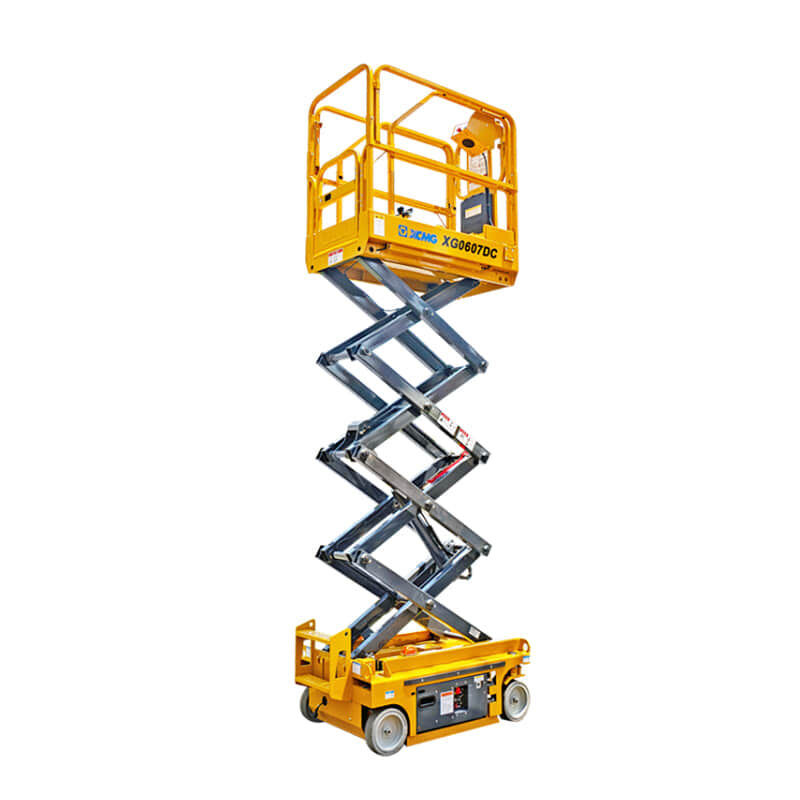
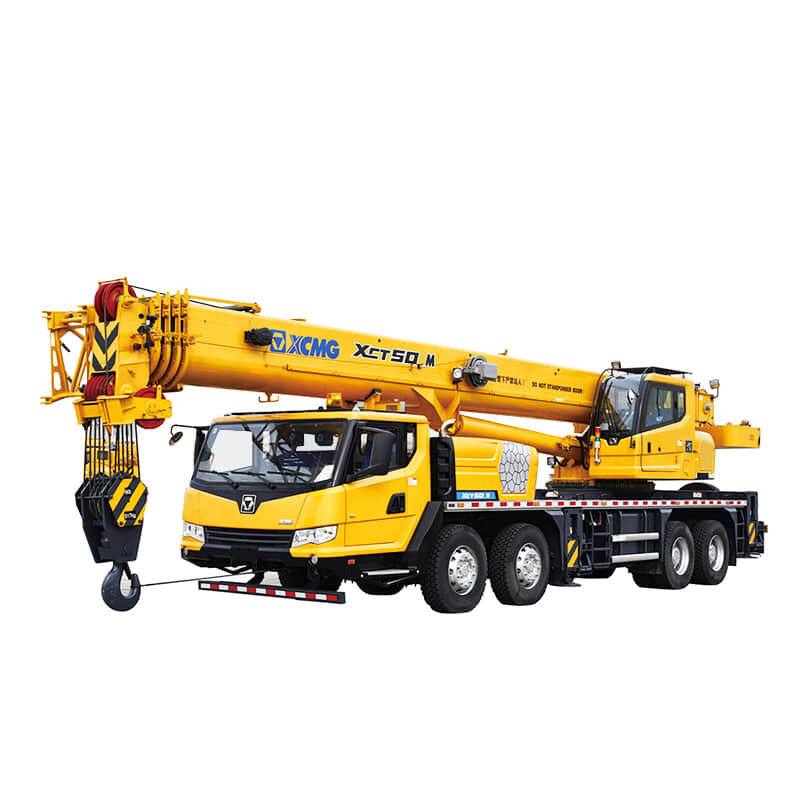
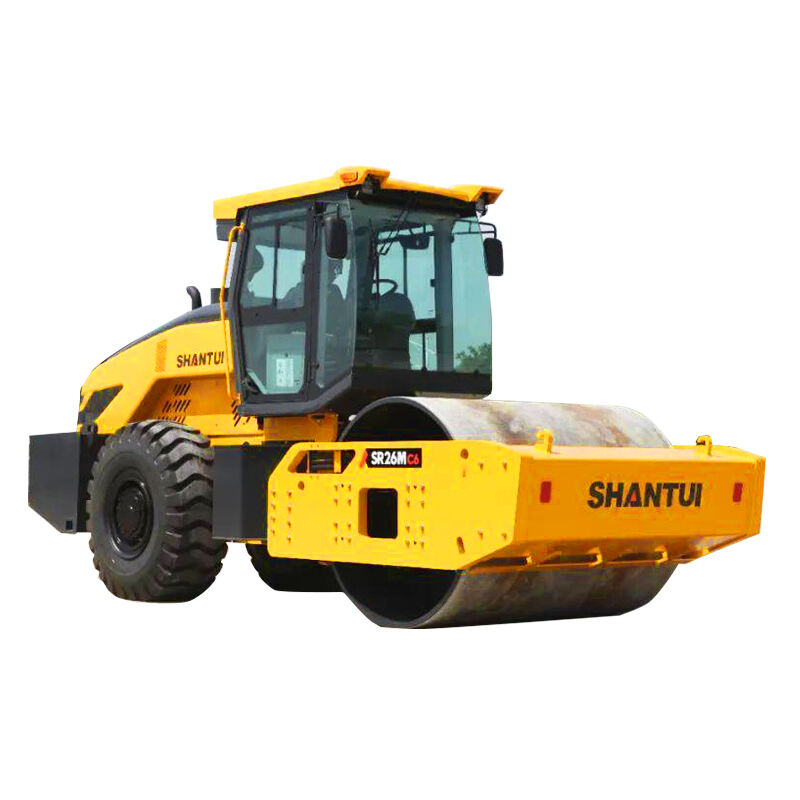
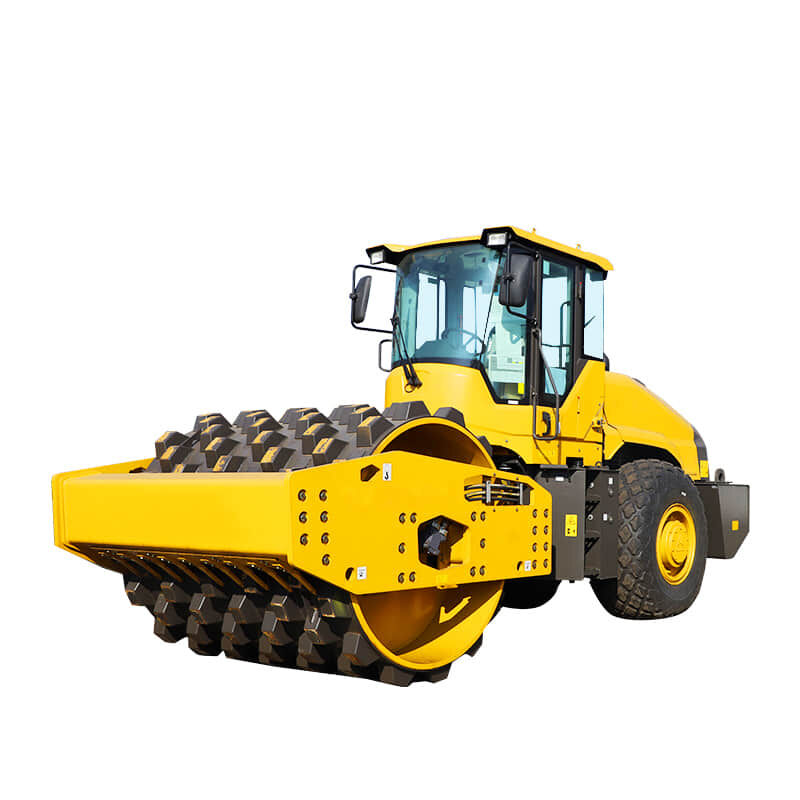
The company is committed to providing first-class products that adhere to international quality and safety standards. By sourcing machinery from reputable manufacturers and conducting rigorous quality control processes, Shanghai Famous Machinery Co., Ltd. ensures that its equipment performs reliably and safely in demanding environments.
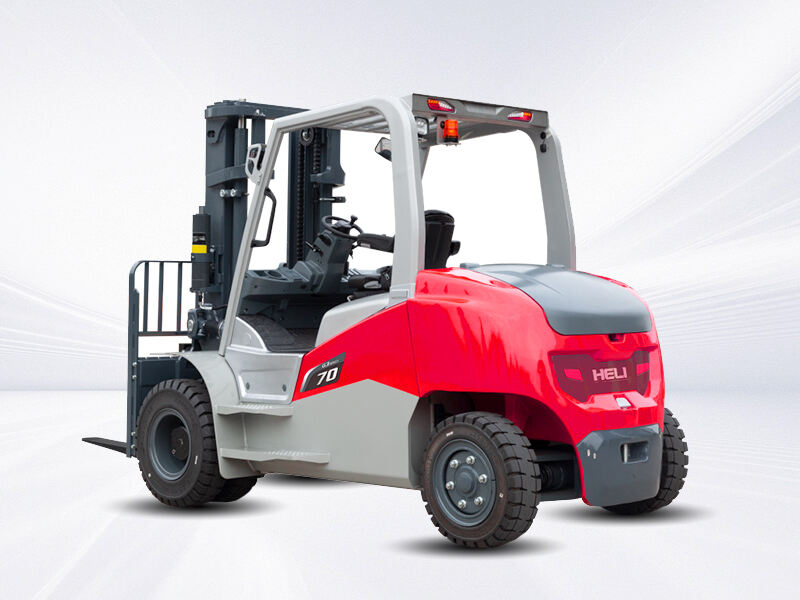
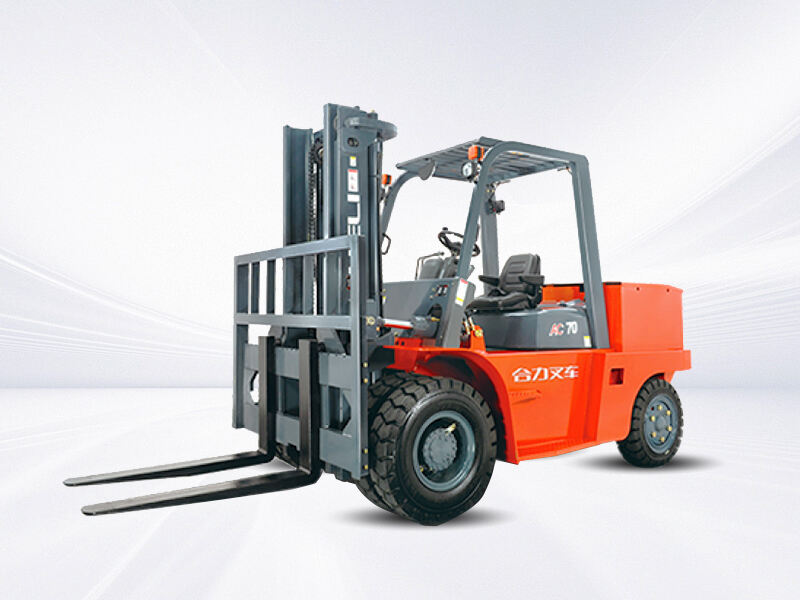
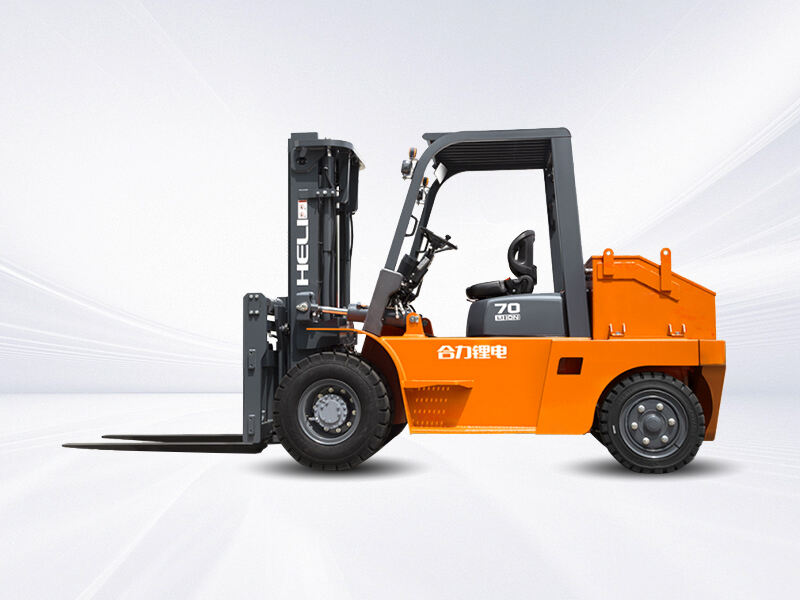
A 7-ton forklift is not merely a larger version of a standard warehouse forklift; it is a specialized piece of heavy equipment engineered from the ground up to manage immense weights with precision, stability, and utmost safety. Operating at this scale introduces profound engineering challenges that are met through three critical design elements: an ultra-robust structural and lifting system, a powerful and meticulously calibrated powertrain, and comprehensive stability and safety mechanisms that are integral to its operation.
The entire structure and lifting mechanism of a 7-ton forklift is built with massive strength in mind. The frame is constructed from high-grade, high-tensile steel, often with extensive reinforcement and cross-bracing to resist the immense bending and torsional forces generated when lifting a 7-ton load at distance. The mast is a critical component—it is typically a heavy-duty triple or quad stage upright made from thick steel plates. The hydraulic system powering it is equally formidable, featuring large-bore cylinders, high-capacity pumps, and robust valves designed to move substantial volumes of hydraulic fluid under extreme pressure to raise and lower these tremendous loads smoothly and controllably. Any hesitation or jerkiness in the hydraulics is unacceptable at this weight class. The forks themselves are massive, often capable of being adjusted widely to accommodate large and unevenly weighted objects.
To propel this heavily-built machine and its multi-ton payload, a high-output, high-torque powertrain is essential. A 7-ton forklift is almost exclusively powered by a large displacement diesel engine, chosen for its superior torque characteristics. This engine must provide immense low-RPM pulling power to accelerate the combined weight of the truck and load, which can easily exceed 15-20 tons. The transmission and axles are heavy-duty industrial units designed to handle this torque without failure. The drivetrain is calibrated not for speed, but for controlled, predictable power delivery. Operators need smooth, gradual acceleration and deceleration to maintain load stability. The braking system is also paramount, featuring large, high-capacity disc or drum brakes, often with hydraulic boosters, to bring this immense mass to a safe and controlled stop.
Above all else, stability and safety systems are the most crucial aspect of a 7-ton forklift's design. The principle of counterbalancing is taken to an extreme; the rear counterweight is a massive block of iron or steel, constituting a significant portion of the truck's total weight, to prevent a catastrophic forward tip. Stability is further enhanced by a wide wheelbase and a low center of gravity. Modern 7-ton forklifts are equipped with sophisticated electronic safety systems. A Load Moment Indicator (LMI) is mandatory. This system uses sensors on the mast and chassis to constantly monitor the load weight, lift height, and boom angle (if equipped with a reach mechanism). It calculates the actual load moment and will automatically restrict operation (e.g., prevent further lifting or forward reach) if it approaches a dangerous threshold, providing a critical layer of protection against operator error. This combination of brute-force engineering and intelligent electronic oversight ensures that these powerful machines can perform their Herculean tasks day in and day out with unwavering reliability and safety.

 EN
EN