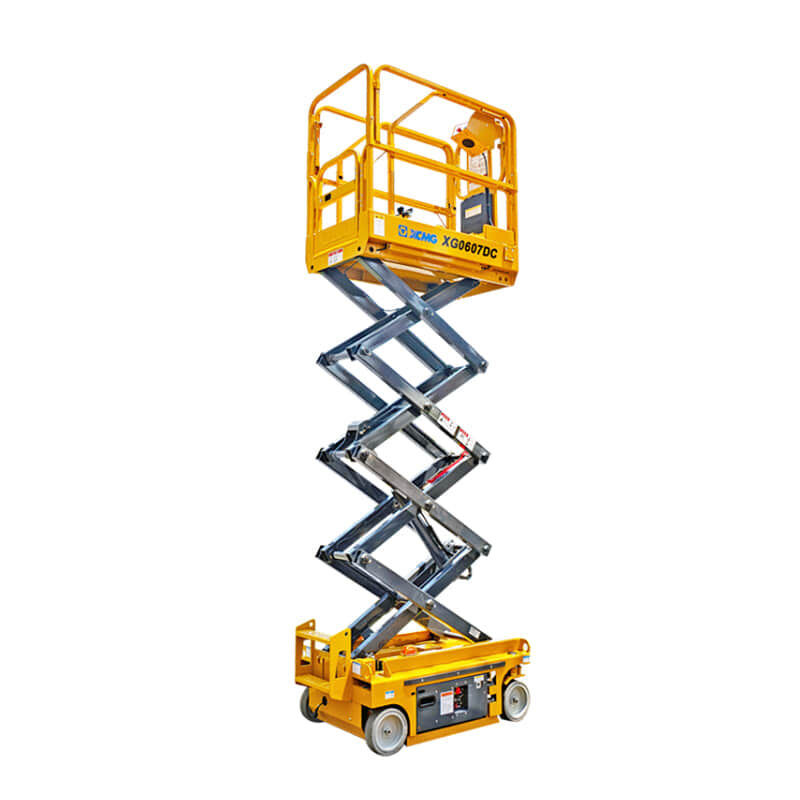
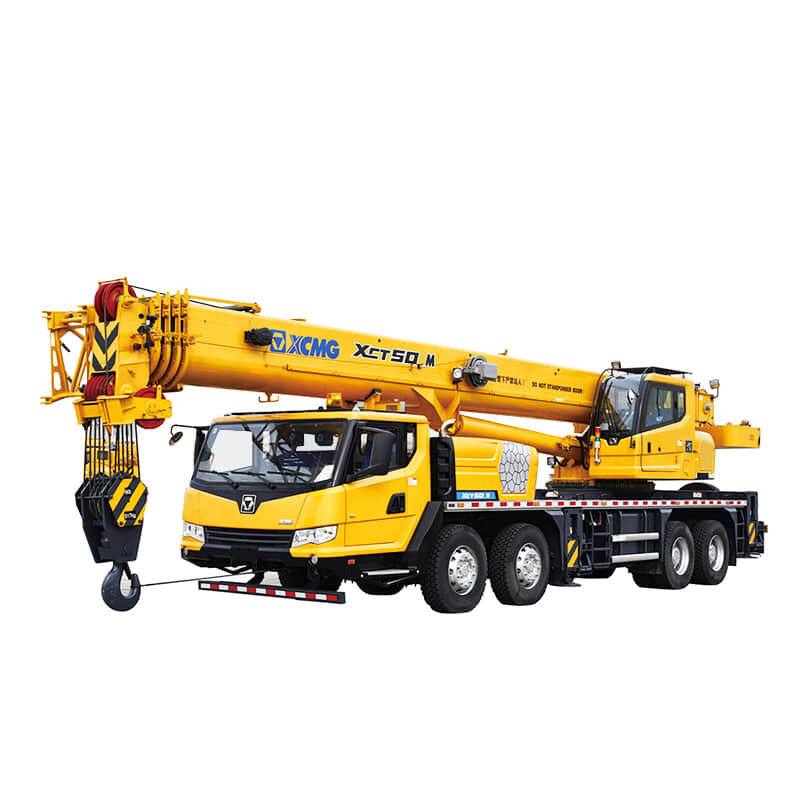
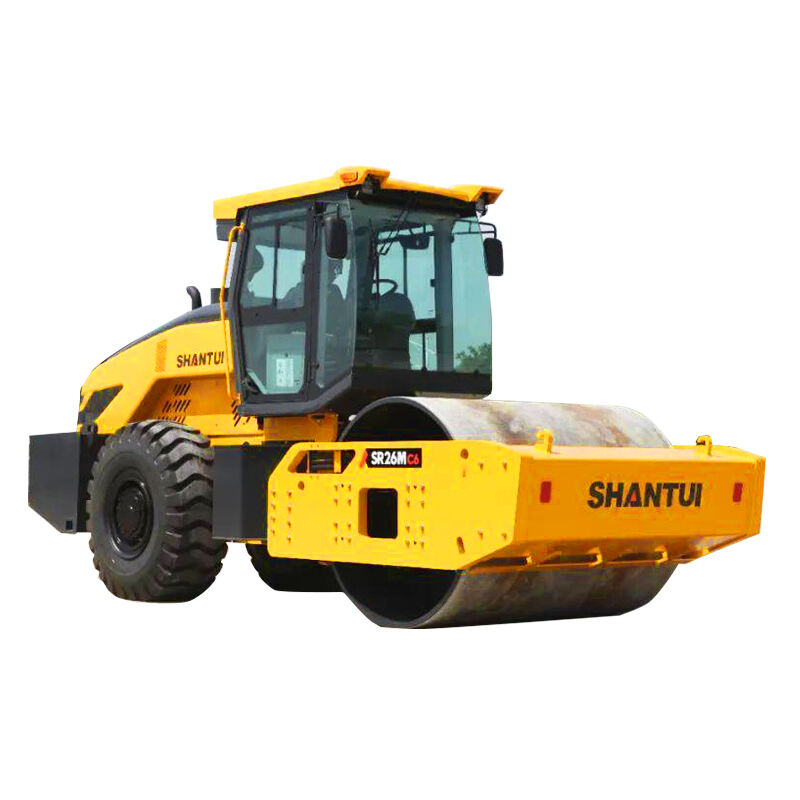
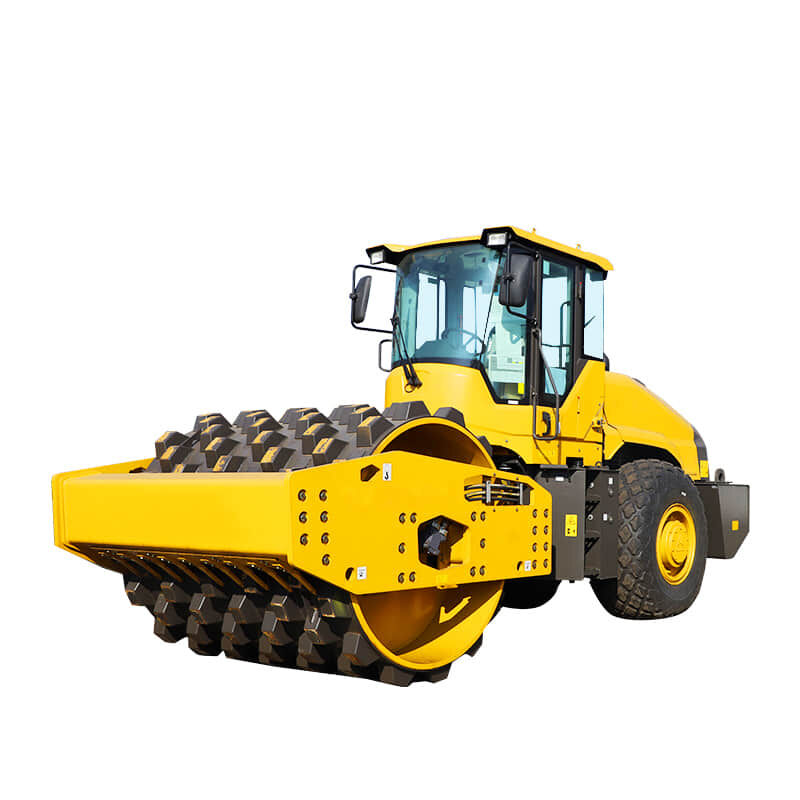
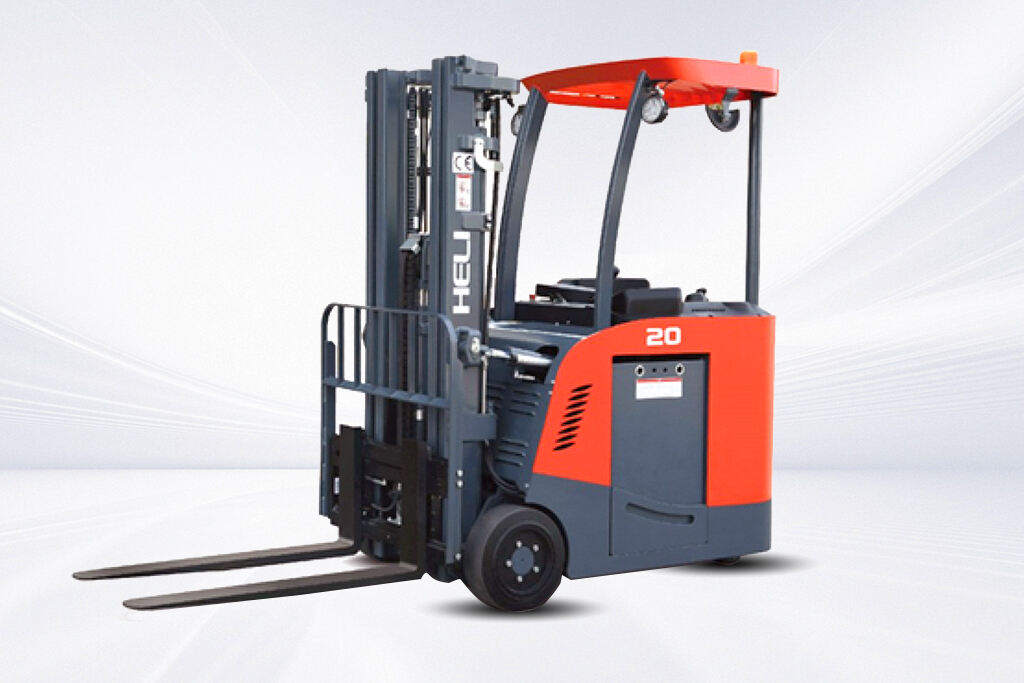
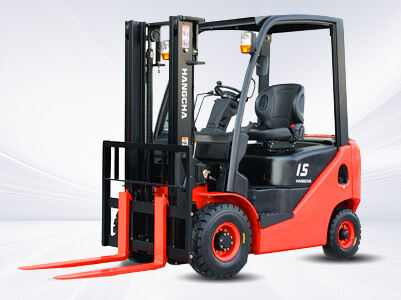
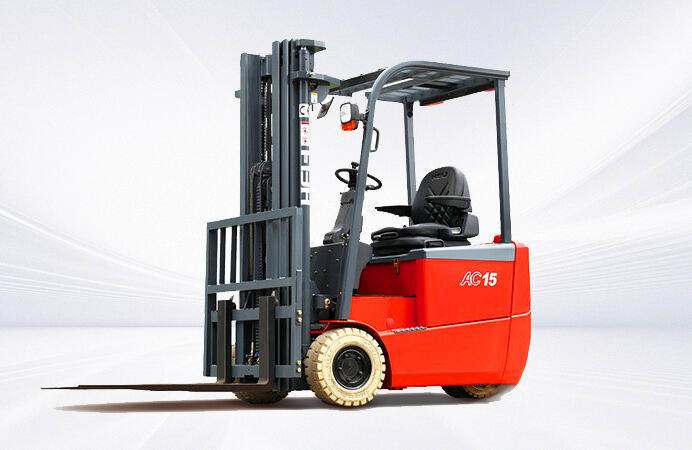
Shanghai Famous Machinery Co., Ltd. prioritizes timely delivery by offering high-quality logistics services. They utilize various transportation methods, including sea, air, road, and rail, to ensure that machinery reaches clients promptly and safely. Their efficient logistics network minimizes downtime for clients and supports the smooth execution of projects.
The diesel forklift is the embodiment of raw industrial power and relentless durability in the material handling sector. Its design philosophy prioritizes torque, endurance, and simplicity, making it the preferred choice for the most punishing applications. Its reputation is built upon three core strengths: the immense power and torque of its diesel engine, its ruggedized construction for extreme environments, and its operational practicality for continuous, high-uptime work cycles.
The diesel engine itself is the defining component. Diesel engines operate on compression ignition, which inherently produces higher torque at lower RPMs compared to gasoline or LP-gas engines. This high torque is perfectly suited for a forklift's needs: it provides the grunt to accelerate smoothly with a heavy load, climb steep gradients (like ramps into shipping containers), and power through soft or uneven ground without stalling. This low-end power translates to less gear shifting and more consistent performance under load. Modern diesel engines in forklifts are also increasingly efficient and incorporate technologies like turbocharging and advanced fuel injection to maximize power output while managing fuel consumption and meeting stricter emission regulations (e.g., EPA Tier 4 standards), often through the use of Diesel Particulate Filters (DPF) and Selective Catalytic Reduction (SCR) systems.
This powerful engine is housed within a heavy-duty, ruggedized chassis and frame designed to endure constant stress and shock. The construction site or shipping yard is a brutal environment with uneven surfaces, debris, and heavy impacts. The frame of a diesel forklift is built from reinforced steel to resist bending and twisting. The axles, mast, and forks are all over-engineered to handle not just the rated capacity, but the dynamic stresses of moving over rough terrain. The suspension, tires (often solid or heavy-duty pneumatic), and drive train are all selected for resilience and the ability to absorb shocks that would damage a lighter-duty machine. This robust build quality ensures exceptional longevity and minimizes downtime due to mechanical failure, even after years of the hardest use.
Beyond pure power and strength, the diesel forklift offers significant operational practicality. The primary advantage is refueling speed. A depleted tank can be refilled in just a few minutes, getting the forklift back to full operation almost immediately, whereas recharging an electric forklift's battery can take hours. This makes diesel models ideal for multi-shift operations where downtime for charging is not feasible. Furthermore, diesel fuel is widely available, stable in storage, and often represents a lower upfront capital investment compared to an equivalent electric model. While operating costs (fuel and maintenance) can be higher over time, the combination of high availability, rapid refueling, and lower purchase price makes the diesel forklift an economically compelling solution for demanding outdoor applications where continuous operation is critical.

 EN
EN