The company boasts a professional and dynamic international sales team adept at formulating comprehensive pre-sales and after-sales plans. This team ensures that clients receive personalized attention and support throughout their purchasing journey, from initial inquiry to post-delivery assistance, fostering long-term business relationships.
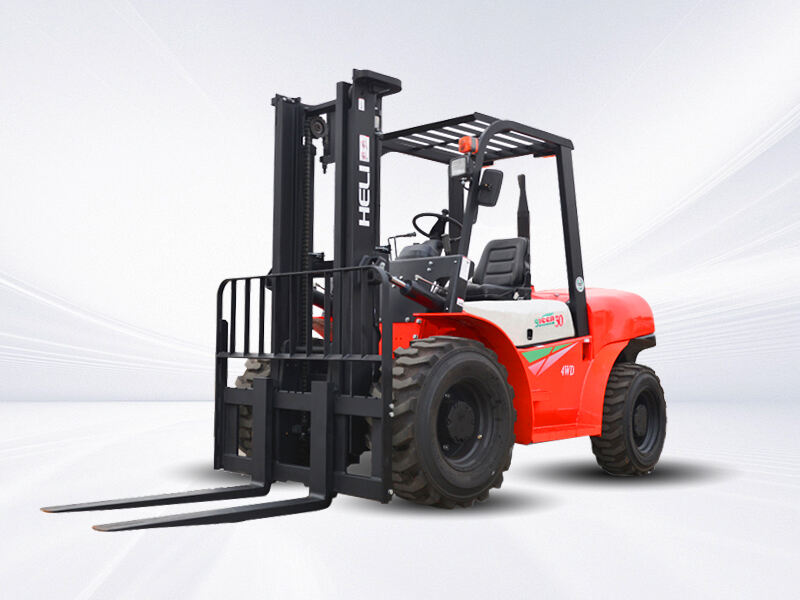
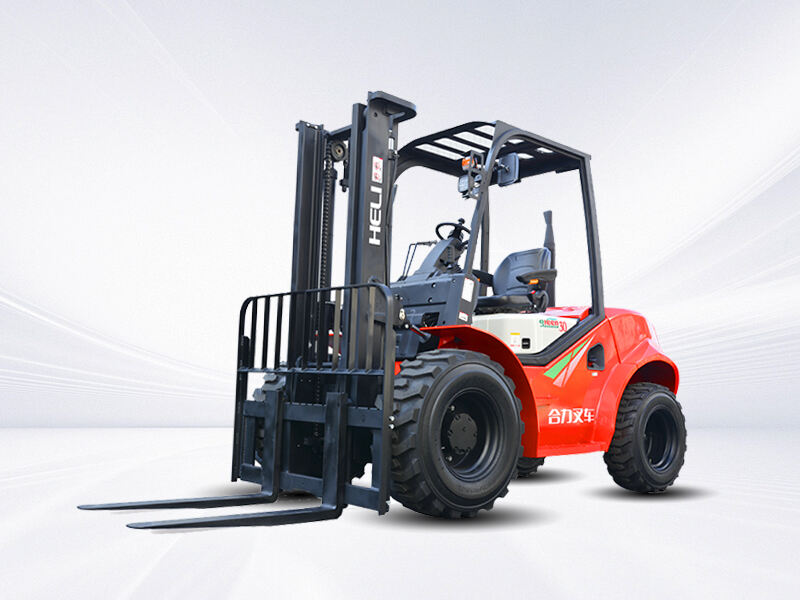
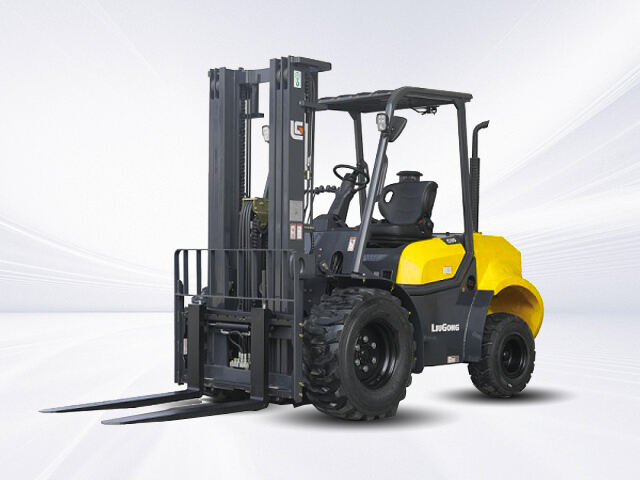
The all-terrain forklift is the ultimate off-road champion of the material handling world, purpose-built to perform demanding tasks in environments that would immobilize a standard forklift. It is a symphony of rugged engineering, powerful propulsion, and resilient design, all focused on delivering unwavering performance where it's needed most. Its capabilities are defined by three critical characteristics: its exceptional traction and drivetrain, its superior ground clearance and stability, and its durable, weather-resistant construction.
The heart of an all-terrain forklift's capability is its advanced four-wheel drive (4WD) system and traction control. Unlike standard forklifts that are often two-wheel drive, these machines power all four wheels simultaneously, dramatically increasing grip on loose, slippery, or soft surfaces. This is complemented by a robust differential lock system; when engaged, it forces both wheels on an axle to turn at the same speed, preventing wheel spin if one wheel loses traction. This is invaluable for escaping mud pits or climbing over obstacles. The tires themselves are a key feature—large, wide, and with deep, aggressive treads, they are designed to bite into soft ground, disperse weight evenly to prevent sinking, and provide a cushioning effect over rough terrain, protecting both the machine and its load from excessive shock.
This drivetrain is mounted on a chassis engineered for exceptional ground clearance and stability. The undercarriage is designed to be high off the ground to avoid catching on rocks, debris, and uneven patches of earth. This is crucial for navigating unfinished construction sites or rural landscapes. Furthermore, stability is paramount when lifting heavy loads on uneven ground. Many all-terrain forklifts feature oscillating axles or a flexible suspension system that allows the wheels to pivot and maintain full contact with the ground, even if one side is significantly higher than the other. This maximizes tire contact for traction and, more importantly, keeps the chassis level and stable during lifting operations, a critical safety factor that is rigorously engineered into the machine's design to prevent tip-overs.
Finally, every component of an all-terrain forklift is built with durability and weather resistance in mind. The operating environment is harsh, exposing the machine to dust, moisture, impacts, and constant vibration. The frame and critical structures are constructed from high-tensile steel to withstand twisting forces and heavy loads. Sealing throughout the machine is enhanced to protect vital components like engines, hydraulics, and electronics from water and abrasive dust ingress. Corrosion-resistant coatings and materials are used to combat the elements. The operator's cabin is often fully enclosed and sealed, not just for comfort with features like HVAC, but to protect the operator from the external environment. This ruggedized construction ensures high uptime, reduces maintenance intervals caused by environmental factors, and guarantees a long service life despite the punishing conditions it is designed to master.

 EN
EN