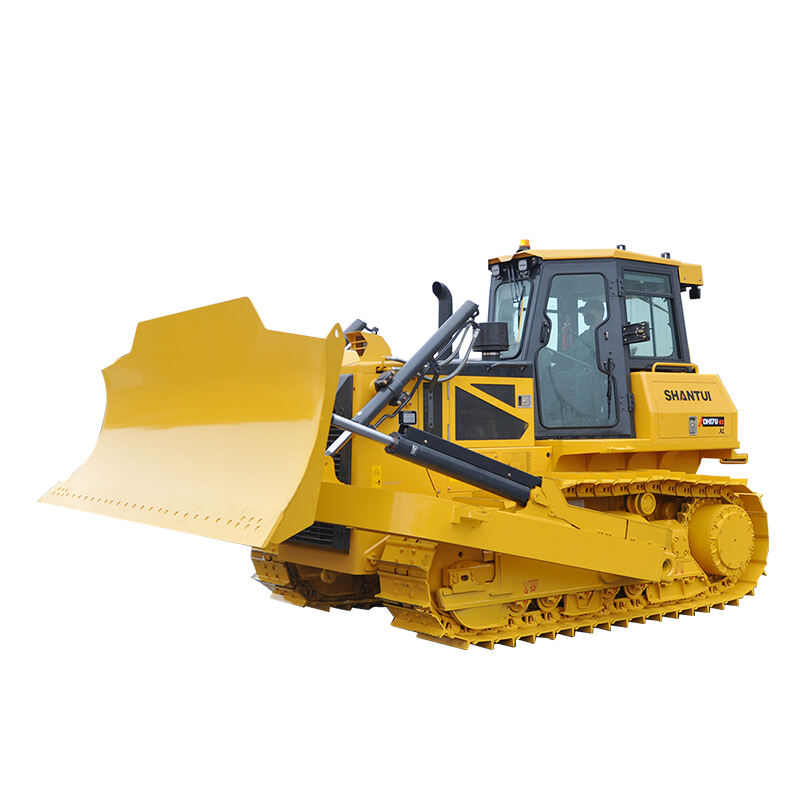
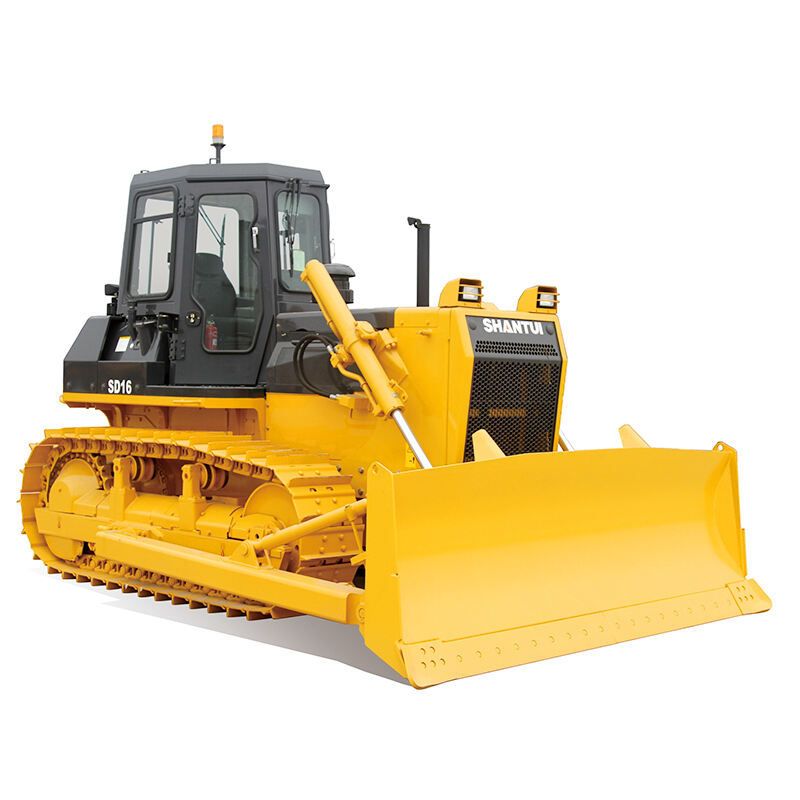
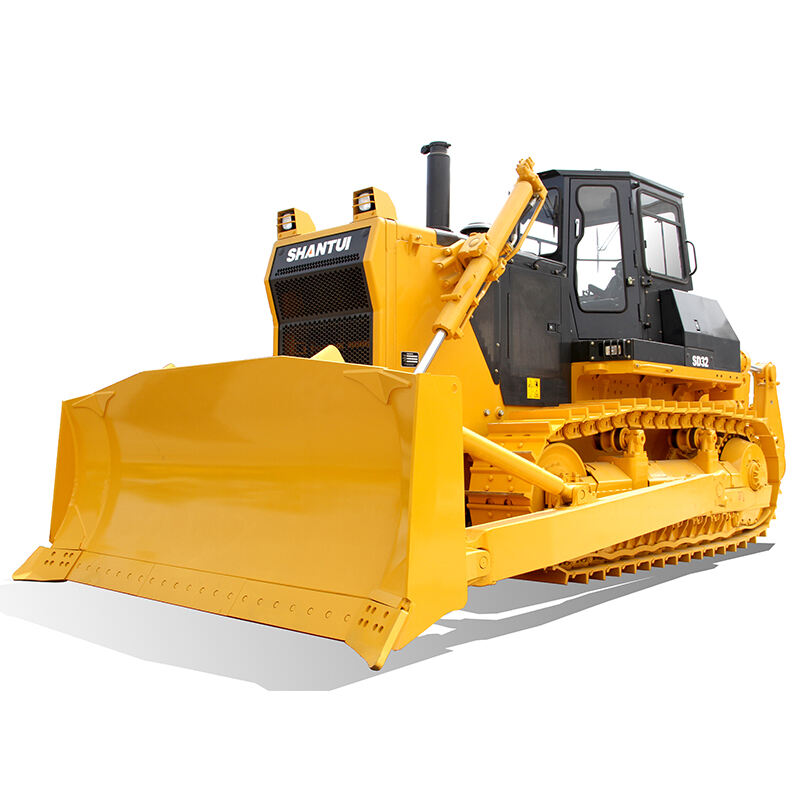
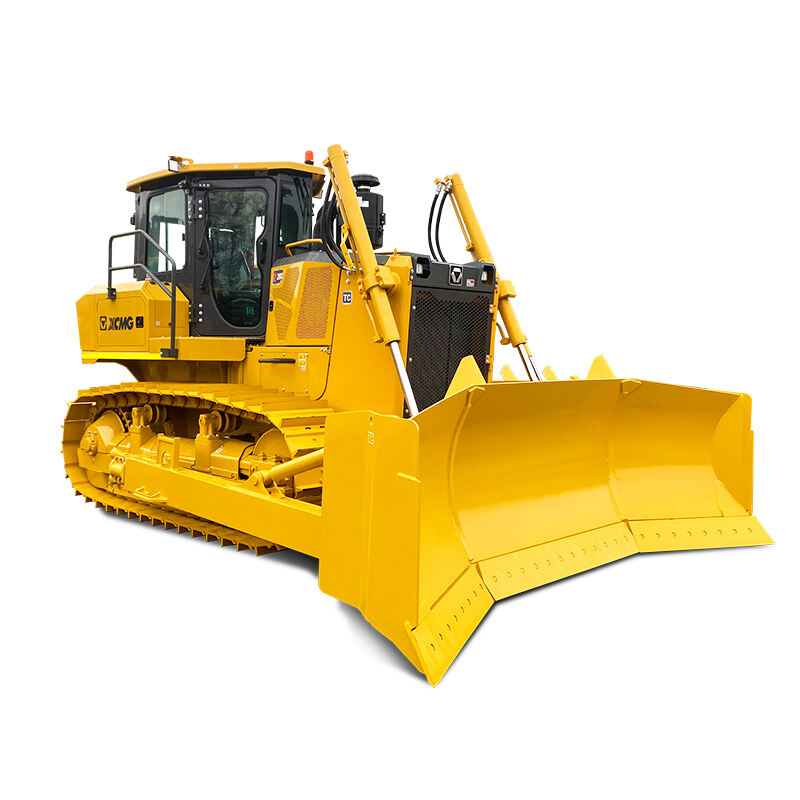
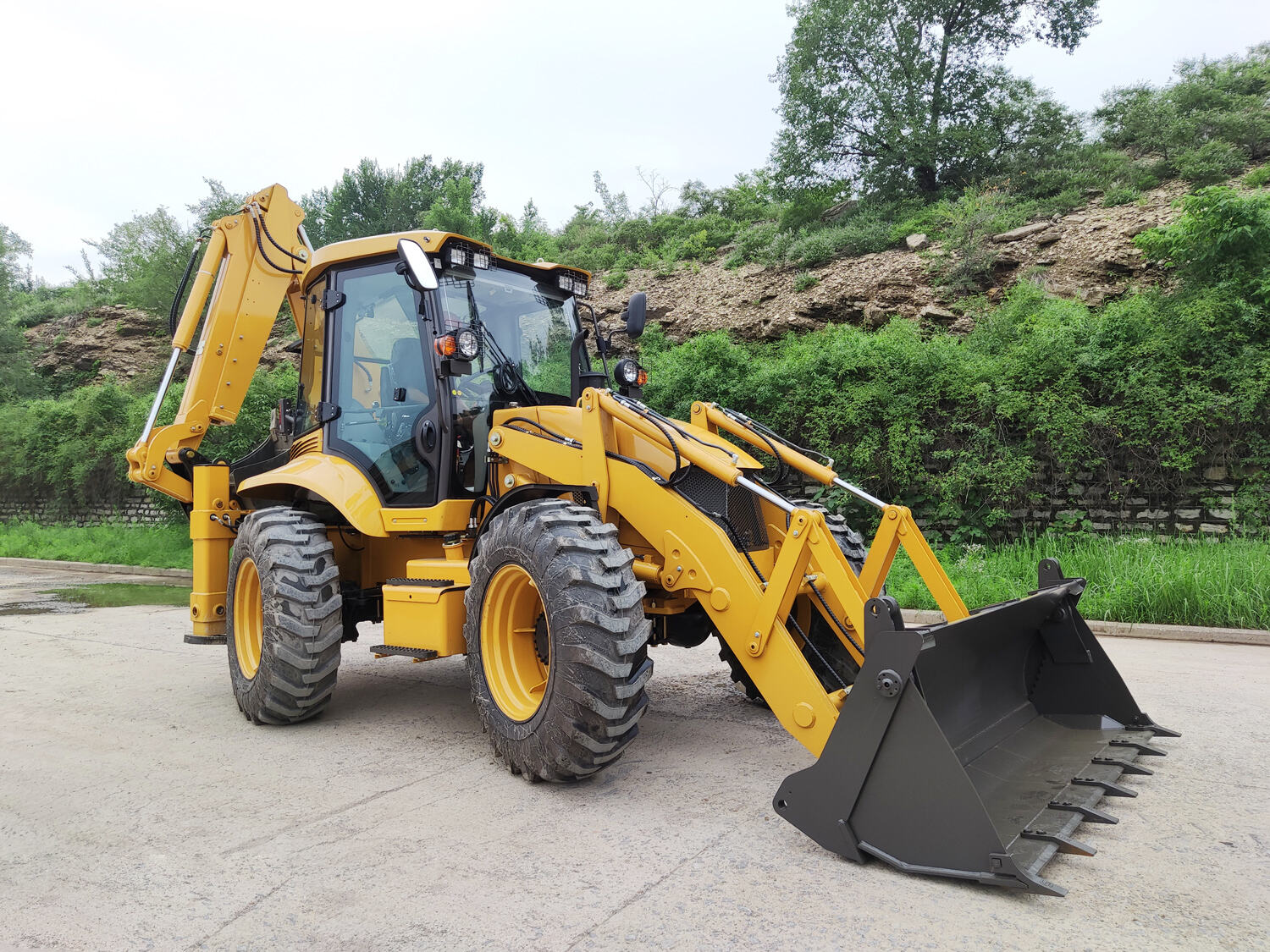
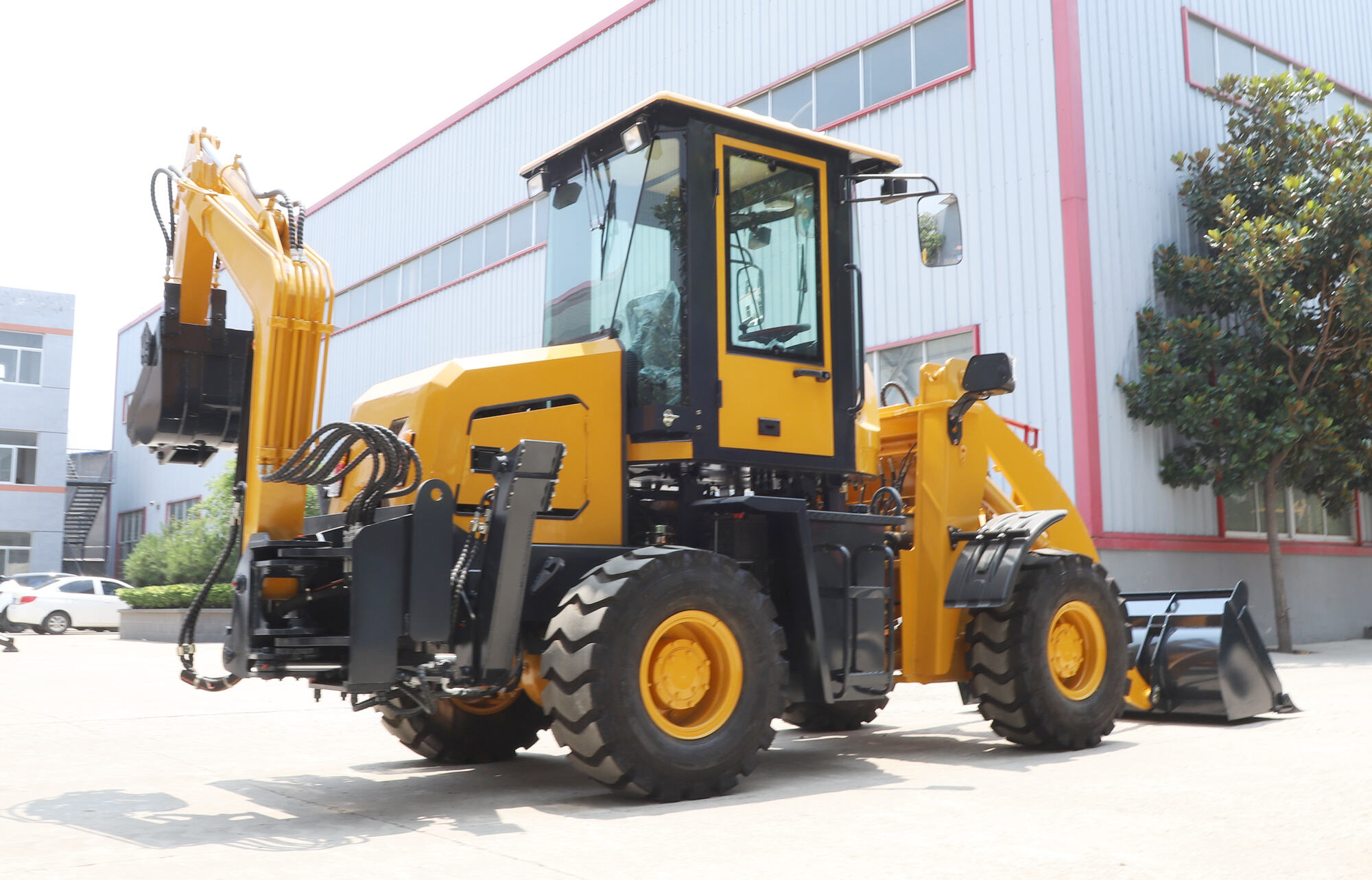
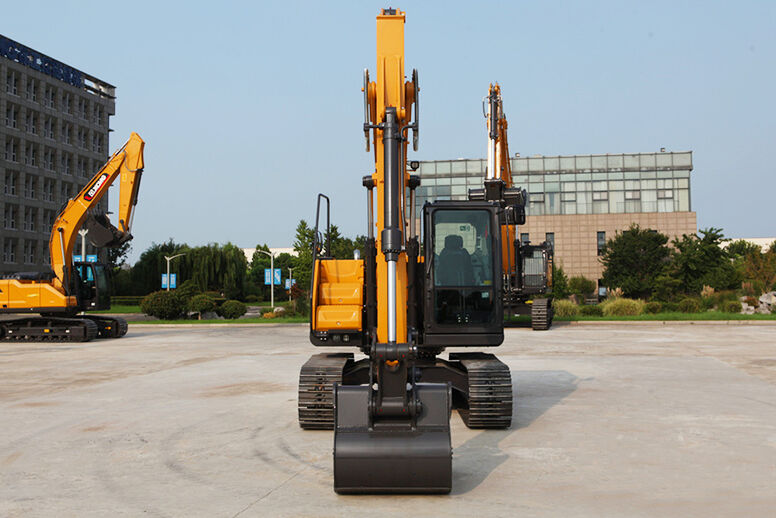
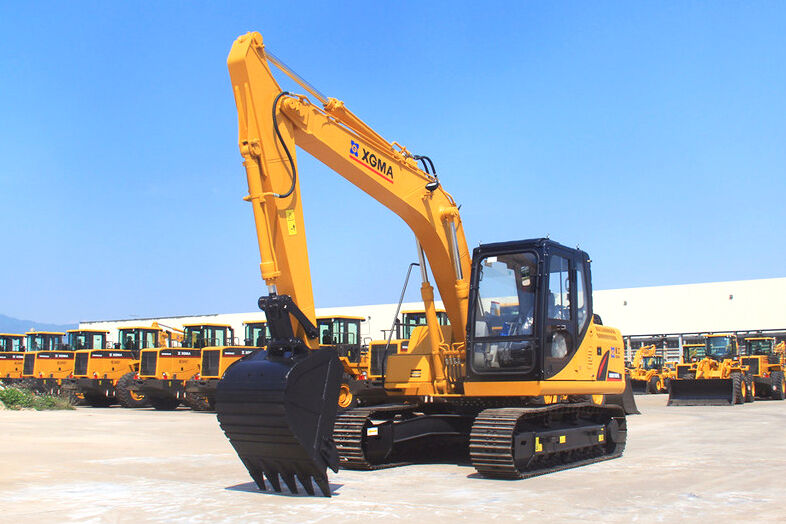
Shanghai Famous Machinery Co., Ltd. offers an extensive range of engineering machinery and parts, catering to diverse industrial needs. Their product lineup includes earthmoving machinery such as excavators, bulldozers, and wheel loaders; road construction equipment like road rollers and motor graders; lifting machinery including truck cranes and aerial work platforms; concrete machinery such as concrete pumps and mixer trucks; drilling rigs; logistics equipment like forklifts; and agricultural machinery including tractors and harvesters. This comprehensive portfolio ensures that clients can source all their machinery requirements from a single trusted supplier.
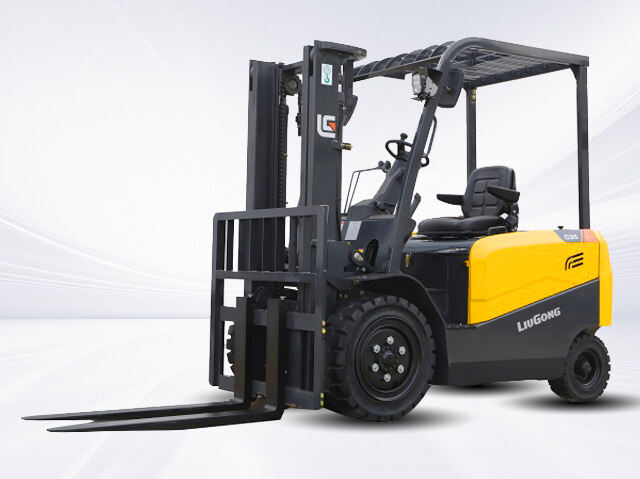
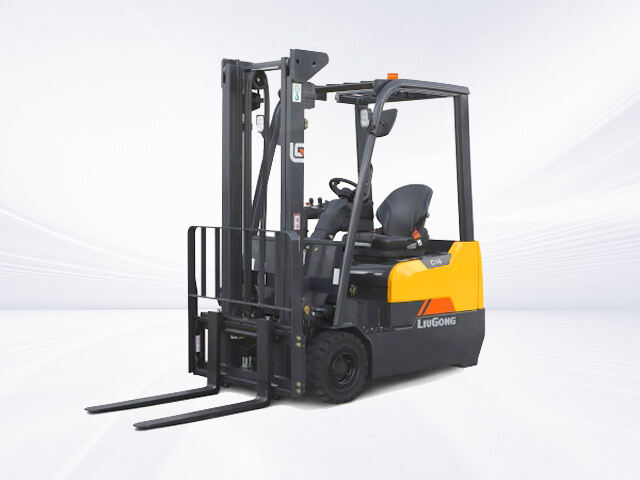
The modern forklift is a sophisticated piece of material handling equipment, engineered for maximum reliability, operator comfort, and operational efficiency. Its design integrates robust mechanical systems with advanced ergonomic and technological features to tackle the demanding challenges of daily industrial use. Among its numerous features, three stand out as particularly critical for performance and productivity: the mast assembly with its precise hydraulic control, the operator-centric cabin design, and the powerful yet efficient drive systems.
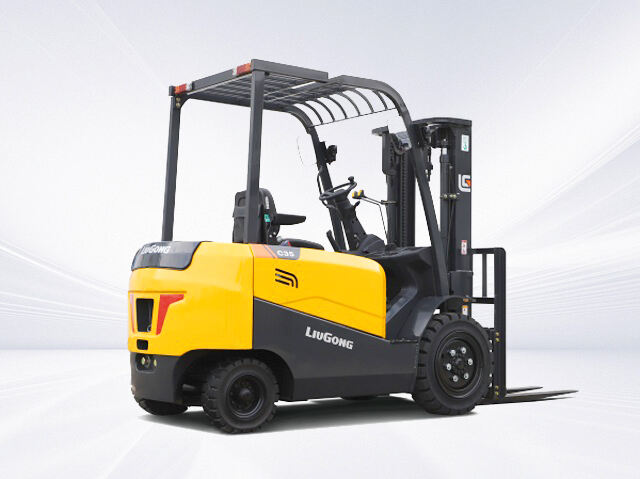
The heart of a forklift's lifting functionality is its mast and hydraulic system. The mast, constructed from high-strength steel, is designed to elevate loads smoothly and steadily to significant heights, often exceeding 20 feet. The hydraulic system, powered by a robust pump, provides the precise control necessary for delicate placement of heavy goods. Operators benefit from intuitive control levers that manage fork height, tilt angle (both forward and backward), and in many models, side-shifter functionality. This precise control allows for accurate stacking in high-bay warehouses with narrow aisles, minimizing product damage and maximizing storage density. The stability of the entire system is ensured by the forklift's fundamental design, which often includes a counterweight at the rear to balance the load being lifted at the front.
Operator comfort and safety are paramount in modern forklift design. The operator's compartment, or cabin, is meticulously crafted to reduce fatigue and enhance control during long shifts. Features include a fully adjustable suspension seat, easy-to-reach controls, and a clear view of the forks and load through the mast. Safety is reinforced by structures like the overhead guard (protecting from falling objects) and ROPS (Roll-Over Protective Structure). Furthermore, ergonomic considerations such as low step heights, ample legroom, and vibration damping systems contribute significantly to operator well-being. Modern forks also incorporate electronic displays that provide real-time data on performance parameters, fuel levels, and diagnostic information, enabling the operator to work efficiently and preempt potential issues.
Finally, the choice of powertrain is a defining characteristic. Forklifts are available with internal combustion (IC) engines running on diesel, gasoline, or LP-gas, ideal for heavy-duty outdoor applications due to their high power and rapid refueling. Alternatively, electric forklifts, powered by large battery packs, have become the standard for indoor use. They produce zero emissions at the point of use, operate with significantly lower noise levels, and offer reduced operating costs over their lifespan. Many electric models feature regenerative braking, which recovers energy during deceleration to extend battery life. The drivetrain, whether mechanical or electric, is designed for excellent traction and smooth acceleration, even when carrying full loads, ensuring safe and predictable handling in various working conditions. This combination of powerful, precise lifting mechanics, a safe and comfortable operator environment, and adaptable, efficient propulsion systems makes the forklift an irreplaceable tool in global logistics and manufacturing.

 EN
EN