
 EN
EN
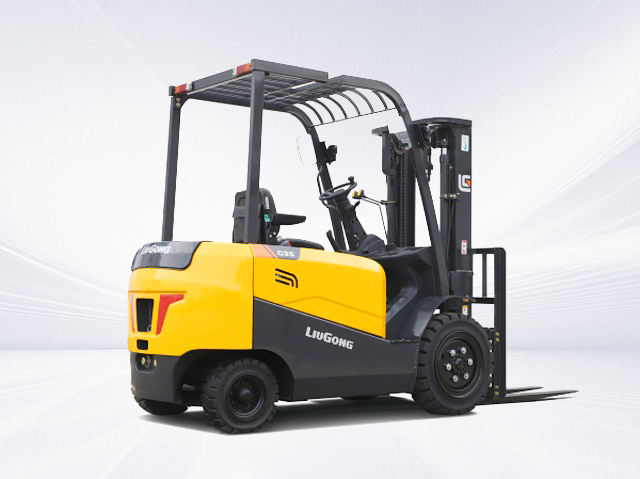
Effective forklift maintenance is the foundation of operational excellence in any warehouse, distribution center, or industrial facility. When a forklift breaks down unexpectedly, the ripple effects extend far beyond the machine itself—production schedules slip, labor costs rise, and customer deliveries face delays. Companies that prioritize proactive forklift care experience significantly lower downtime rates and substantially reduced repair expenses compared to those relying on reactive maintenance approaches. Understanding the connection between regular forklift upkeep and financial performance is essential for operations managers seeking to optimize their material handling investments.
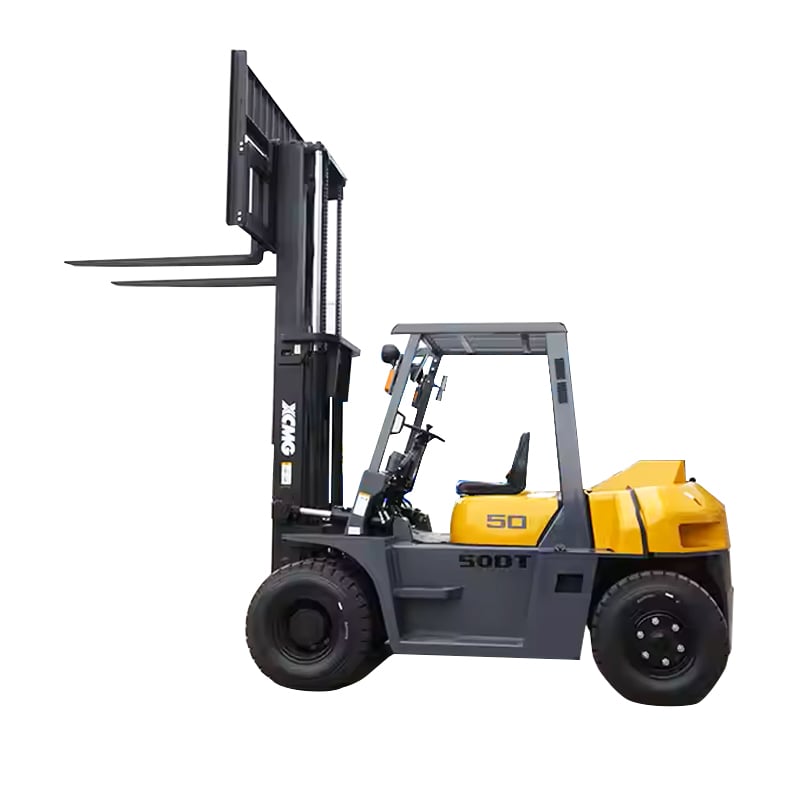
The financial case for forklift maintenance is compelling and measurable. A single unplanned forklift breakdown can cost a facility thousands of dollars in lost productivity, emergency repair service fees, and rented replacement equipment. By implementing a structured maintenance program for your forklift fleet, you create a predictable cost environment, extend equipment lifespan, and maintain consistent operational capacity. This article explores how proper forklift maintenance directly reduces downtime and repair costs while delivering long-term strategic advantages to your organization.
Understanding the True Cost of Forklift Downtime
The Hidden Impact of Unplanned Forklift Failures
Unplanned forklift downtime creates cascading operational problems that extend well beyond the warehouse floor. When a critical forklift suddenly becomes unavailable, material movement slows or stops, creating bottlenecks in receiving, storage, and shipping operations. The forklift that remains idle cannot move pallets, load trucks, or organize inventory, forcing other equipment to work harder and staff to become frustrated. Emergency repair calls typically command premium pricing, diagnostic fees accumulate rapidly, and replacement parts may require expedited shipping. The total cost of a single forklift failure often reaches $500 to $2,000 depending on the duration of downtime and the urgency of repairs needed.
How Forklift Maintenance Prevents Costly Interruptions
Preventive forklift maintenance operates on a fundamentally different economic principle than reactive repairs. When maintenance is scheduled during low-activity periods, service technicians can address wear and potential failures before they develop into catastrophic breakdowns. A routine forklift inspection might reveal a worn hydraulic seal that costs $150 to replace during planned downtime, preventing an emergency repair that could cost $1,500 and consume several days of lost productivity. This maintenance strategy transforms forklift care from a cost center into an investment that preserves asset value and operational stability. Facilities with structured forklift maintenance programs report 40% to 60% reductions in unplanned downtime compared to reactive maintenance approaches.
Core Maintenance Practices That Reduce Forklift Repair Costs
Essential Daily and Weekly Forklift Inspection Routines
Daily forklift inspections form the frontline defense against equipment failure and represent the most cost-effective maintenance investment. Before each shift, operators should check fluid levels, inspect tire condition, verify brake responsiveness, and examine the forklift mast and load backrest for visible damage. These five-minute checks cost virtually nothing but catch developing problems early when they remain inexpensive to address. Weekly forklift inspections should expand to include a more detailed examination of hydraulic hoses, electrical connections, lights, and chains. Documenting these forklift observations in a maintenance log creates a valuable record that helps technicians identify patterns and predict when major forklift components will require replacement or overhaul.
Scheduled Maintenance Intervals and Their Financial Benefits
Implementing a structured schedule for forklift maintenance ensures that routine service occurs at optimal intervals rather than waiting for symptoms to appear. Most forklift manufacturers recommend oil changes every 500 operating hours, filter replacements every 1,000 hours, and comprehensive forklift inspections every 2,000 hours or annually. These forklift maintenance intervals prevent lubricant degradation, reduce internal component wear, and allow technicians to replace parts before they fail. Following manufacturer-recommended forklift service schedules typically costs 30% to 50% less than emergency repairs resulting from deferred maintenance. A forklift that receives consistent maintenance also maintains better resale value, making the maintenance investment recoverable when equipment eventually requires replacement or upgrading.
Strategic Forklift Fleet Management for Downtime Reduction
Building Redundancy and Predictive Capacity Planning
Facilities managing multiple forklifts benefit from treating the fleet as an interconnected system rather than individual machines. By maintaining one backup forklift for every five operational units, you create capacity to absorb scheduled maintenance without impacting production. Strategic forklift placement ensures that essential functions maintain coverage even during planned service windows. Predictive maintenance software tracks forklift operating hours, component age, and performance metrics to forecast maintenance needs before they become urgent. This approach transforms forklift management from reactive crisis response into proactive resource planning, allowing maintenance teams to schedule service during low-demand periods when downtime creates minimal operational impact.
Training and Accountability in Forklift Operations
Operator training represents an often-underestimated lever for reducing forklift damage and extending equipment life. Operators who understand proper load handling, correct speed selection, and smooth braking practices cause significantly less mechanical stress and component wear. When operators understand how their driving habits directly affect maintenance costs and downtime frequency, accountability naturally increases. Many facilities implement a forklift operator incentive program that rewards months without damage-related repairs, creating cultural engagement around equipment care. Well-trained operators also serve as the first line of defense for identifying emerging forklift problems, reporting unusual sounds or handling changes that enable early intervention before failures cascade into expensive repairs.
Measuring and Optimizing Your Forklift Maintenance ROI
Key Metrics for Tracking Forklift Downtime Reduction
Establishing baseline metrics provides essential visibility into how forklift maintenance investments translate into operational benefits. Mean time between forklift failures (MTBF) measures the average operating hours between breakdowns and should improve consistently with maintenance implementation. Mean time to forklift repair (MTTR) tracks how quickly service teams restore failed equipment and indicates whether inventory of replacement parts and skilled technicians proves adequate. The percentage of planned versus unplanned forklift downtime reveals the effectiveness of your maintenance scheduling approach. Facilities that advance from 80% unplanned downtime to 20% unplanned downtime while reducing total downtime by 50% demonstrate the powerful impact of structured forklift maintenance programming.
Cost Tracking and Continuous Improvement
Detailed financial tracking of forklift maintenance expenses enables data-driven decision-making about equipment upgrades, replacement timing, and technology investments. Compare your current forklift repair costs against industry benchmarks and your own historical averages to identify performance improvement opportunities. When repair frequency increases substantially or component failure patterns emerge, these signals indicate that the forklift may be approaching end-of-life and replacement might prove more economical than continued maintenance. By connecting forklift maintenance spending to productivity improvements and downtime reduction, you build a compelling business case for continued investment in preventive care. Regular forklift equipment assessments and maintenance program reviews ensure your strategy remains aligned with operational needs and financial objectives.
FAQ
How often should a forklift receive routine maintenance?
Most forklift manufacturers recommend comprehensive maintenance every 2,000 operating hours or annually, whichever occurs first. Oil and filter changes should occur every 500 to 1,000 operating hours, and daily operator inspections should happen before each shift. Your specific forklift maintenance schedule depends on equipment age, usage intensity, and operating environment.
What is the average cost of emergency forklift repairs compared to preventive maintenance?
Emergency forklift repairs typically cost three to five times more than scheduled maintenance addressing the same component. A preventive oil change might cost $150, while an emergency engine rebuild due to oil degradation could exceed $3,000. Preventive forklift maintenance also avoids productivity losses, emergency service premiums, and potential rental equipment costs.
Can proper forklift maintenance extend equipment lifespan?
Yes, consistent forklift maintenance significantly extends equipment life and can add 5 to 10 years to operational service. Well-maintained forklifts experience less internal component degradation, maintain better resale value, and experience fewer catastrophic failures. Regular forklift upkeep protects your capital equipment investment and defers expensive replacement purchases.