
 EN
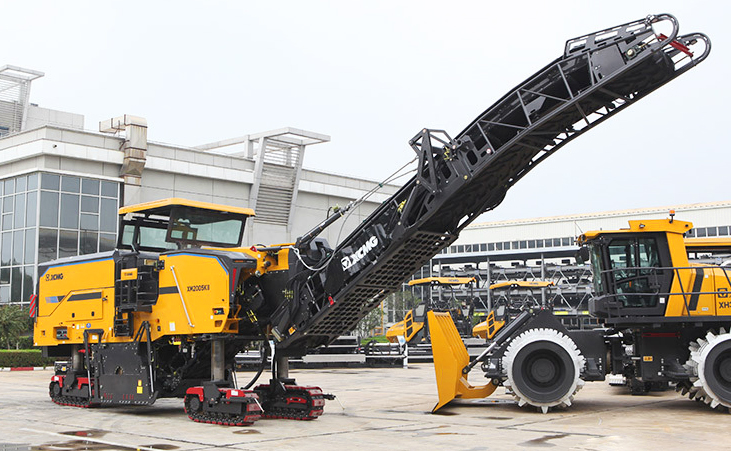
Selecting the right cold milling machine is one of the most critical decisions a roadworks contractor can make. A cold milling machine directly impacts project efficiency, cost management, and the quality of pavement removal. The wrong choice can lead to equipment downtime, suboptimal material recovery, and budget overruns that affect your entire project timeline.
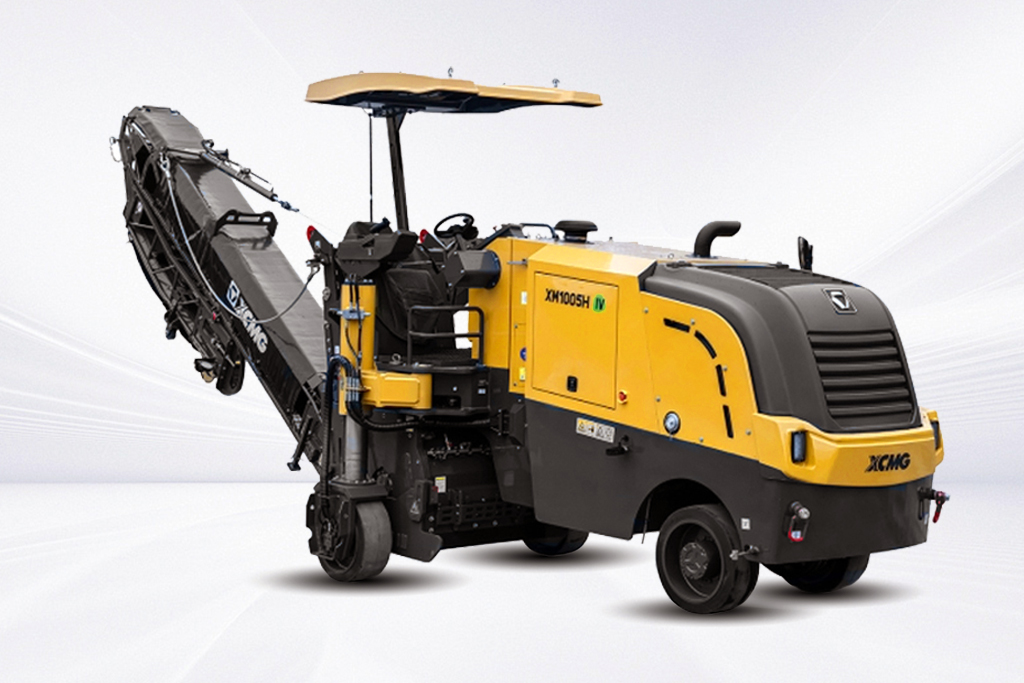
Understanding how to evaluate a cold milling machine requires knowledge of your project scope, site conditions, and operational requirements. This guide walks you through the essential factors that distinguish a suitable cold milling machine from one that will underperform on your job site. By the end, you will have a clear framework for comparing models and making an informed procurement decision.
Understanding Your Project Requirements
Assessing Milling Depth and Width Needs
The first step in choosing a cold milling machine is determining the exact depth and width of material you need to remove. Different projects call for different milling profiles. A shallow highway refresh may require only 25mm of removal, while a complete pavement rehabilitation might demand 100mm or deeper. Your cold milling machine specifications must align precisely with these requirements. Oversizing depth capability wastes fuel and increases wear on components, while undersizing forces multiple passes and extends project duration.
Width specifications are equally important when selecting a cold milling machine. Standard models range from 1.0 meters to 3.5 meters of milling width. A cold milling machine with insufficient width means additional passes over the same area, multiplying fuel consumption and labor costs. Conversely, a cold milling machine wider than your contract specifications becomes inefficient and difficult to maneuver on constrained job sites.
Evaluating Material Volume and Production Rate
Production capacity determines how quickly your cold milling machine can process a given roadway section. Measure the total area to be milled and calculate the required production rate in square meters per hour. Your cold milling machine's performance rating must comfortably exceed this benchmark to maintain schedule. A typical mid-range cold milling machine produces 150–300 square meters per hour under favorable conditions, but this varies with asphalt hardness, aggregate composition, and ambient temperature.
Material recovery is another production metric tied to your cold milling machine selection. If your project requires recycled asphalt material to be stockpiled for reuse, ensure your cold milling machine includes an efficient conveyor system and screen. Some cold milling machine models integrate material handling that others require as optional add-ons, significantly affecting total equipment cost and site logistics.
Critical Technical Specifications to Compare
Engine Power and Fuel Efficiency
Engine power directly correlates with the cutting force your cold milling machine can deliver. A more powerful cold milling machine penetrates harder asphalt faster and maintains steady production rates in challenging materials. However, higher horsepower also increases fuel consumption and operating expenses. Your cold milling machine selection should balance power adequacy with fuel economy to optimize lifetime operating cost.
Fuel efficiency varies widely among cold milling machine models of similar capacity. Newer cold milling machine designs incorporate advanced engine controls that reduce idle power draw and automatically adjust cutting force to material resistance. These features translate to 15–25 percent fuel savings over a project lifecycle. When comparing quotations for a cold milling machine, factor fuel consumption over the contracted milling hours, not just the purchase price.
Drum Type and Cutting Tool Configuration
The milling drum is the core cutting component of any cold milling machine. Drum design determines material penetration capability, tool life, and debris fragmentation quality. A cold milling machine equipped with a shallow-angle drum performs better on softer, newer asphalt, while a high-angle drum suits aged, brittle pavements. Your cold milling machine should match the typical pavement condition across your project area.
Tool spacing on the drum affects both cutting efficiency and the grain size of millings produced. A tightly spaced tool configuration on a cold milling machine generates finer material and smoother cuts but demands more frequent tool replacement. Conversely, wider tool spacing on a cold milling machine produces coarser material and extends tool life but may leave surface irregularities requiring additional cleanup. Assess your recycling requirements and surface finish standards before committing to a specific cold milling machine tool arrangement.
Transmission and Hydraulic System
Transmission type—mechanical, hydrostatic, or hybrid—fundamentally affects how your cold milling machine responds to load variations and operator commands. Hydrostatic transmissions on a cold milling machine provide smoother speed control and better traction on steep grades but typically consume more fuel. Mechanical transmissions on a cold milling machine offer lower operating costs but require skilled operator technique to avoid jerky movements and material rippling.
Hydraulic system robustness is equally vital to cold milling machine reliability. High-quality filtration, redundant pressure relief valves, and generously sized reservoirs keep a cold milling machine running through long shifts in dusty conditions. Under-spec hydraulic systems on budget cold milling machine models frequently overheat and fail mid-project, creating costly delays. Verify that your cold milling machine candidate features industrial-grade hydraulic components with proven service records in similar applications.
Operational and Maintenance Considerations
Maneuverability and Steering Control
Site geometry and traffic control requirements dictate how agile your cold milling machine needs to be. Narrow lanes, tight curves, and intersection approaches demand a cold milling machine with responsive steering and a compact turning radius. A cold milling machine designed for wide-open highway work may be cumbersome on urban streets or confined parking areas. Test-operate a cold milling machine candidate on similar geometry to your actual job site before finalizing purchase or rental agreements.
Grade capability is another steering-related factor for cold milling machine selection. A cold milling machine must maintain stable milling depth and forward speed when traversing grades of 8–10 percent or steeper. Poor grade performance on a cold milling machine causes material washout, uneven removal depth, and operator fatigue from constant steering corrections. Always confirm that your cold milling machine meets the maximum grade specifications of your contract site.
Maintenance Access and Parts Availability
Downtime during a roadworks project is extraordinarily expensive. Choose a cold milling machine with accessible maintenance points and a proven supplier network for replacement parts in your region. A cold milling machine with poorly located service intervals or parts requiring weeks to import will devastate your project schedule. Confirm that your rental company or equipment supplier maintains a cold milling machine parts inventory and has technicians qualified on your specific model.
Tool change procedures significantly impact cold milling machine operational efficiency. Some cold milling machine designs allow tool replacement in under 30 minutes with basic hand tools, while others require specialized equipment and half-day service intervals. Worn tools reduce a cold milling machine's cutting efficiency, so frequent replacement cycles favor faster tool-change designs. Request the detailed maintenance manual for your prospective cold milling machine and evaluate the labor cost implications.
Dust Suppression and Environmental Compliance
Modern regulations require dust control during milling operations. A cold milling machine equipped with integrated water suppression systems maintains compliance while protecting nearby properties and improving visibility for other traffic. Evaluate whether your cold milling machine candidate includes dust suppression as standard equipment or whether additional attachments are necessary. Some cold milling machine models offer real-time dust monitoring, helping operators stay within regulatory thresholds without excessive water use that creates mud and disposal challenges.
FAQ
What size cold milling machine do I need for a typical highway project?
Highway milling depth typically ranges from 30mm to 50mm, requiring a cold milling machine with mid-range specifications in the 2.5–3.5 meter width class. Your cold milling machine selection depends on lane width, project duration, and material recovery requirements. Most state highway contracts specify cold milling machine performance standards in their technical provisions; always review those requirements before selecting equipment.
How do I know if a cold milling machine is fuel-efficient?
Fuel efficiency for a cold milling machine is measured in liters per production hour or per square meter milled. Request documented fuel consumption data from your equipment supplier for your specific cold milling machine model under typical load conditions. A well-maintained cold milling machine should consume 15–25 liters per hour for mid-range machines; higher consumption often indicates hydraulic inefficiency or drum wear requiring servicing before deployment.
Can I rent a cold milling machine instead of purchasing one?
Renting a cold milling machine is financially sensible for short-term projects or when testing equipment performance before committing to purchase. Rental agreements typically include routine maintenance and emergency support, reducing your operational risk. For multiyear, high-volume milling operations, purchasing a cold milling machine usually offers better long-term economics despite higher upfront capital requirements. Evaluate your project pipeline and utilization forecast when deciding between renting and owning a cold milling machine.