
 EN
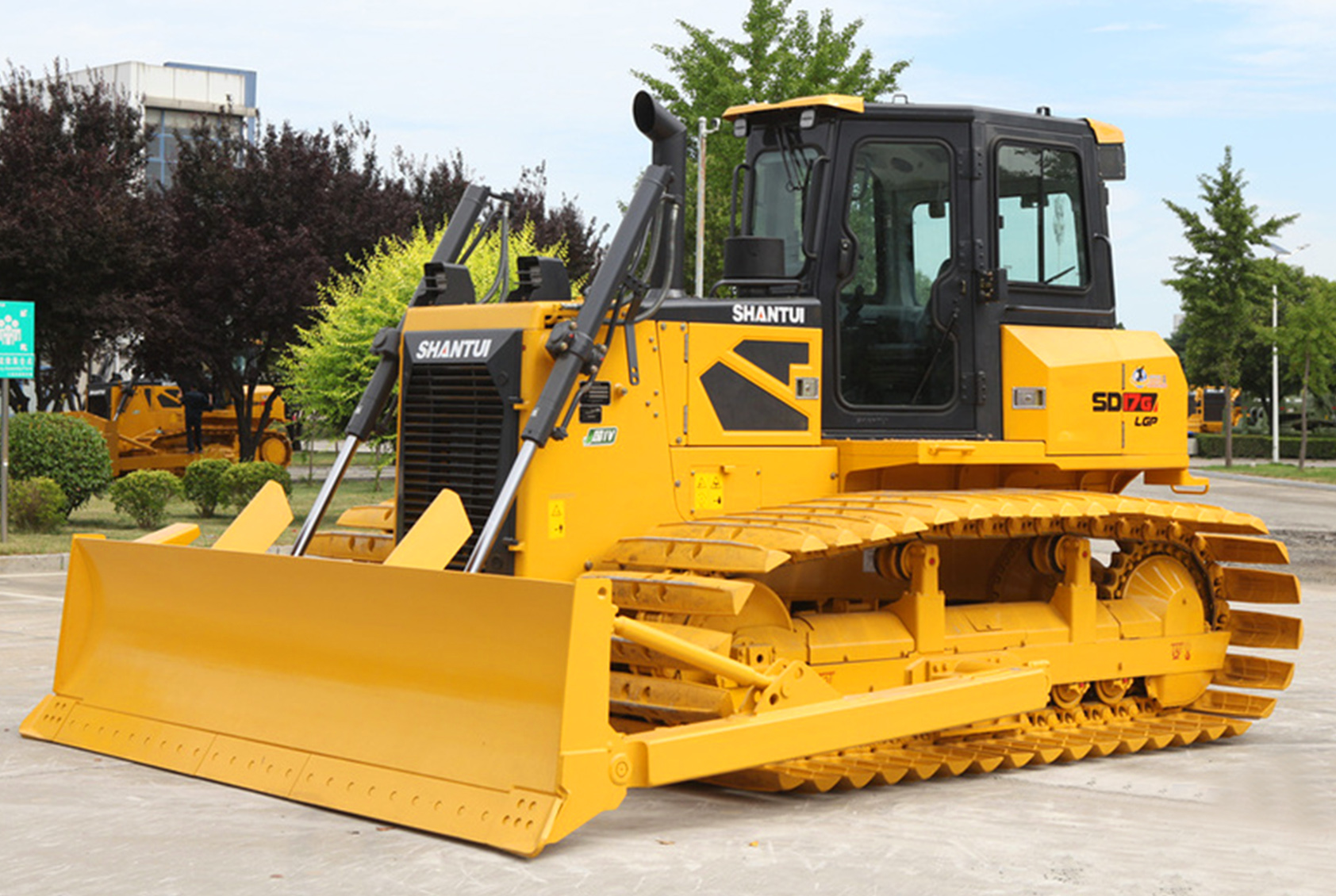
The undercarriage of a bulldozer represents one of the most critical and expensive components of your heavy equipment investment. A well-maintained bulldozer undercarriage can significantly extend the operational life of your machinery, reduce downtime, and protect your bottom line. Understanding how to care for this essential system is fundamental for any construction company, land clearing contractor, or earthmoving operation that depends on reliable bulldozer performance.
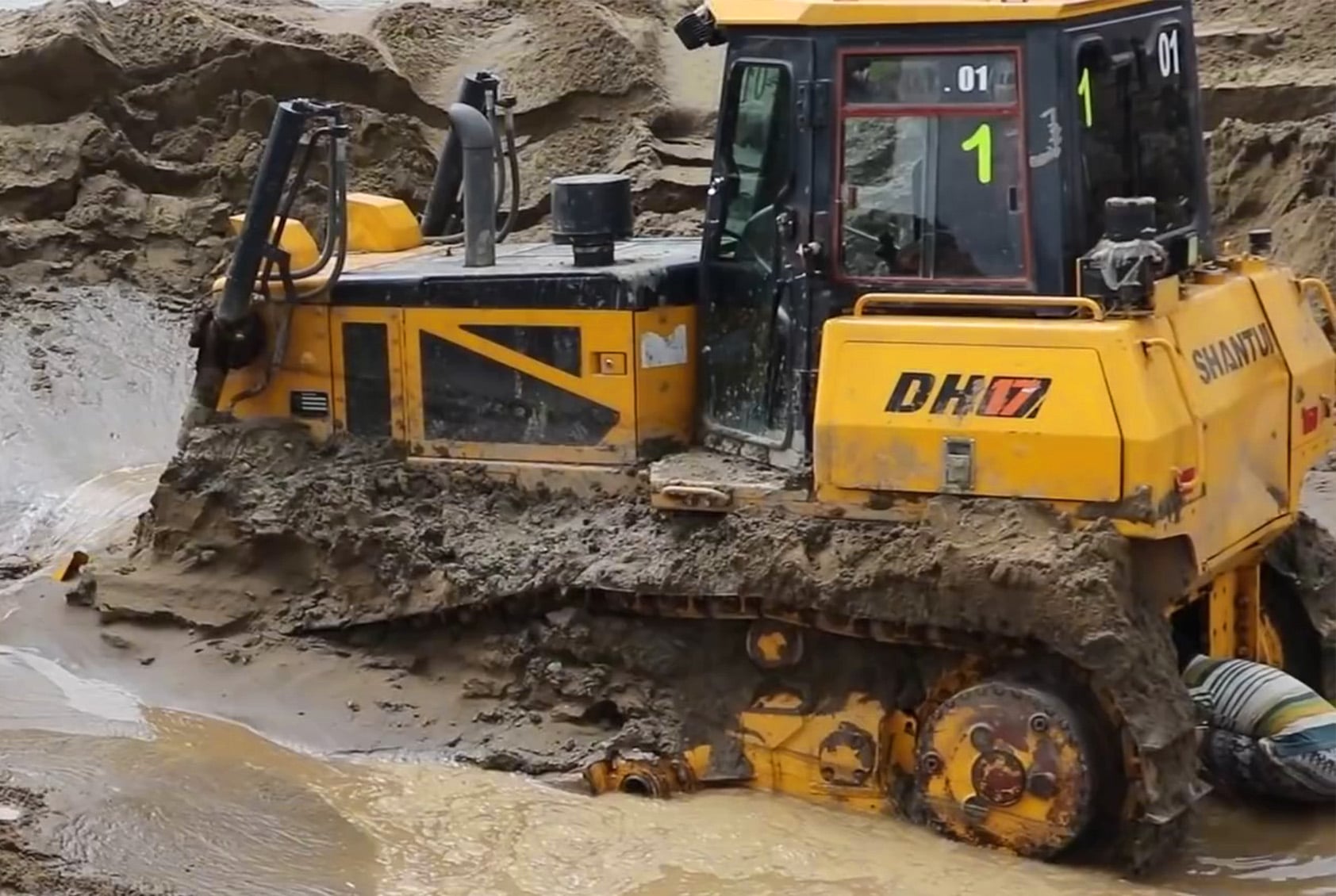
The undercarriage system of a bulldozer includes tracks, rollers, sprockets, idlers, and frame components that endure constant stress during grading, land clearing, and heavy earthmoving tasks. Premature wear in this area directly impacts fuel efficiency, traction, and overall machine reliability. By implementing systematic maintenance protocols and addressing wear patterns early, operators can extend the lifespan of their bulldozer undercarriage by thousands of operational hours, deferring expensive replacement costs and maximizing asset value.
Regular Inspection as the Foundation of Bulldozer Undercarriage Care
Establishing a Structured Inspection Schedule
Routine inspection is the cornerstone of any effective maintenance strategy for your bulldozer undercarriage system. A structured inspection schedule ensures that wear patterns, damage, and component degradation are identified before they develop into costly failures. Weekly visual inspections during the pre-shift walkround should focus on track tension, obvious cracks, and loose fasteners. Monthly comprehensive inspections should document the condition of each track section, roller condition, and sprocket wear patterns, creating a historical record that guides maintenance decisions and extends your bulldozer lifespan significantly.
Identifying Early Warning Signs
Experienced operators and maintenance technicians recognize specific indicators that signal bulldozer undercarriage problems requiring immediate attention. Uneven track wear, excessive vibration during operation, or grinding noises typically indicate roller or sprocket deterioration. Track slippage on flat ground, visible cracks in the track plates, or hydraulic fluid leaks near undercarriage components warrant prompt investigation. Catching these signs early through vigilant inspection allows you to replace worn sections of your bulldozer undercarriage proactively, preventing catastrophic failures that could immobilize your equipment during critical projects.
Track Maintenance and Tension Management for Bulldozer Longevity
Proper Track Tension Protocols
Track tension represents one of the most commonly overlooked factors affecting bulldozer undercarriage longevity. Tracks that are too loose accelerate wear on sprockets, idlers, and rollers while reducing traction and increasing fuel consumption. Conversely, excessively tight tracks generate excessive load on bearings and frame components, causing premature failure throughout the bulldozer system. The optimal track tension for your specific bulldozer model allows approximately one inch of vertical movement at the centerline. Technicians should measure and adjust track tension every 250 operating hours or monthly, whichever comes first, using manufacturer specifications and proper tensioning procedures to ensure your bulldozer undercarriage remains within design parameters.
Track Cleaning and Debris Management
Accumulation of mud, clay, rocks, and debris within the bulldozer track system dramatically accelerates wear and corrosion of undercarriage components. When working in sticky soil conditions, operators should pause periodically to allow centrifugal forces to clear the track or manually remove compacted material using appropriate tools. At the end of each work shift, thoroughly wash the track and undercarriage components with water, paying special attention to the spaces between track links and around rollers. This simple practice prevents corrosive materials from sitting against metal components overnight, significantly extending the functional lifespan of your bulldozer undercarriage and preventing rust-related degradation that compromises structural integrity.
Lubrication Strategy and Component Replacement for Bulldozer Undercarriage Durability
Comprehensive Lubrication Programs
Proper lubrication is essential for maintaining the operational efficiency and longevity of your bulldozer undercarriage. Track rollers, idler wheels, and sprocket bearings require consistent application of high-quality grease formulated for heavy equipment under demanding conditions. Most modern bulldozer models feature grease fittings on all critical undercarriage components, requiring lubrication every 50 to 100 operating hours depending on working conditions and manufacturer guidelines. Operators working in abrasive or water-saturated environments may need to increase lubrication frequency for their bulldozer undercarriage to every 40 hours to combat accelerated wear and prevent water infiltration into sealed bearing assemblies that could compromise performance.
Strategic Component Replacement Timing
Understanding when to replace worn bulldozer undercarriage components represents a critical knowledge area for maintenance managers. Track links typically warrant replacement when wear reaches 25 to 50 percent of their original thickness, as operating with severely worn tracks accelerates damage to rollers and sprockets. Rollers and idlers should be replaced in sets rather than individually, ensuring balanced load distribution across your bulldozer undercarriage and preventing premature failure of adjacent components due to uneven wear patterns. Sprockets typically last 3,000 to 5,000 operating hours on a bulldozer, but this timeframe varies significantly based on soil type, operating techniques, and maintenance quality. Proactive replacement of these components before they fail catastrophically protects your overall bulldozer investment and maintains consistent performance standards across your fleet.
Operational Practices That Protect Your Bulldozer Undercarriage Investment
Operator Training and Technique Development
How operators handle equipment directly impacts bulldozer undercarriage longevity and durability. Skilled operators avoid sudden directional changes, aggressive acceleration, and abrupt deceleration that generate excessive lateral and vertical loads on undercarriage components. Training programs should emphasize smooth operation, appropriate gear selection for terrain conditions, and techniques that distribute loads evenly across the bulldozer track system rather than concentrating stress on individual sections. Operators who understand the mechanical principles underlying undercarriage stress can make intelligent decisions in the field that extend the lifespan of their bulldozer by years while simultaneously improving productivity and fuel efficiency.
Environmental and Site Condition Awareness
The environment in which your bulldozer operates significantly influences undercarriage wear rates and component failure patterns. Operating in waterlogged conditions accelerates rust and corrosion of undercarriage components, requiring more frequent cleaning and lubrication intervals. Extremely abrasive soils containing rocks, hardpan, or volcanic materials accelerate track link wear and roller degradation, necessitating closer monitoring and more frequent replacement cycles for your bulldozer undercarriage. Conversely, sandy or loamy soils typically result in more moderate wear rates. Site managers should communicate environmental conditions to maintenance teams, allowing them to schedule inspections and replacement cycles proactively rather than reactively responding to failures that compromise productivity and safety on your bulldozer fleet.
FAQ
How often should I inspect the undercarriage of my bulldozer?
Comprehensive inspection of your bulldozer undercarriage should occur monthly, with quick visual checks during pre-shift daily equipment walkarounds. Weekly monitoring of track tension and general condition helps identify developing problems before they escalate. In demanding operational environments with heavy soil loads or abrasive materials, increase inspection frequency to twice monthly. Maintaining detailed inspection logs creates historical records that help predict component failure timelines and optimize replacement scheduling for your bulldozer maintenance program.
What is the typical lifespan of bulldozer tracks before replacement becomes necessary?
Standard bulldozer track systems typically provide 2,000 to 4,000 operating hours of service depending on soil conditions, operator technique, and maintenance quality. Tracks operating in soft, sandy soils may last closer to 4,000 hours, while those in abrasive rocky terrain often require replacement at 2,000 hours. Poor maintenance practices, inadequate lubrication, or improper track tension can reduce the lifespan of your bulldozer tracks by 50 percent or more. Monitoring wear patterns and replacing tracks proactively before they fail catastrophically protects your broader bulldozer undercarriage system from secondary damage that could prove significantly more costly.
Can I extend my bulldozer undercarriage lifespan by changing how I operate the equipment?
Yes, operational technique significantly impacts how long your bulldozer undercarriage components remain serviceable. Smooth acceleration, gradual directional changes, and avoiding unnecessary pushing or pulling of heavy loads reduce stress on tracks, rollers, and sprockets. Operating at appropriate speeds for terrain conditions and soil type, combined with regular breaks to allow equipment cooling and centrifugal track cleaning, extends the functional lifespan of your bulldozer undercarriage substantially. Training operators on load distribution principles and stress-minimizing techniques can add hundreds or even thousands of operational hours to your equipment before major component replacement becomes necessary.