
 EN
EN
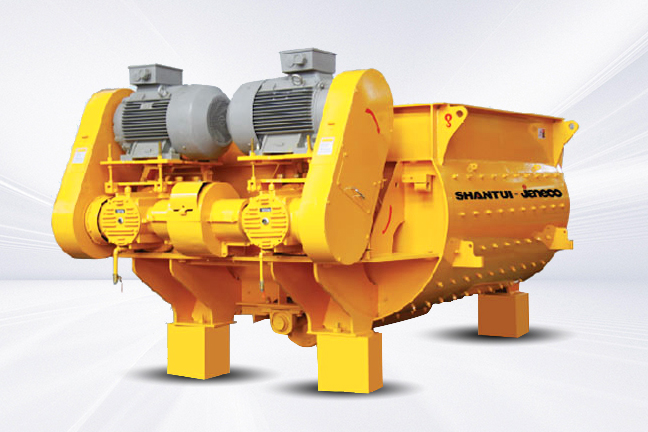
Selecting the appropriate concrete mixer for your construction project is one of the most critical decisions you'll make during the planning phase. The wrong concrete mixer size can lead to inefficiency, increased labor costs, project delays, and suboptimal concrete quality. Whether you're managing a small residential renovation or a large-scale commercial development, understanding how to determine the correct concrete mixer size ensures your project runs smoothly and stays within budget. The concrete mixer you choose directly impacts production rates, material waste, and overall project timeline.
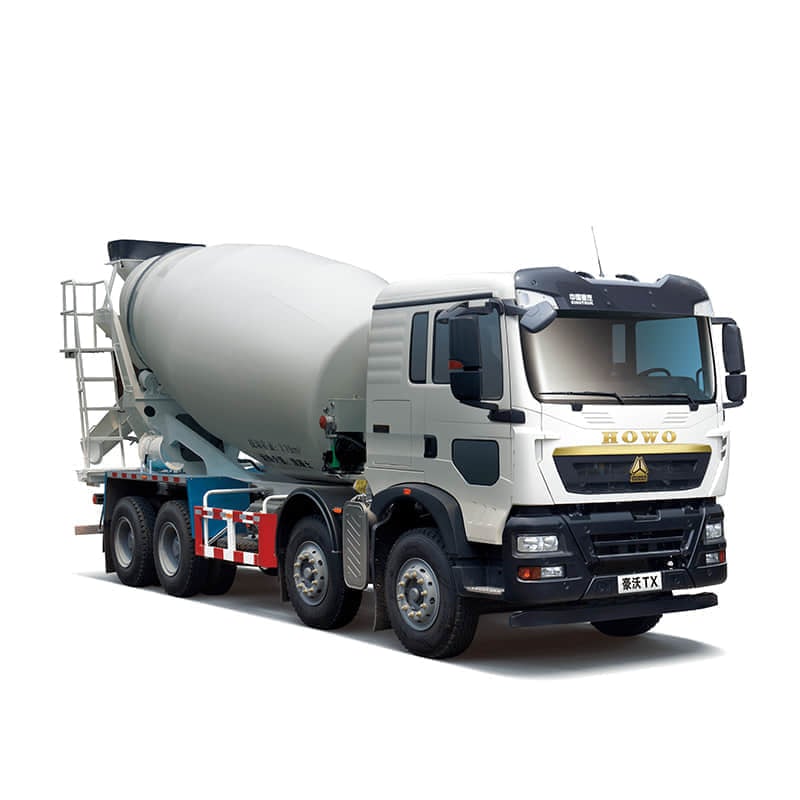
The process of determining the right concrete mixer begins with a thorough assessment of your specific project requirements. You must evaluate the total volume of concrete needed, the daily production targets, the type of concrete mix being used, and the available workspace. A concrete mixer that's too small will require multiple batches, wasting time and increasing labor expenses. Conversely, an oversized concrete mixer wastes energy, occupies excessive space, and may sit idle for portions of your project, adding unnecessary equipment rental or purchase costs to your bottom line.
Understanding Concrete Mixer Capacity and Volume Requirements
Calculating Total Concrete Volume Needs
The foundation of concrete mixer selection is determining how much concrete your project actually requires. Calculate the total volume by measuring the length, width, and depth of all areas where concrete will be placed, then multiply these dimensions to find cubic footage or cubic meters. Break this total into daily requirements based on your project schedule. If your project needs 500 cubic yards of concrete spread over ten working days, you'll need a concrete mixer capable of handling roughly 50 cubic yards per day, accounting for setup time, curing delays, and weather interruptions.
Once you know your daily volume needs, identify the batch size your concrete mixer should produce. A concrete mixer with a larger drum capacity allows you to produce more material per batch cycle, reducing the number of batches needed each day. For example, a concrete mixer with a 10-cubic-yard capacity can produce 5 large batches daily, whereas a concrete mixer with only a 3-cubic-yard capacity would require 16 or more batches to meet the same daily target. This distinction directly influences labor productivity, equipment utilization rates, and overall project economics.
Matching Mixer Capacity to Project Duration
Project duration significantly affects which concrete mixer size makes financial sense. Short-duration projects spanning only a few days may justify renting a larger concrete mixer because you'll amortize the rental cost across high-volume production in a compressed timeframe. Longer projects measured in months might benefit from a smaller, more economical concrete mixer that operates consistently without idle periods. A concrete mixer rated for 8 cubic yards per batch is ideal for a two-week urgent foundation pour, but inefficient for a three-month concrete finishing schedule where daily volumes fluctuate significantly.
The concrete mixer's duty cycle rating also matters for project duration planning. Some mixers are designed for intermittent use, operating at full capacity for short periods followed by rest intervals. Others are engineered for continuous operation throughout extended work shifts. If your project demands sustained concrete production over many hours daily, selecting a concrete mixer with a continuous-duty rating prevents premature equipment failure, downtime, and replacement costs that would derail your schedule.
Assessing Power Supply, Space Constraints, and Operational Logistics
Evaluating Available Power Resources
The power supply at your job site fundamentally constrains which concrete mixer models are feasible. Electric-powered concrete mixers require three-phase industrial power in many cases, which may not be available in residential neighborhoods or remote project locations. A diesel-powered or gasoline-powered concrete mixer offers portability and independence from electrical infrastructure but incurs higher fuel costs and maintenance demands. The concrete mixer you ultimately select must match your site's available utilities. If three-phase power isn't readily available, purchasing or renting a larger concrete mixer requiring such power becomes impractical, forcing you toward smaller, portable alternatives that align with single-phase power availability.
Beyond power type, consider the concrete mixer's energy consumption relative to your production targets. A concrete mixer with better efficiency ratings reduces operational costs, particularly for extended projects. Some modern concrete mixers incorporate variable-speed motors that adjust power consumption based on load, delivering significant savings compared to fixed-speed models. Compare the concrete mixer's kilowatt or horsepower ratings against batch size to calculate cost per cubic yard of concrete produced. This metric reveals which concrete mixer size delivers the best return on energy investment for your specific conditions.
Accommodating Physical Space and Site Layout
Physical space available on your job site often dictates concrete mixer size more rigidly than production needs alone. Urban construction projects, residential renovations, and confined spaces frequently lack room for large stationary mixers. In these scenarios, a smaller, mobile concrete mixer becomes essential even if it reduces daily output. Measure the available space, account for material stockpiles and work areas, and ensure sufficient clearance around the concrete mixer for maintenance, repairs, and operator safety. A concrete mixer that barely fits creates workflow bottlenecks and safety hazards that compound over your project duration.
Additionally, consider access routes for concrete delivery vehicles and finished concrete transport. Some job sites have restricted entry points or weight limits on roads that influence which concrete mixer you can physically position and operate. A larger concrete mixer might deliver superior efficiency in volume terms but prove logistically impossible to install and supply given site constraints. Conduct a thorough site survey before concrete mixer selection to avoid renting equipment that cannot be effectively deployed once it arrives at your project.
Determining the Right Concrete Mixer Type and Performance Metrics
Selecting Between Portable and Stationary Concrete Mixers
Portable concrete mixers suit projects requiring flexibility, frequent relocation, or limited permanent installation space. These units typically range from 3 to 10 cubic yards in capacity and can be transported between multiple project sites. A concrete mixer in the portable category delivers excellent versatility for contractors managing several concurrent jobs or projects with uncertain durations. Stationary concrete mixers, by contrast, anchor permanently at a central concrete production location and achieve much larger batch sizes, often 12 to 20 cubic yards or more. The concrete mixer type you select depends on your operational model and long-term equipment strategy.
For high-volume, long-duration projects, a concrete mixer with stationary installation makes economic sense due to amortized purchase or rental costs against substantial production volumes. For smaller or temporary projects, the flexibility of a portable concrete mixer justifies slightly lower production efficiency. Evaluate your project's concrete placement schedule, expected equipment downtime, and transportation logistics before committing to either category. The concrete mixer investment—whether rental or purchase—should align with your operational strategy and anticipated future utilization.
Evaluating Mixing Quality and Consistency Factors
Concrete mixer size influences not only production volume but also material consistency and batch quality. Larger mixers with extended drum rotation times may achieve more uniform material blending, particularly for complex mixes containing multiple aggregates, additives, or supplementary cementitious materials. A concrete mixer with inadequate mixing time produces segregated concrete where coarse aggregates separate from the paste, compromising structural performance. Conversely, excessive mixing time in an oversized concrete mixer wastes energy and extends cycle times unnecessarily. Your concrete mixer must provide optimal mixing duration for your specific concrete specification.
Concrete mixer performance specifications include discharge speed, residual material percentages, and operator control features. High-quality concrete mixers minimize material waste through efficient discharge mechanisms that evacuate the maximum percentage of blended concrete per cycle. Some concrete mixers incorporate proportioning systems that automatically meter cement, aggregates, and water according to your concrete design, eliminating manual batching errors. Others feature load cells that verify batch weights before discharge, ensuring consistency across multiple cycles. These performance features justify selecting a slightly larger or more sophisticated concrete mixer if they prevent costly rework, material waste, or strength deficiencies.
FAQ
How do I calculate the concrete mixer size I need for my specific project?
Begin by calculating your total concrete volume requirement in cubic yards or cubic meters by measuring all areas receiving concrete. Divide this total by your project duration in working days to establish daily production targets. Then divide your daily target by estimated batches per working day to determine required batch size. Account for equipment setup time, material loading duration, and discharge time when estimating batches per day. Finally, add a 15-20% safety margin to your calculated concrete mixer capacity to accommodate scheduling fluctuations and contingencies. This systematic approach ensures your concrete mixer size aligns precisely with your project's concrete production demands.
What are the main risks of choosing a concrete mixer that's too small or too large?
An undersized concrete mixer extends project timelines, increases labor costs through repetitive batching cycles, and may force overtime operations to meet schedules. Material quality suffers when rushed batching produces inconsistent concrete blends or insufficient mixing time. Conversely, an oversized concrete mixer wastes energy, occupies excessive space that could serve other functions, and may sit idle during periods of reduced concrete demand, inflating equipment costs per unit of material produced. Both scenarios reduce project profitability and operational efficiency. Selecting the correctly-sized concrete mixer balances production capacity against cost efficiency and space utilization to optimize overall project economics.
Should I rent or purchase a concrete mixer for my project?
Rental makes sense for short-term projects under six months where equipment ownership costs and long-term storage become impractical expenses. Purchase decisions favor contractors with multiple concurrent projects or long-term operations where the concrete mixer delivers sustained utilization and positive return on investment. Calculate the total cost of ownership including purchase price, maintenance, storage, insurance, and eventual disposal against rental rates for your project duration. For most contractors, renting a concrete mixer optimizes cash flow flexibility and eliminates maintenance responsibility, while purchasing justifies itself only when equipment utilization rates exceed 60-70% annually across multiple projects.