
 EN
EN

A backhoe loader is one of the most versatile pieces of construction equipment on any job site, combining the efficiency of a front-end loader bucket with the precision of a rear-mounted backhoe arm. However, maximizing the operational lifespan and performance of your backhoe loader depends heavily on consistent and thorough maintenance practices for both the front bucket and rear backhoe attachment systems. Neglecting either component can lead to costly downtime, reduced productivity, and expensive repairs that could have been prevented through proper care routines.
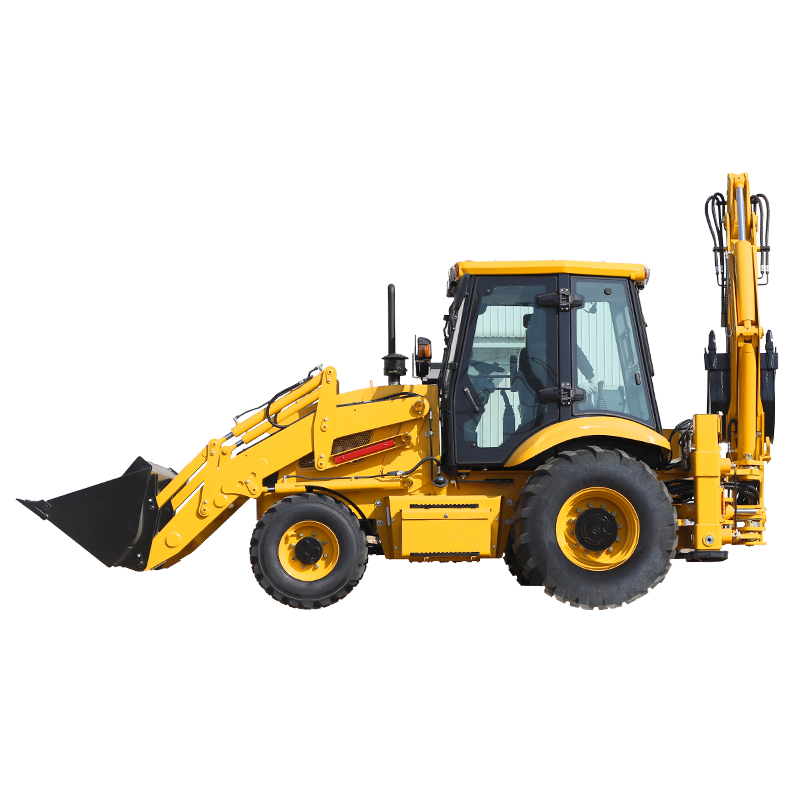
Understanding the specific maintenance requirements for each attachment on your backhoe loader ensures that your equipment operates at peak efficiency and maintains its resale value over time. Both the front bucket attachment and the rear backhoe attachment experience significant stress during daily operations, from digging and loading to site preparation and material handling. Each component requires targeted inspection, cleaning, lubrication, and adjustment protocols to prevent premature wear and maintain structural integrity throughout the equipment's service life.
Front Bucket Attachment Maintenance for Your Backhoe Loader
Regular Inspection and Cleaning Procedures
The front bucket attachment on your backhoe loader should be inspected daily before beginning work to identify any visible damage, cracks, or bent edges that could worsen during operation. Begin by removing accumulated soil, rock debris, and other material from the bucket cavity and exterior surfaces, as these materials can trap moisture and accelerate corrosion and structural degradation. Use a pressure washer or water spray to thoroughly clean the bucket, paying special attention to the corners, seams, and connection points where dirt accumulates and moisture can concentrate.
Wear Management and Tooth Replacement
The cutting edge and teeth on your backhoe loader front bucket attachment are subject to constant abrasion and impact during excavation and loading operations. Inspect the teeth regularly for signs of rounding, chipping, or excessive wear that reduces digging efficiency and increases fuel consumption as the machine works harder to penetrate material. Replace worn bucket teeth promptly with manufacturer-approved components to maintain optimal performance; delaying tooth replacement forces the backhoe loader hydraulic system to work with reduced mechanical advantage, straining pumps and cylinders unnecessarily.
Rear Backhoe Attachment Care and Maintenance Practices
Hydraulic System Inspection for Backhoe Loader Operations
The rear backhoe attachment on your backhoe loader relies entirely on hydraulic cylinders, hoses, and fluid systems to function, making hydraulic maintenance absolutely critical to operational reliability. Check all visible hoses connected to the backhoe loader hydraulic system daily for signs of leaking fluid, which appears as wet spots or residue on hoses and surrounding equipment surfaces. Inspect hydraulic cylinders on the backhoe attachment for smooth extension and retraction; any slow response, jerking movements, or inability to fully extend or retract indicates hydraulic degradation requiring immediate attention before operating the backhoe loader further.
Boom and Arm Structural Assessment
The boom and digging arm of your backhoe loader rear attachment should be visually inspected weekly for cracks, bending, or permanent deformation that compromises structural integrity and safety during operation. Pay particular attention to welded connection points where the boom attaches to the main backhoe loader frame and where cylinders connect to the boom, as these areas experience the highest stress concentration during excavation work. Any visible cracks or damage to the boom structure should result in immediate work stoppage; operate your backhoe loader to a service facility for professional welding repair rather than attempting field repairs that may fail under load.
Lubrication Schedules and Hydraulic Fluid Management
Lubrication Points on the Backhoe Loader
Both the front bucket attachment and rear backhoe loader components require regular lubrication at connection pins, pivot joints, and articulation points where metal-to-metal contact occurs under load. Refer to your backhoe loader manufacturer's maintenance schedule to identify all lubrication points requiring grease application; typically these include bucket pin connections, boom cylinder attachment points, and arm articulation joints on the backhoe attachment. Apply lithium-based or NLGI 2-grade grease appropriate to your climate conditions, ensuring you do not over-lubricate as excess grease attracts dirt and can interfere with hydraulic seal performance on your backhoe loader.
Hydraulic Fluid Condition and Change Intervals
The hydraulic fluid circulating through your backhoe loader system transmits power to both the front bucket and rear backhoe attachment, making fluid quality essential to equipment performance and longevity. Check hydraulic fluid levels monthly and top off with the exact fluid type specified by your backhoe loader manufacturer; mixing incompatible hydraulic fluids can cause seal degradation and component failure throughout the backhoe loader system. Change hydraulic fluid according to manufacturer recommendations, typically every 1000 to 2000 operating hours depending on dust exposure and work environment; fresh fluid maintains optimal viscosity and protects your backhoe loader hydraulic components from internal wear.
Seasonal and Operational Maintenance Strategies
Environmental Protection for Backhoe Loader Attachments
The front bucket and rear backhoe loader attachments are constantly exposed to moisture, salt air in coastal applications, and corrosive chemicals on construction sites, all accelerating rust and structural deterioration if left unprotected. After working in wet conditions or in salt-spray environments, rinse both the front bucket attachment and all exposed portions of the backhoe loader rear assembly with fresh water to remove corrosive deposits before they bond to metal surfaces. Apply appropriate protective coatings to damaged paint areas on your backhoe loader attachments, particularly on sharp edges where paint chips away during normal operation, exposing bare metal to oxidation.
Storage and Off-Season Care
When storing your backhoe loader for extended periods or during off-seasons, perform comprehensive maintenance to prevent deterioration while the equipment sits idle. Lower the front bucket attachment to the ground to reduce stress on hydraulic cylinders, and position the rear backhoe loader boom in a neutral horizontal position rather than leaving it extended or fully retracted. Apply storage-grade hydraulic fluid preservative additives to your backhoe loader fuel system, and cover exposed attachment components to shield them from direct sunlight and precipitation that accelerates rust formation on unpainted surfaces.
FAQ
How often should I inspect my backhoe loader bucket attachment teeth?
Inspect your backhoe loader bucket teeth weekly during regular operation and replace them immediately if you notice visible chipping, rounding, or more than 50% original tooth height remaining. Worn teeth on your backhoe loader significantly reduce digging efficiency and force the hydraulic system to work harder, increasing fuel consumption and accelerating component wear throughout the equipment.
What are common signs that my backhoe loader rear attachment needs hydraulic service?
Common signs your backhoe loader hydraulic system requires service include slow or jerky movement of the boom and digging arm, visible hydraulic fluid leaks from cylinders or hoses, and inability of the backhoe loader rear attachment to fully extend or retract. Address these symptoms immediately before operating your backhoe loader further, as hydraulic system failure can leave the equipment inoperable on site.
Can I use any hydraulic fluid in my backhoe loader attachment systems?
No, you must use only the hydraulic fluid type specified by your backhoe loader manufacturer, as incompatible fluids can damage seals and components throughout your backhoe loader hydraulic system. Always verify the correct fluid specification before topping off or changing hydraulic fluid in your backhoe loader to maintain warranty coverage and prevent costly equipment damage.