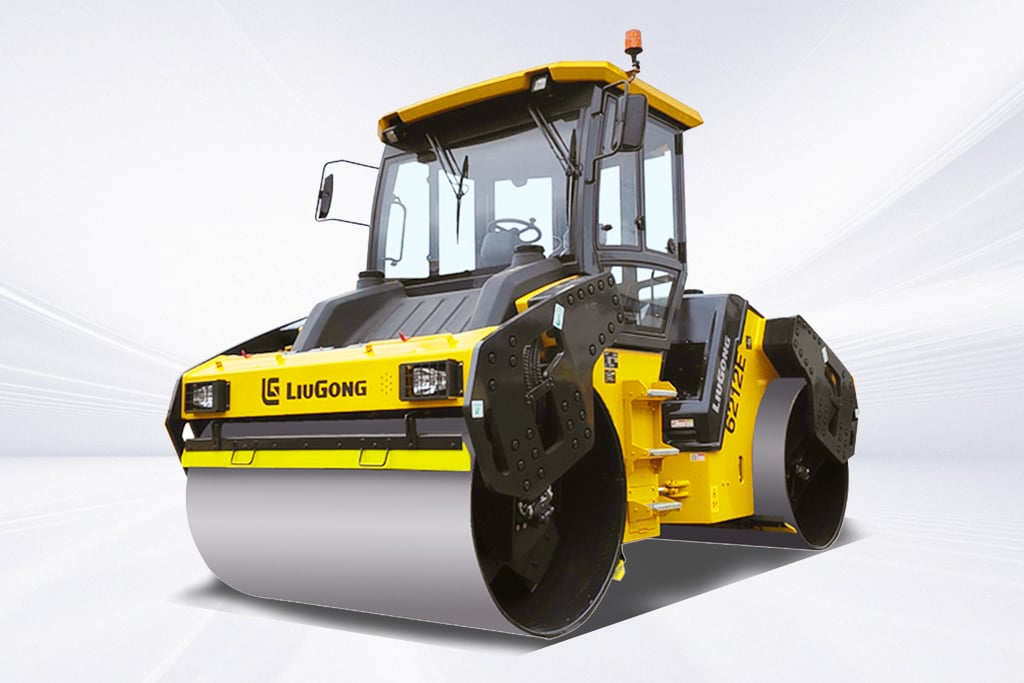
road compaction machine
A road compaction machine is essential equipment used in construction and infrastructure development to compress soil, asphalt, and aggregate materials. The road compaction machine works by applying force and vibration to increase material density, creating stable foundations for roads, highways, and parking areas. These machines are fundamental to ensuring long-lasting pavement quality and structural integrity.
The primary function of a road compaction machine is to reduce air voids within materials, strengthening the base layer and improving overall road durability. Modern road compaction machines utilize advanced vibratory technology and heavy-duty rollers to achieve optimal compaction rates. The road compaction machine operates through various mechanisms, including static weight, dynamic impact, and vibratory motion, depending on the specific model and application requirements.
Technological features of contemporary road compaction machines include GPS positioning systems, automatic grade control, real-time monitoring sensors, and fuel-efficient engines. These innovations enhance precision and reduce operational costs. The road compaction machine typically features adjustable vibration frequencies, variable speed controls, and ergonomic operator cabins for improved comfort during extended work periods.
Applications for the road compaction machine span across diverse sectors including highway construction, municipal roadway projects, commercial development, and infrastructure renewal. Whether used for initial ground preparation or final surface compaction, the road compaction machine remains indispensable. These versatile machines handle various material types and project scales, from small residential roads to major interstate highway systems, making them crucial investment for construction companies and municipal authorities.

 EN
EN