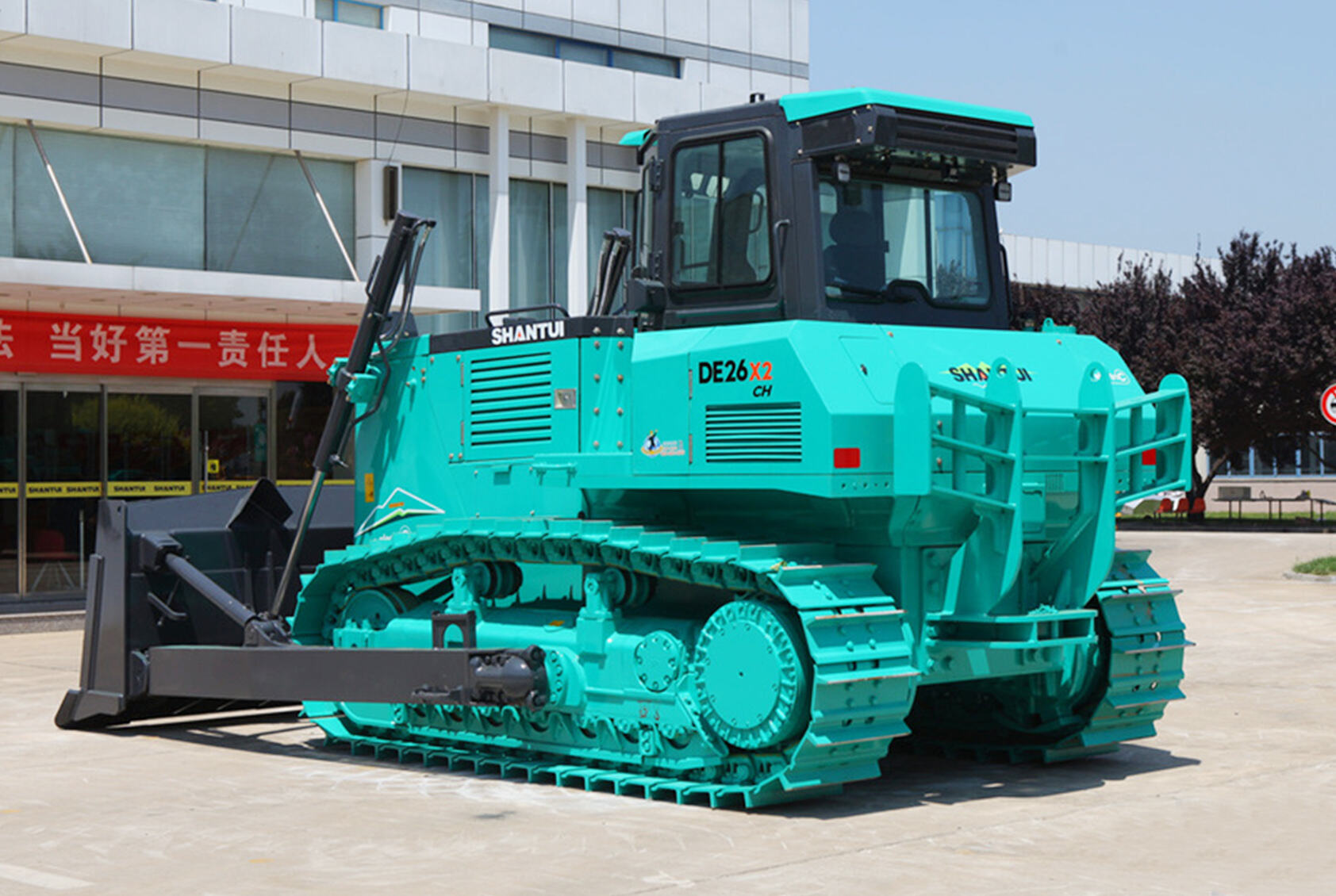
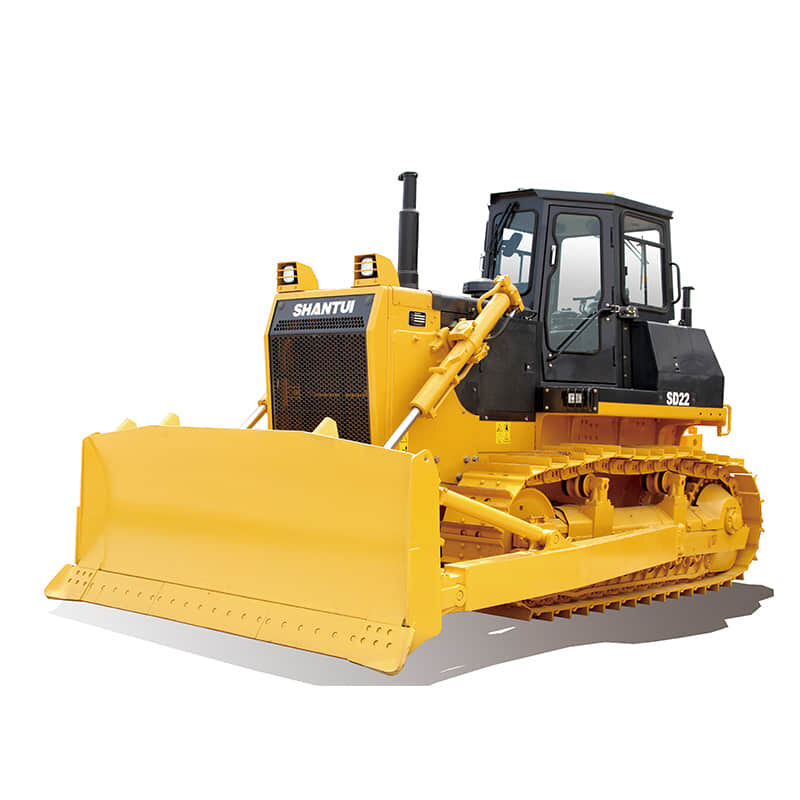
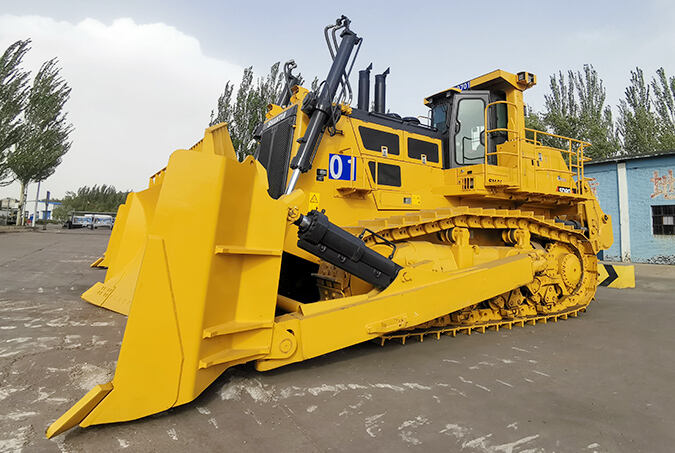
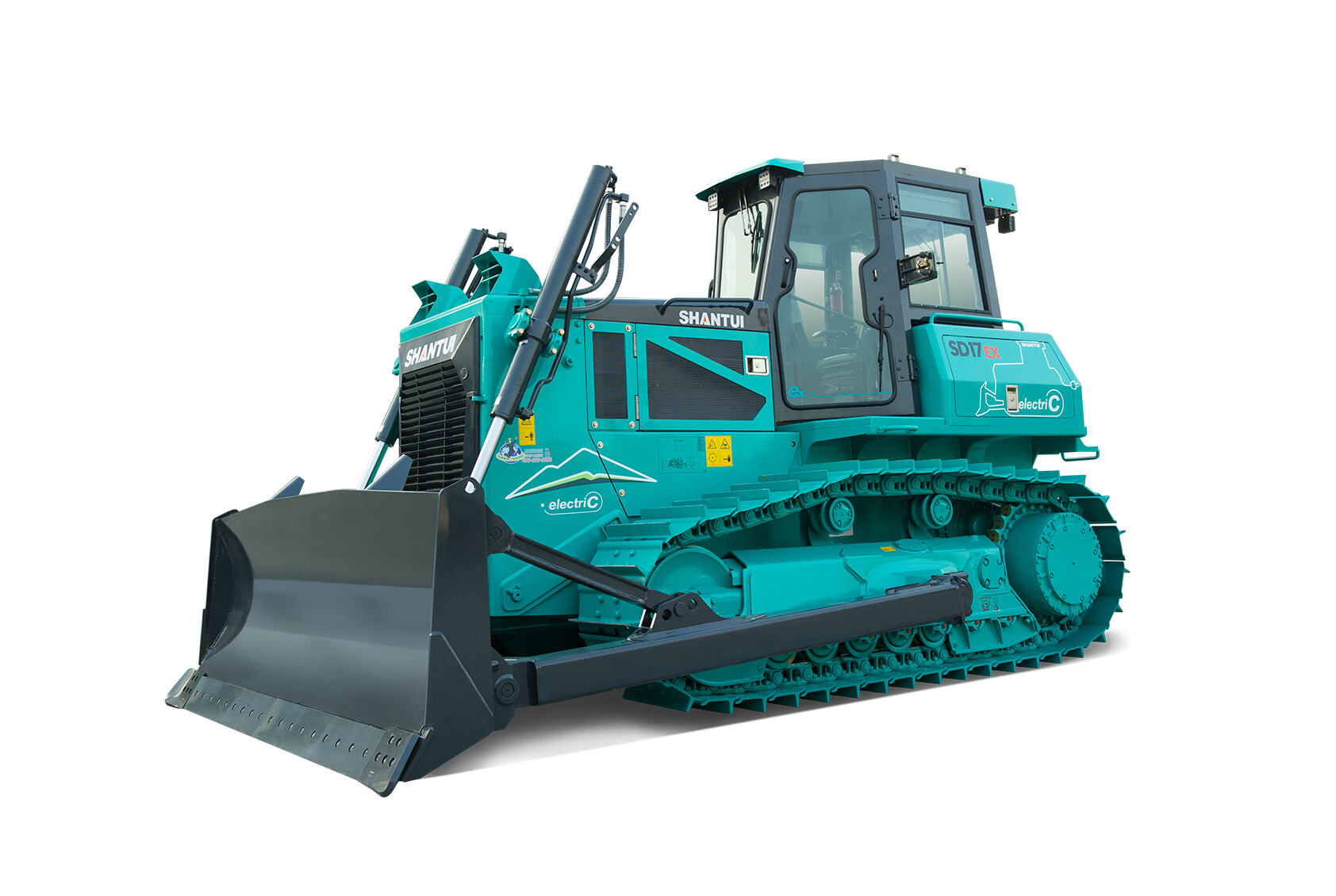
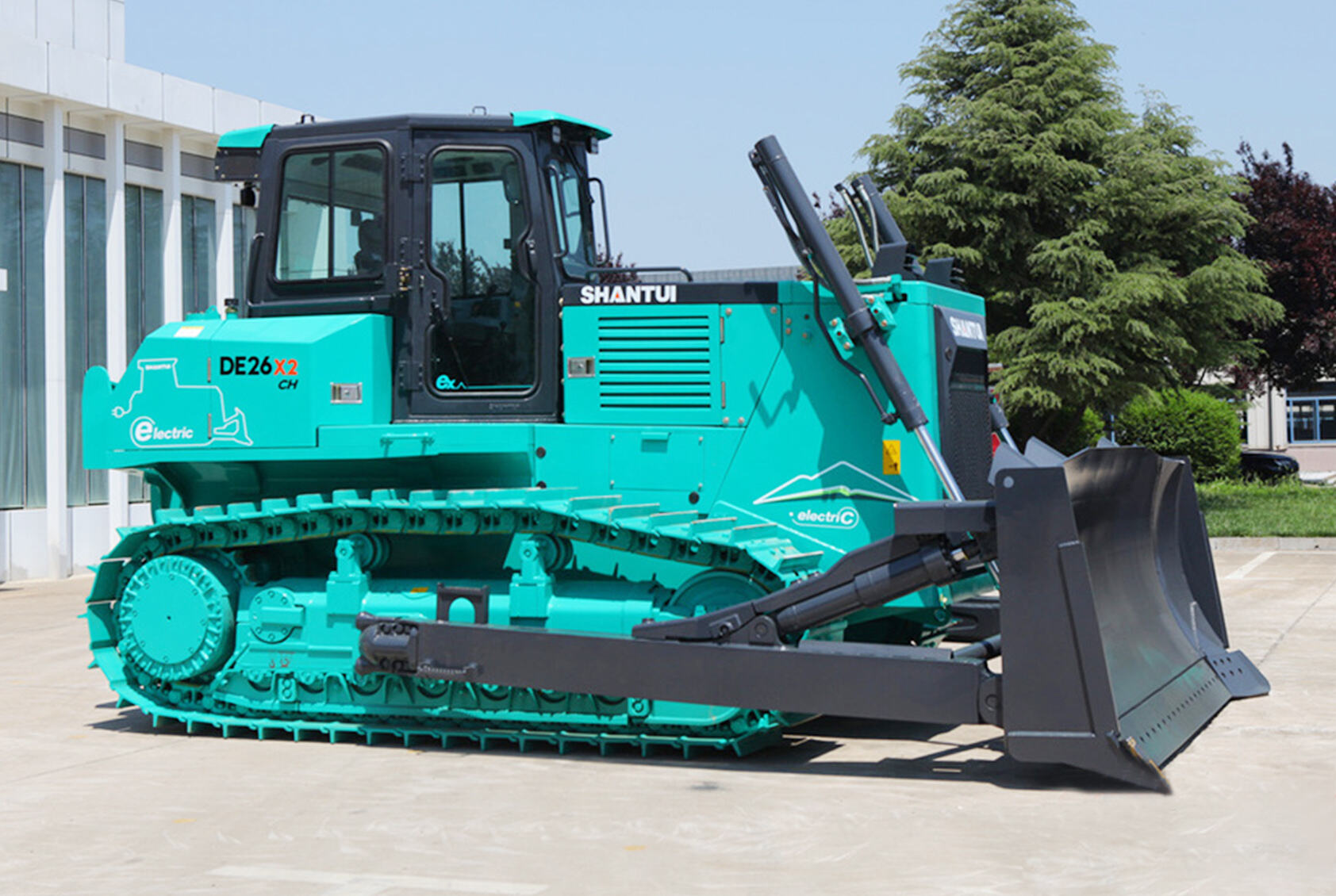
At their core, electric bulldozers replace internal combustion engines with advanced electric drivetrains powered by high-capacity batteries or hybrid systems integrating generators. These machines deliver instant torque, smooth power delivery, and precise control—characteristics well suited to the demanding earthmoving tasks performed by bulldozers. Without reliance on fossil fuels, electric bulldozers produce zero tailpipe emissions, significantly reducing greenhouse gas output and improving air quality on construction and mining sites.
One of the primary benefits of electric bulldozers lies in their operational efficiency. Electric motors achieve higher energy conversion rates compared to diesel engines, resulting in lower overall energy consumption for equivalent work output. Regenerative braking and energy recovery systems can further optimize power use, especially in stop-and-go scenarios typical of earthmoving operations. These efficiencies translate into reduced operational costs and extended machine runtime when combined with fast-charging infrastructure.
Noise pollution is another critical advantage. Electric bulldozers operate at significantly lower noise levels, enhancing worker comfort and reducing impact on nearby communities. This quieter operation aligns with increasingly stringent workplace safety regulations and environmental standards.
Modern electric bulldozers also integrate sophisticated battery management systems that monitor cell performance, temperature, and state of charge to maximize battery lifespan and safety. Modular battery designs facilitate quick swapping and on-site charging, minimizing downtime during extended projects.
Challenges to widespread electric bulldozer adoption remain, including higher upfront capital costs and the need for robust charging infrastructure, particularly at remote or large-scale sites. However, ongoing advances in battery technology, including higher energy density and faster charging capabilities, are steadily addressing these limitations.
Hybrid electric bulldozers, combining diesel generators with electric drive components, offer a transitional pathway—balancing clean energy benefits with operational flexibility. Such hybrids reduce fuel consumption, lower emissions, and maintain fuel independence during extended off-grid operations.
From a maintenance standpoint, electric bulldozers simplify service needs by eliminating many components inherent to combustion engines, such as fuel systems, exhausts, and transmissions. This reduction in moving parts promises decreased wear, fewer failures, and lower total maintenance costs.
In conclusion, electric bulldozers signify a major leap towards greener, more sustainable construction and mining practices. By marrying Tesla-level electric propulsion technology with dependable bulldozer power and versatility, these machines promise to redefine heavy equipment norms for the future. Early adopters benefit from reduced emissions, improved operational efficiency, and compliance with emerging environmental regulations, positioning electric bulldozers as vital instruments in achieving global sustainability goals.

 EN
EN