
 EN
EN
Background of Comparison
In the construction and heavy machinery industry, site conditions play a pivotal role in equipment selection. One common challenge that contractors frequently encounter is working in muddy or soft soil environments. In such scenarios, the choice between crawler bulldozers and wheeled bulldozers becomes a critical factor influencing operational efficiency, safety, and project timelines.
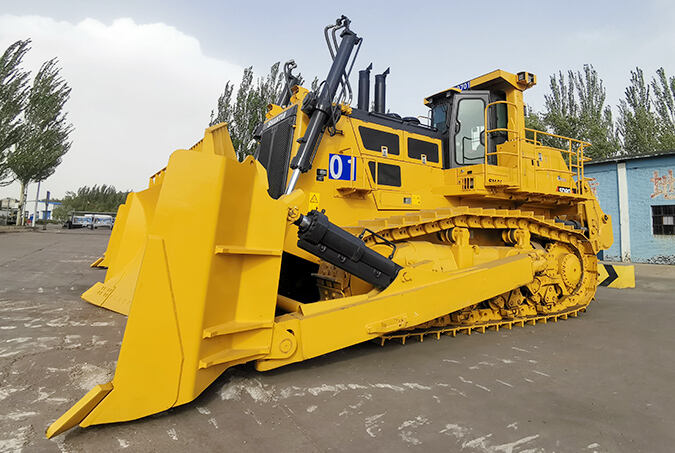
Crawler bulldozers have long been recognized for their superior traction and stability in challenging terrains. Unlike wheeled models, which rely on tires for movement, crawler bulldozers distribute weight over a wider surface area through tracks. This weight distribution reduces ground pressure, enabling the machine to traverse soft or muddy terrain without sinking or losing mobility.
From a market perspective, understanding how crawler bulldozers outperform wheeled counterparts is essential for positioning products and advising clients on equipment investment. Many buyers are initially attracted to wheeled bulldozers due to perceived cost advantages and faster travel on paved surfaces. However, when operational efficiency and task completion in adverse conditions are considered, crawler bulldozers often demonstrate a significant performance edge.
This comparison aims to provide an objective analysis from a marketing and industry insight perspective. It will examine key performance metrics, including chassis stability, hydraulic efficiency, maneuverability, and overall productivity. By highlighting the strengths of crawler bulldozers, construction companies and equipment suppliers can make informed decisions about which machine is best suited for muddy or soft-soil construction sites.
Product Comparison Dimensions
When evaluating crawler bulldozers against wheeled models, several dimensions are critical to understanding performance differences:
Weight Distribution and Stability
Crawler bulldozers are engineered with optimized center-of-gravity placement. By distributing weight evenly across the track system, the machine achieves enhanced stability, especially on soft or uneven surfaces. Wheeled bulldozers, in contrast, concentrate weight on smaller contact points, which increases the likelihood of wheel slip, ground penetration, and potential operational delays.
Chassis and Undercarriage Design
The high-passability undercarriage of a crawler bulldozer is specifically designed to navigate mud, sand, and loose soil. Tracks maintain continuous ground contact, which prevents the vehicle from getting stuck in adverse conditions. Wheeled models, even with all-terrain tires, often struggle with traction on wet or loose surfaces, requiring additional labor or machinery to recover mobility.
Hydraulic System Efficiency
Modern crawler bulldozers feature energy-efficient hydraulic systems that provide consistent blade force while minimizing fuel consumption. These systems are designed to handle prolonged operations in heavy soils without overheating or losing performance. Wheeled bulldozers typically require higher engine output to compensate for traction loss, leading to greater fuel use and increased operating costs.
Maneuverability and Task Versatility
While wheeled bulldozers excel on hard, paved surfaces with faster travel speeds, crawler bulldozers offer superior maneuverability in confined, muddy environments. The tracked design allows precise blade control and efficient grading or excavation, even when traction conditions are poor. This precision translates to reduced cycle times and higher-quality earthmoving results.
Durability and Maintenance
The track-based chassis of a crawler bulldozer absorbs shocks and vibrations from uneven terrain, extending component lifespan and reducing maintenance needs. Wheeled bulldozers face accelerated tire wear and potential suspension damage under muddy conditions. Over the lifecycle of the machine, these factors can significantly affect total cost of ownership.
By analyzing these dimensions, it is evident that crawler bulldozers provide a performance advantage in soft and muddy environments. They combine stability, traction, energy efficiency, and durability to deliver consistent productivity where wheeled models may falter.
Result Analysis
Comparative testing and real-world operational data demonstrate the tangible benefits of crawler bulldozers in muddy construction sites.
Operational Efficiency
Crawler bulldozers consistently complete earthmoving tasks faster in soft soil conditions. The optimized weight distribution and track system reduce slippage and the need for repeated passes. Wheeled bulldozers, on the other hand, often experience wheel spin, which leads to slower progress and increased fuel consumption.
Fuel Consumption and Cost Savings
Energy-efficient hydraulic systems in crawler bulldozers maintain blade force with lower engine output. This reduces overall fuel consumption, even during prolonged operations. In contrast, wheeled bulldozers frequently require higher power settings to maintain momentum, which increases operational costs over time.
Safety and Operator Confidence
Operators working with crawler bulldozers report higher confidence when navigating muddy terrain. The stable platform minimizes tipping risk, while precise track control enhances blade handling. Wheeled bulldozers pose greater safety concerns, especially when traversing slopes or uneven muddy areas.
Project Timelines
Reduced downtime, improved maneuverability, and fewer instances of stuck machinery mean that projects using crawler bulldozers are completed more reliably and on schedule. In muddy conditions, wheeled bulldozers can lead to delays, additional labor requirements, and potential damage to the worksite due to tire ruts or ground compaction.
Durability and Maintenance Impact
The robust track system of a crawler bulldozer absorbs shocks and protects key components, resulting in lower maintenance frequency. Wheeled models require more frequent tire replacements and suspension checks, increasing long-term costs and reducing equipment availability.
In summary, crawler bulldozers offer superior operational performance, energy efficiency, safety, and cost-effectiveness in muddy environments. Market analysis clearly indicates that, for projects with soft soil conditions, tracked machines provide a measurable advantage over wheeled alternatives.
Conclusion and Recommendations
In conclusion, for construction sites with muddy or soft soil conditions, crawler bulldozers outperform wheeled models across multiple performance dimensions. Their optimized weight distribution, high-passability chassis, and energy-efficient hydraulic systems make them the preferred choice for reliable and efficient earthmoving operations.
From a market perspective, positioning crawler bulldozers as the solution for challenging terrains highlights their value proposition to contractors, project managers, and B2B buyers. While wheeled bulldozers remain useful in paved or firm-ground environments, muddy and soft soil conditions reveal the limitations of wheel-based traction systems.
For buyers evaluating machinery investments, the advantages of crawler bulldozers include faster task completion, lower fuel consumption, improved operator safety, and reduced maintenance requirements. These factors collectively lead to lower total cost of ownership and enhanced project efficiency.
We recommend that construction companies and equipment suppliers prioritize crawler bulldozers for sites with high mud or soft soil prevalence. By doing so, they can ensure consistent productivity, reduce operational risks, and deliver projects on time. Additionally, investing in advanced tracked models with optimized hydraulic systems and durable undercarriages provides long-term benefits, including energy savings and minimized equipment downtime.
Ultimately, crawler bulldozers are not just a choice—they are a strategic investment for contractors seeking to maximize performance and reliability in challenging construction environments.