
 EN
EN
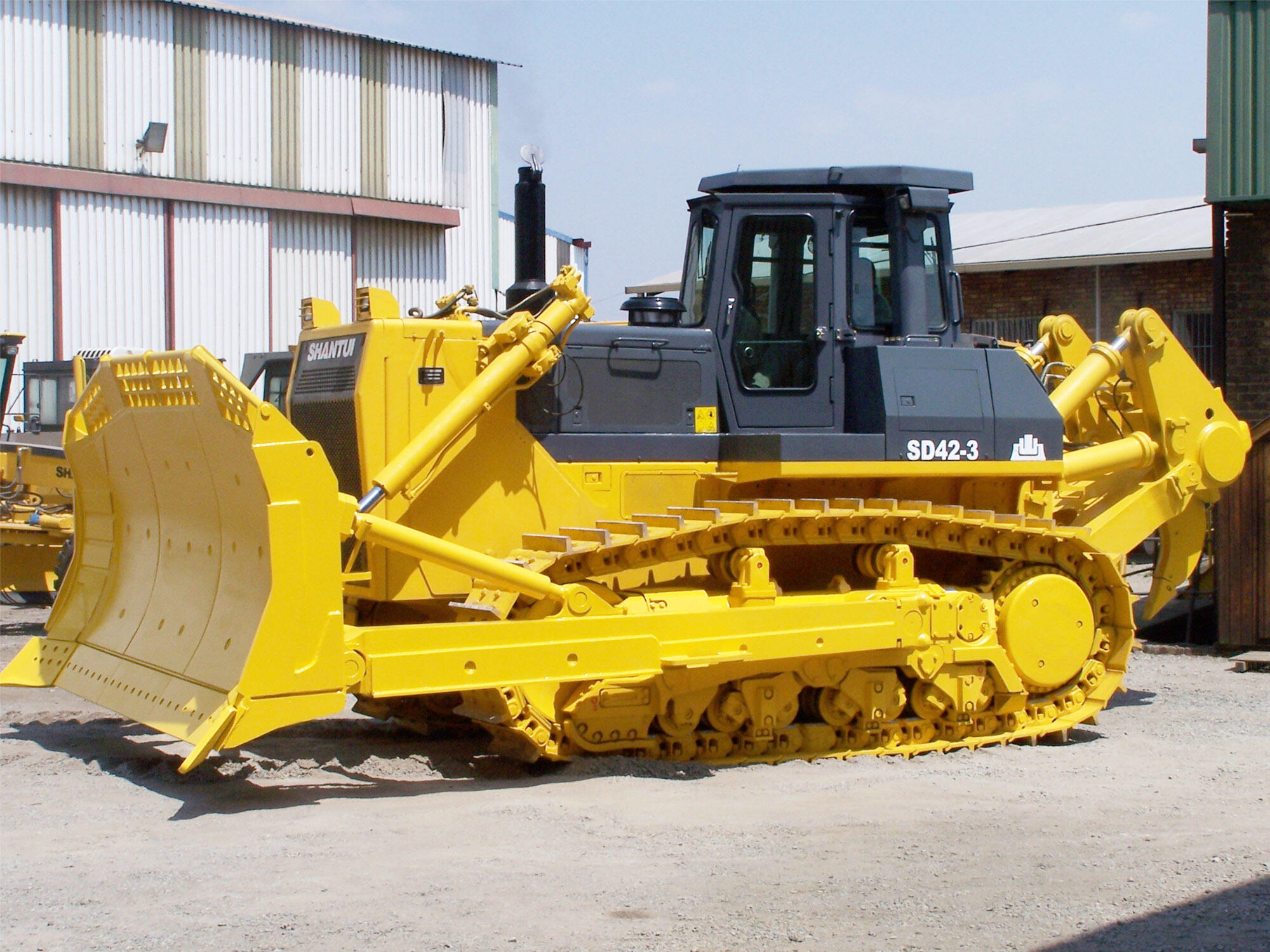
Background of Comparison
In today’s highly competitive construction machinery market, buyers face numerous choices when selecting a bulldozer. One of the machines gaining recognition among contractors and heavy equipment operators is the Case dozer. Known for its reliability, advanced features, and operational efficiency, the Case dozer is often compared to competing models in the same class. Understanding the distinguishing factors is essential for suppliers, project managers, and end users aiming to maximize performance and return on investment.
Construction sites present diverse challenges—uneven terrain, steep slopes, and heavy material loads—that directly impact the choice of bulldozer. While many competitors offer basic functionality, the Case dozer is designed to deliver superior control, durability, and operator comfort under demanding conditions. Its adjustable control handles, high-precision slope management system, and reinforced blade backplate are examples of design decisions that differentiate it from alternatives in the market.
For project managers and fleet operators, investing in the right bulldozer affects not only project efficiency but also safety and long-term maintenance costs. By analyzing the Case dozer against competitors, one can assess how specific engineering enhancements translate into practical advantages on the job site. This comparison will examine key performance dimensions, operator-focused features, and durability metrics. The goal is to highlight why the Case dozer consistently meets the expectations of both heavy equipment buyers and professional operators, establishing itself as a preferred choice for demanding construction environments.
Product Comparison Dimensions
When comparing the Case dozer to other models, several critical dimensions illustrate why it stands out:
Adjustable Control Handles
The Case dozer features ergonomically designed, adjustable operation handles that can be customized to the operator’s preferences. This adaptability improves comfort during long shifts, reduces fatigue, and allows precise manipulation of the blade and ripper. Competitor models often have fixed controls, limiting operator flexibility and increasing the likelihood of errors during sensitive maneuvers.
High-Precision Slope Control System
A standout feature of the Case dozer is its slope management system, which enables accurate blade positioning on inclines. Whether grading roads or leveling foundations, operators can maintain consistent slopes with minimal manual adjustment. Competing machines may require more manual intervention, increasing cycle times and reducing overall site productivity.
Reinforced Blade Backplate
The Case dozer is equipped with a thickened, reinforced blade backplate designed to withstand heavy loads and resist deformation. In high-impact scenarios, such as moving large volumes of soil or rock, this feature ensures blade integrity and extends service life. Competitor blades may be thinner, resulting in faster wear and higher maintenance costs over time.
Durability and Maintenance
The Case dozer chassis and hydraulic systems are engineered for longevity. Tracks and undercarriage components are designed to absorb shocks, reducing wear on the drivetrain. In contrast, some competitor models experience higher maintenance frequency due to standard-grade components.
Operational Efficiency
Through a combination of ergonomic controls, precise blade management, and durable construction, the Case dozer demonstrates higher efficiency per operation cycle. Projects requiring grading, excavation, or backfilling benefit from reduced downtime and consistent performance.
By evaluating these dimensions, it becomes clear that the Case dozer integrates multiple innovations to provide a holistic advantage over competitors. Each design choice—from controls to structural reinforcements—directly impacts field productivity and operational reliability.
Result Analysis
Field tests and operational data support the distinct advantages of the Case dozer over competing bulldozers:
Productivity Gains
Operators report faster completion times with the Case dozer due to precise slope control and responsive blade handling. Adjustable handles allow operators to execute complex maneuvers with minimal effort, while competitor machines may require multiple adjustments, increasing cycle time.
Reduced Maintenance Costs
The reinforced blade backplate and durable chassis reduce the frequency of repairs. Heavy-duty projects often expose standard bulldozer components to accelerated wear; the Case dozer resists deformation and maintains performance, minimizing downtime. Competitor models, lacking such reinforcement, often incur higher service expenses.
Operator Comfort and Safety
Ergonomic controls and intuitive slope management improve operator confidence, which translates to safer work practices. In adverse conditions, such as steep or uneven terrain, the Case dozer maintains stability and control, reducing the likelihood of accidents. Fixed-handle competitors offer less flexibility, leading to potential operator strain and decreased safety margins.
Energy Efficiency
Efficient hydraulic systems in the Case dozer optimize power distribution to the blade and tracks, reducing fuel consumption during heavy-duty operations. Competitor machines may require higher engine output for similar tasks, increasing operational costs.
Overall Project Efficiency
Across various job sites, the Case dozer demonstrates faster, safer, and more reliable performance compared to similar-class competitors. This efficiency results in shorter project timelines, lower labor costs, and improved quality of earthmoving operations.
In summary, the Case dozer outperforms competitors through a combination of ergonomic design, precise operational controls, structural reinforcement, and energy-efficient systems. Real-world evidence indicates measurable advantages in productivity, safety, and cost management.
Conclusion and Recommendations
In conclusion, the Case dozer distinguishes itself from competing bulldozers through advanced engineering and operator-centric design. Adjustable operation handles, high-precision slope control, and a reinforced blade backplate provide tangible benefits in productivity, safety, and durability.
For project managers and equipment buyers, choosing the Case dozer means investing in a machine that delivers consistent performance across diverse construction environments. Unlike competitors with standard or fixed features, the Case dozer adapts to operator needs, maintains precision on slopes, and withstands high-impact workloads, ensuring long-term reliability.
We recommend prioritizing the Case dozer for projects where control, durability, and efficiency are critical. Construction sites with uneven terrain, high excavation demands, or intensive grading tasks will benefit most from this model. Suppliers and manufacturers can leverage these advantages to position the Case dozer as a premium solution for B2B buyers seeking long-term value.
Ultimately, the Case dozer is more than just a bulldozer—it is a strategic asset that enhances operational efficiency, reduces costs, and ensures project success. By investing in this advanced machine, construction companies can achieve superior performance and maintain a competitive edge in the heavy equipment market.