 EN
EN
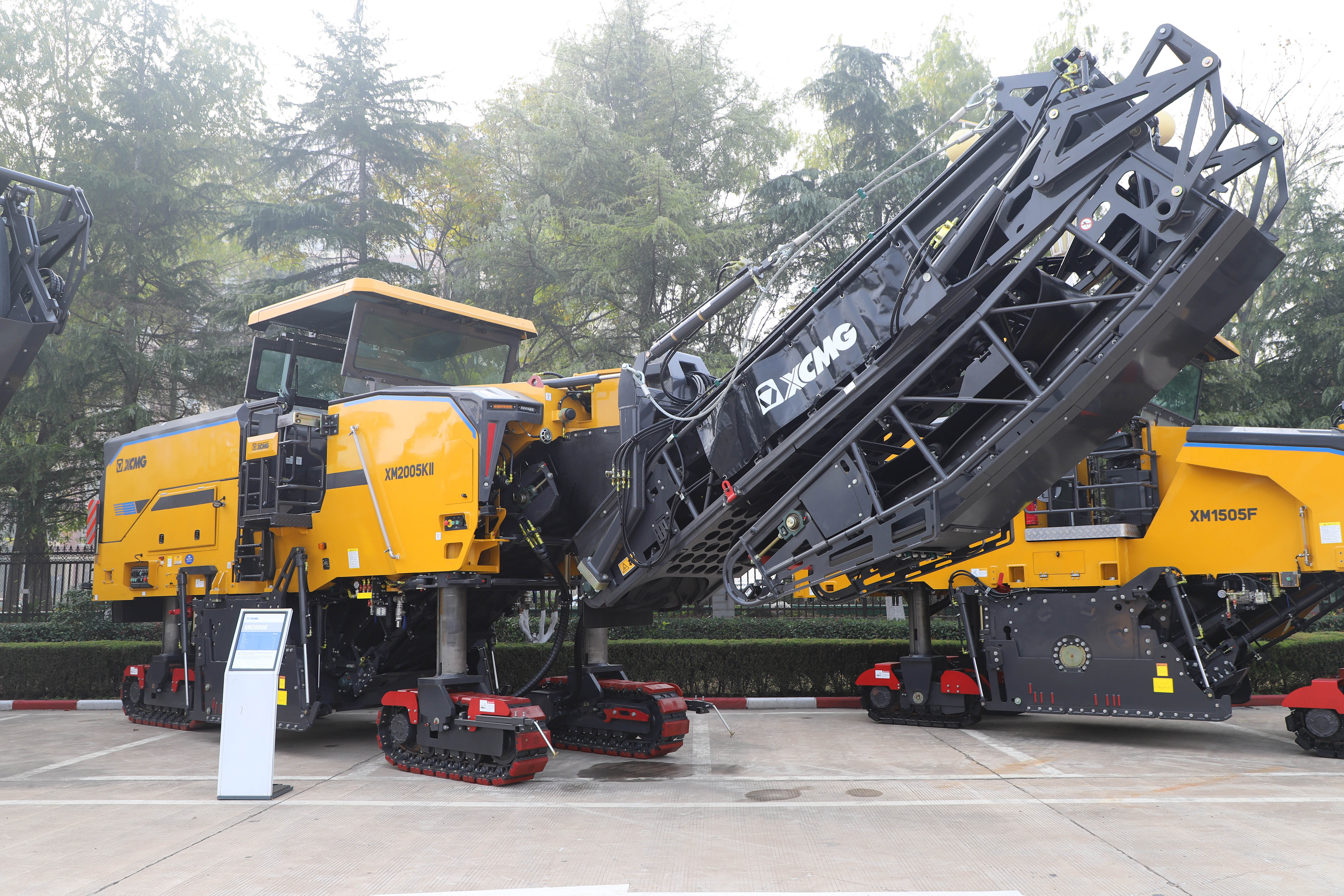
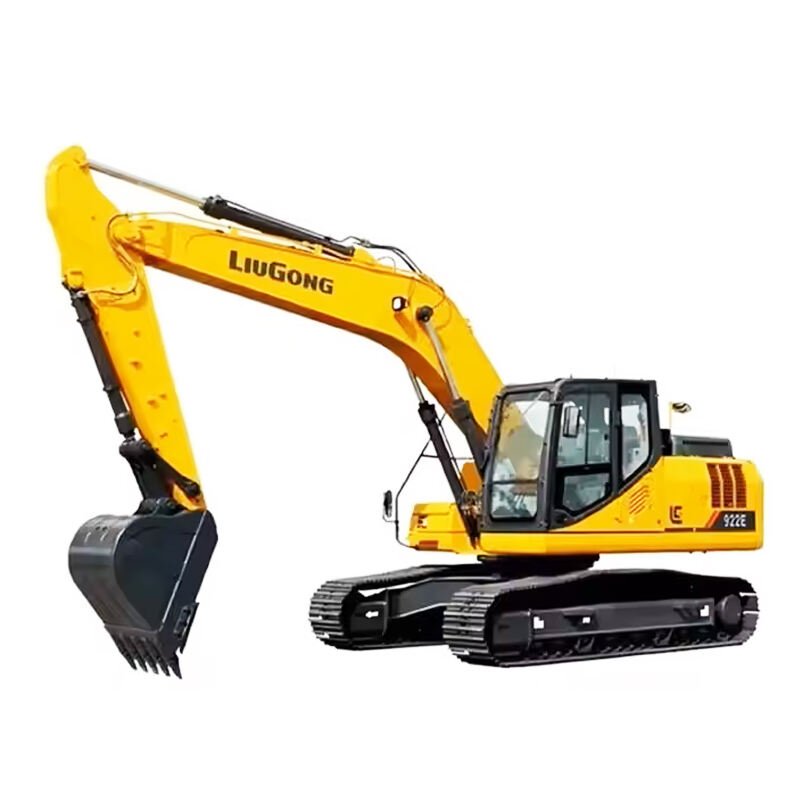
We maintain an inventory of quality asphalt milling machines for sale to meet the needs of contractors looking to enter or expand in the road rehab market. We understand that availability is key, and we offer machines that have been inspected and are ready to work. We provide transparent information about the condition and history of each machine, allowing our clients to make informed decisions and quickly capitalize on new business opportunities.
When considering an Asphalt Milling Machine for sale, it is crucial to evaluate the features that directly impact profitability, reliability, and versatility on the job site. Three key aspects that define a wise investment are its Efficient Milling Drum with Quick-Change Tool System, its Versatile Drive System (Tracks/Wheels), and its Advanced Operator Environment with Diagnostic Systems. These features collectively ensure high productivity, minimal downtime, and operational ease.
The Efficient Milling Drum with Quick-Change Tool System is the primary revenue-generating component of the machine. A well-designed drum, loaded with strategically placed carbide-tipped tools, ensures aggressive and clean cutting, producing a uniform texture and optimizing material flow onto the conveyor. However, tool wear is an inevitable operating cost. Therefore, a quick-change tool system is not just a convenience but a critical feature for maximizing machine uptime and reducing labor costs. These systems allow operators to replace worn or damaged cutting tools rapidly and safely, often without the need for specialized heavy tools or excessive manual labor. This minimizes the time the machine is stationary for maintenance, directly translating into more milling hours per day and higher overall project profitability. The efficiency of the drum itself, in terms of power transfer and material ejection, also contributes to lower fuel consumption and higher production rates, making it a central focus for any buyer.
The choice of Drive System—whether robust tracks or highly mobile wheels—defines the machine's application versatility and traction. Track-driven machines offer superior ground grip and stability, making them ideal for steep slopes, soft subgrades, and uneven terrain. They exert low ground pressure, preventing damage to the underlying surface, which is essential for airport aprons or when the subbase must be preserved. Wheel-driven machines, on the other hand, provide higher travel speeds between job sites or on public roads, reducing the need for a low-bed trailer and increasing mobility for multi-site projects. Some advanced models feature four-track or four-wheel drive systems that enhance traction even further. Understanding the primary type of work you undertake is key to selecting the right drive system, as it significantly impacts where and how efficiently the machine can operate.
Finally, the Advanced Operator Environment with Diagnostic Systems is a feature that significantly enhances productivity and reduces operating costs in the long run. A comfortable, quiet, and safe ROPS-certified cabin with air conditioning reduces operator fatigue, leading to better concentration, higher quality work, and longer productive shifts. More importantly, integrated electronic monitoring and diagnostic systems are invaluable. These systems constantly monitor engine performance, hydraulic pressure, temperatures, and other critical parameters. They provide real-time data to the operator and can alert them to potential issues before they lead to a major failure. This allows for proactive maintenance and troubleshooting. Detailed fault codes simplify the diagnostic process for mechanics, drastically reducing repair time and costs. For a buyer, this means protecting their investment by preventing costly catastrophic failures, ensuring consistent operation, and simplifying maintenance routines.