
 EN
EN
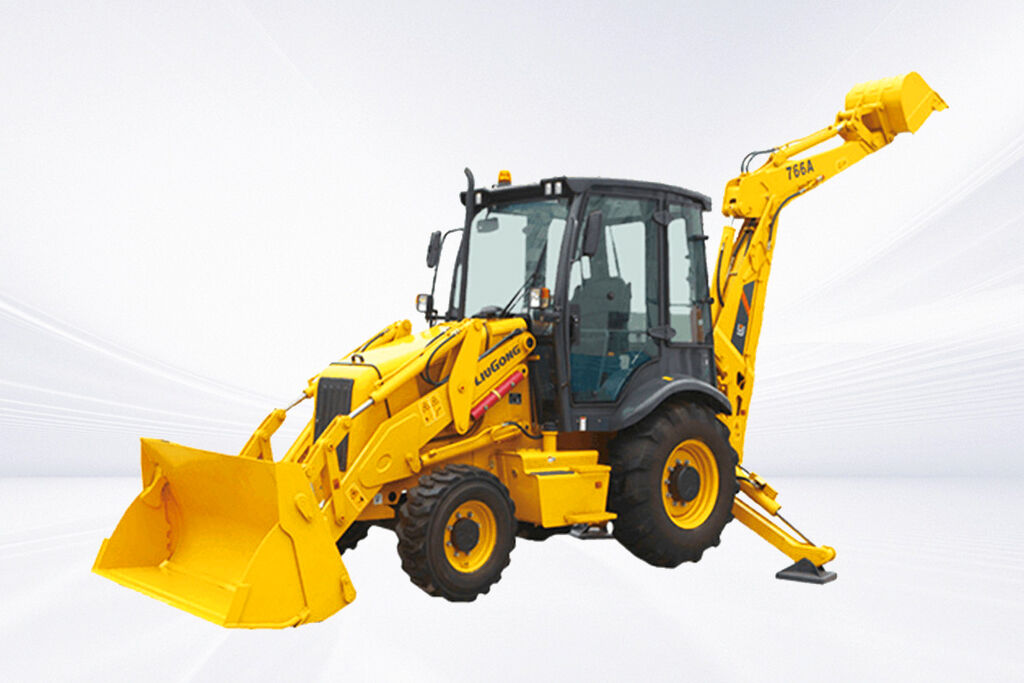
The backhoe loader stands as a testament to engineering ingenuity in the construction equipment industry, earning its reputation as the most versatile machine on virtually every job site. This remarkable piece of equipment combines the functionality of multiple machines into one cohesive unit, making it an indispensable asset for contractors, municipalities, and construction professionals worldwide. The unique design of the backhoe loader allows operators to perform excavation, loading, material handling, and numerous other tasks without requiring multiple specialized machines.
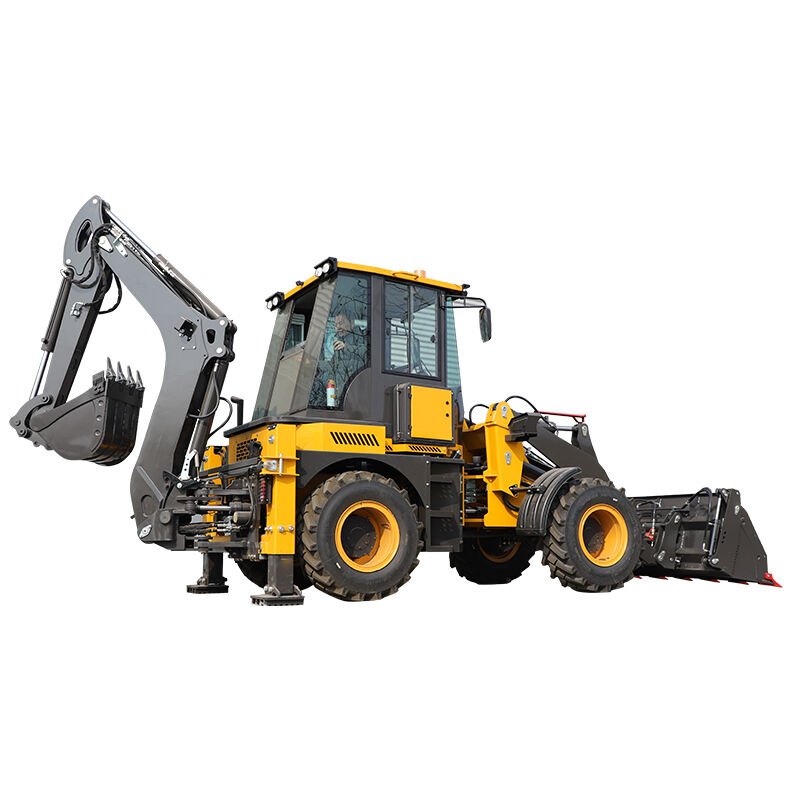
Understanding why the backhoe loader has achieved such widespread recognition requires examining its multifaceted capabilities, economic advantages, and practical applications across diverse industries. From urban construction projects to rural agricultural work, the backhoe loader consistently proves its worth by delivering exceptional performance, operational efficiency, and cost-effectiveness. This comprehensive analysis explores the fundamental reasons behind the backhoe loader's versatility and why it continues to dominate construction equipment fleets globally.
Dual-Function Design Philosophy
Front Loader Capabilities
The front-mounted loader bucket of a backhoe loader provides exceptional material handling capabilities that rival dedicated front-end loaders. This component allows operators to scoop, carry, and dump various materials including soil, gravel, sand, and debris with remarkable efficiency. The loader arm's hydraulic system delivers impressive lifting capacity while maintaining precise control for delicate operations. Construction teams appreciate this functionality because it eliminates the need for separate loading equipment on many projects.
The front loader design incorporates advanced hydraulic cylinders that provide smooth, powerful lifting motions capable of handling substantial loads. Professional operators can manipulate materials at various heights and angles, making the backhoe loader ideal for loading trucks, filling trenches, and moving stockpiled materials. The bucket's versatility extends beyond basic loading operations to include grading, leveling, and material spreading tasks that would otherwise require additional specialized equipment.
Rear Excavator Functionality
The rear-mounted excavator arm distinguishes the backhoe loader from conventional front-end loaders by providing precise digging and excavation capabilities. This powerful hydraulic system enables operators to dig trenches, excavate foundations, remove stumps, and perform detailed excavation work with exceptional accuracy. The excavator arm's articulated design allows for reaching into confined spaces and working at various depths that would be impossible with traditional excavation methods.
Construction professionals value the excavator arm's ability to perform both rough excavation and precision work within the same operational framework. The hydraulic controls provide fingertip sensitivity for delicate operations while delivering substantial digging force when tackling challenging soil conditions. This dual capability makes the backhoe loader invaluable for projects requiring both excavation and material handling operations.
Economic Advantages and Cost Efficiency
Single Machine Investment
The economic appeal of the backhoe loader stems from its ability to replace multiple specialized machines, dramatically reducing capital investment requirements for construction companies. Rather than purchasing separate excavators, front-end loaders, and additional support equipment, contractors can acquire one versatile machine that performs multiple functions effectively. This consolidated approach significantly reduces initial equipment costs while simplifying fleet management and maintenance schedules.
Fleet managers recognize the backhoe loader as a strategic investment that provides exceptional return on capital through its multifunctional capabilities. The machine's versatility translates into higher utilization rates compared to specialized equipment that may sit idle between specific tasks. This improved asset utilization directly impacts profitability by maximizing productive hours while minimizing equipment downtime and associated carrying costs.
Operational Cost Reduction
Beyond initial purchase considerations, the backhoe loader delivers ongoing operational savings through reduced fuel consumption, maintenance costs, and operator requirements. Operating one machine instead of multiple specialized units results in lower fuel expenses, reduced insurance premiums, and simplified maintenance protocols. The standardized hydraulic systems and common component design across backhoe loader models facilitate efficient maintenance practices and parts inventory management.
Transportation costs represent another significant advantage, as contractors can move one machine to job sites rather than coordinating multiple pieces of equipment. This mobility factor reduces logistics complexity and associated transportation expenses while enabling faster project mobilization. The backhoe loader's compact design allows for efficient transportation on standard trailers without requiring special permits or oversized load considerations that often accompany larger specialized equipment.
Attachment Versatility and Adaptability
Hydraulic Attachment Systems
Modern backhoe loaders incorporate sophisticated hydraulic attachment systems that dramatically expand their functional capabilities beyond basic digging and loading operations. Quick-connect hydraulic couplers enable operators to rapidly change between various attachments including hammers, augers, brush cutters, and specialty buckets without requiring extensive reconfiguration time. This attachment versatility transforms the backhoe loader from a dual-purpose machine into a multi-tool platform capable of addressing diverse project requirements.
The standardized hydraulic interfaces found on contemporary backhoe loaders support a vast ecosystem of compatible attachments from various manufacturers. This interchangeability provides contractors with extensive options for customizing their equipment to match specific project needs without being limited to single-manufacturer solutions. The hydraulic system's power and flow characteristics are specifically designed to accommodate these varied attachments while maintaining optimal performance across different applications.
Specialized Application Tools
The availability of specialized attachments extends the backhoe loader's utility into niche applications that would otherwise require dedicated equipment. Hydraulic hammers enable concrete demolition and rock breaking, while auger attachments facilitate precise hole drilling for fence posts, signs, and utility installations. Brush cutting attachments transform the backhoe loader into an effective land clearing tool, while specialty buckets optimize performance for specific material types and soil conditions.
Professional contractors leverage this attachment ecosystem to bid on diverse projects with confidence, knowing their backhoe loader can adapt to varying requirements through strategic attachment selection. The ability to quickly reconfigure the machine for different tasks within the same project maximizes productivity while minimizing equipment changeover time. This adaptability makes the backhoe loader particularly valuable for contractors serving multiple market segments or handling varied project types throughout the year.
Operational Flexibility and Site Adaptability
Compact Design Advantages
The backhoe loader's compact footprint provides exceptional maneuverability in constrained work environments where larger specialized equipment cannot operate effectively. Urban construction projects, residential developments, and tight commercial sites benefit from the machine's ability to navigate narrow spaces while maintaining full operational capability. The articulated steering system and relatively short wheelbase enable the backhoe loader to work efficiently in confined areas without compromising performance or safety.
Site logistics become significantly simpler when utilizing backhoe loaders due to their moderate size and weight characteristics. The machine can access areas through standard gates and doorways while providing sufficient ground clearance for rough terrain navigation. This accessibility factor makes the backhoe loader ideal for renovation projects, utility work, and maintenance operations in established environments where space constraints limit equipment options.
Multi-Directional Capability
The unique positioning of the operator cab between the front loader and rear excavator provides exceptional visibility and control over both operational ends of the machine. This central command position enables efficient coordination of dual operations while maintaining awareness of surrounding site conditions. Experienced operators can seamlessly transition between front and rear functions without repositioning the machine, maximizing productivity and minimizing cycle times.
The backhoe loader's ability to work in multiple directions without repositioning provides significant advantages in projects requiring frequent material movement and placement. Operators can dig material with the rear excavator, rotate the cab, and immediately load the extracted material using the front bucket. This coordinated capability eliminates the multiple machine passes typically required when using separate specialized equipment, resulting in faster project completion and improved fuel efficiency.
Industry Applications and Use Cases
Construction and Infrastructure
The construction industry represents the primary market for backhoe loaders due to their exceptional ability to handle diverse tasks throughout different project phases. Foundation work benefits from the precise excavation capabilities of the rear arm, while site preparation and material placement utilize the front loader's capacity and reach. Road construction projects leverage the backhoe loader for utility installation, drainage work, and roadway preparation tasks that require both excavation and material handling capabilities.
Infrastructure maintenance operations particularly value the backhoe loader's versatility for addressing unexpected challenges and routine maintenance tasks. Municipal crews rely on these machines for pothole repair, culvert cleaning, snow removal, and emergency response situations where rapid deployment and multifunctional capability are essential. The machine's ability to handle both planned maintenance and emergency response situations makes it invaluable for infrastructure management organizations.
Agricultural and Landscaping Applications
Agricultural operations have embraced the backhoe loader for its ability to handle diverse farm tasks including land clearing, pond construction, drainage installation, and material handling. The machine's moderate size allows operation in agricultural settings without causing excessive soil compaction or crop damage. Farmers appreciate the dual functionality for both field preparation and ongoing maintenance operations throughout the agricultural season.
Landscaping professionals utilize backhoe loaders for large-scale grading, irrigation installation, hardscape construction, and tree planting operations. The precise control offered by both the front and rear hydraulic systems enables delicate work around existing vegetation while providing the power necessary for major earth moving projects. The machine's versatility allows landscaping contractors to handle projects ranging from residential installations to large commercial developments with a single piece of equipment.
FAQ
What makes a backhoe loader more versatile than dedicated excavators or front-end loaders?
The backhoe loader's versatility stems from its dual-function design that combines excavation and loading capabilities in one machine. Unlike dedicated excavators that only dig or front-end loaders that only handle materials, the backhoe loader can perform both functions seamlessly. This eliminates the need for multiple machines on job sites and enables operators to complete complex tasks that require both digging and material handling without repositioning equipment or coordinating multiple operators.
How does the backhoe loader's size contribute to its versatility?
The compact design of the backhoe loader allows it to access confined work areas where larger specialized equipment cannot operate effectively. This size advantage enables the machine to work in urban environments, residential areas, and tight commercial sites while maintaining full operational capability. The moderate footprint also simplifies transportation and storage requirements while providing sufficient power and capacity for most construction and maintenance applications.
Can backhoe loaders effectively replace multiple specialized machines on construction projects?
Yes, backhoe loaders can effectively replace multiple specialized machines for many construction applications. The machine's dual functionality eliminates the need for separate excavators and front-end loaders on most projects, while the extensive attachment ecosystem enables specialization for specific tasks. However, extremely large-scale operations or highly specialized applications may still benefit from dedicated equipment that offers superior capacity or performance in specific areas.
What factors should contractors consider when evaluating backhoe loader versatility for their operations?
Contractors should evaluate their typical project requirements, site conditions, and operational constraints when assessing backhoe loader suitability. Key considerations include material handling volumes, excavation depths, attachment requirements, site access limitations, and operator skill levels. The machine's versatility is most beneficial for contractors handling diverse project types, working in constrained environments, or requiring flexible equipment that can adapt to changing project demands throughout the work cycle.
Table of Contents
- Dual-Function Design Philosophy
- Economic Advantages and Cost Efficiency
- Attachment Versatility and Adaptability
- Operational Flexibility and Site Adaptability
- Industry Applications and Use Cases
-
FAQ
- What makes a backhoe loader more versatile than dedicated excavators or front-end loaders?
- How does the backhoe loader's size contribute to its versatility?
- Can backhoe loaders effectively replace multiple specialized machines on construction projects?
- What factors should contractors consider when evaluating backhoe loader versatility for their operations?