
 EN
EN
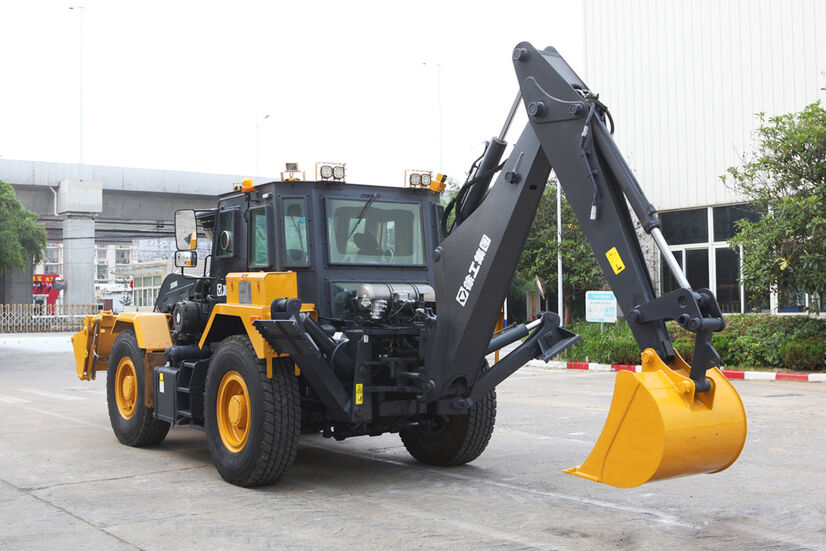
Understanding how a backhoe loader's configuration directly impacts your operational efficiency starts with recognizing that this versatile machine's design fundamentally determines its performance capabilities. The specific arrangement of hydraulic systems, boom geometry, bucket specifications, and loader arm positioning creates measurable differences in digging force, reach, loading capacity, and cycle times that translate to real productivity gains on your jobsite.
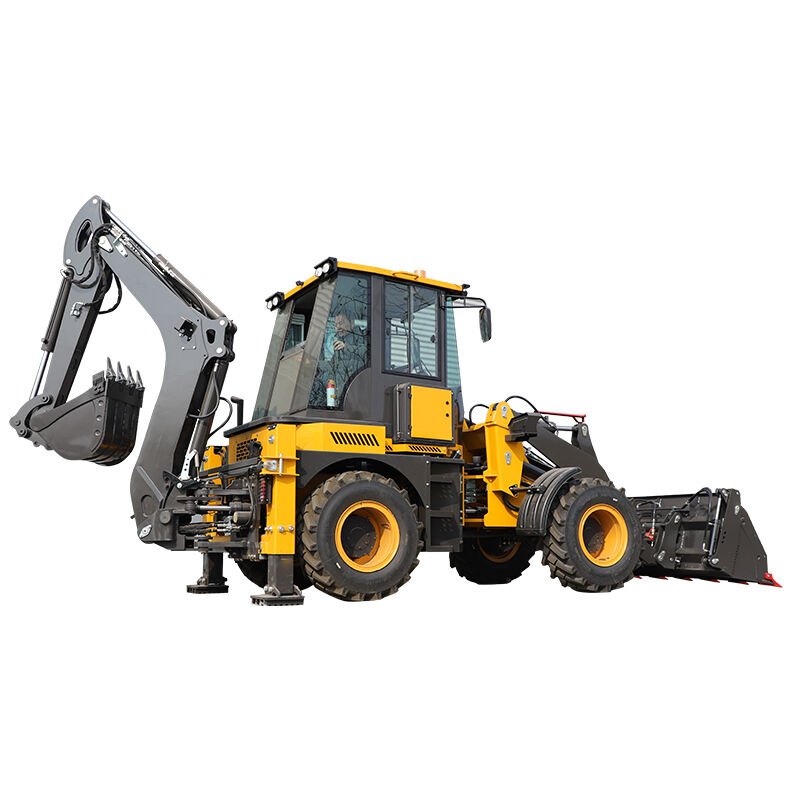
The configuration of a backhoe loader encompasses multiple interconnected systems that work together to optimize both digging and loading operations. From the hydraulic flow rates that determine cycle speed to the boom and stick geometry that affects reach and breakout force, every design element plays a crucial role in how effectively your machine performs specific tasks. Professional operators who understand these configuration relationships can make informed decisions that significantly improve their project outcomes and operational costs.
Hydraulic System Configuration Impact on Performance
Hydraulic Flow Rate and Pressure Optimization
The hydraulic configuration of a backhoe loader directly controls how quickly and powerfully the machine can execute digging and loading cycles. High-flow hydraulic systems enable faster boom, stick, and bucket movements, reducing cycle times by up to thirty percent compared to standard configurations. The pressure settings determine the maximum breakout force available for challenging digging conditions, with properly configured systems delivering consistent power throughout the operating range.
Modern backhoe loader configurations incorporate variable displacement pumps that automatically adjust flow based on load requirements. This intelligent hydraulic management ensures optimal performance while reducing fuel consumption during lighter operations. The configuration also includes priority valve systems that direct hydraulic power where it's needed most, preventing power loss during simultaneous operations like digging while positioning the loader bucket.
Hydraulic Attachment Integration
Advanced backhoe loader configurations feature auxiliary hydraulic circuits specifically designed to power specialized attachments. These systems provide dedicated flow and pressure control for hammers, augers, grapples, and other tools that expand the machine's capabilities. The configuration includes quick-connect hydraulic couplers and electronic control integration that allows operators to switch between attachments efficiently without losing productivity.
The auxiliary hydraulic configuration also determines compatibility with different attachment manufacturers and flow requirements. Properly specified systems ensure that specialized digging tools like ripper teeth or frost buckets receive adequate hydraulic power to perform effectively. This configuration flexibility allows a single backhoe loader to handle diverse applications from precise utility trenching to aggressive rock excavation.
Boom and Stick Geometry for Enhanced Digging Performance
Reach and Depth Configuration Advantages
The geometric configuration of boom and stick assemblies determines the maximum digging depth, horizontal reach, and working envelope of a backhoe loader. Extended stick configurations provide deeper digging capability, essential for utility installations, foundation work, and drainage applications. The boom geometry affects the machine's ability to maintain stable digging angles and optimal crowd force throughout the digging cycle.
Strategic boom configuration also influences the backhoe loader's ability to work effectively in confined spaces. Shorter boom configurations with optimized geometry provide better maneuverability in tight urban environments while maintaining adequate digging force. The relationship between boom length, stick configuration, and bucket positioning creates specific advantages for different types of excavation work, from precision trenching to bulk material handling.
Force Distribution and Stability Enhancement
The configuration of boom and stick geometry directly affects how digging forces are distributed throughout the backhoe loader's structure. Optimized geometry reduces stress concentrations at pivot points while maximizing the mechanical advantage available for breakout force. This configuration consideration extends machine life while improving digging performance in challenging soil conditions.
Proper geometric configuration also enhances the backhoe loader's stability during digging operations. The boom and stick positioning affects the machine's center of gravity and load distribution on the stabilizer legs. Well-configured geometry ensures that maximum digging forces can be applied without compromising machine stability, particularly important when working on slopes or uneven terrain where balance becomes critical for safe operation.
Loader Arm and Bucket Configuration for Material Handling
Loading Capacity and Cycle Time Optimization
The front loader configuration of a backhoe loader significantly impacts material handling productivity through optimized bucket capacity, lift height, and dump clearance specifications. Larger bucket configurations increase payload per cycle but may reduce maneuverability in tight spaces. The loader arm geometry determines the maximum lift height and reach, critical factors when loading trucks or stockpiling materials at specific elevations.
Advanced loader configurations incorporate parallel lift mechanisms that maintain bucket orientation throughout the lift cycle. This configuration prevents material spillage and enables precise placement of loads, particularly valuable when handling granular materials or working in confined loading areas. The hydraulic configuration of the loader system also affects lift speed and lowering control, directly impacting cycle times and operational efficiency.
Bucket Design and Attachment Versatility
The bucket configuration on both the loader and backhoe ends of the machine determines material handling capabilities and application versatility. Different bucket profiles, cutting edge configurations, and capacity specifications optimize the backhoe loader for specific materials and working conditions. Rock buckets with reinforced construction and specialized cutting edges improve performance in abrasive conditions, while general purpose buckets provide versatility across multiple applications.
Quick-attach bucket systems enable rapid configuration changes to match specific job requirements. This configuration flexibility allows operators to switch from a narrow trenching bucket to a wide grading bucket within minutes, maximizing the backhoe loader's utility across diverse tasks. The attachment system configuration also affects compatibility with specialized tools like grapples, forks, and sweepers that expand the machine's functionality beyond traditional digging and loading operations.
Engine and Drivetrain Configuration for Operational Efficiency
Power Management and Fuel Efficiency
The engine configuration of a backhoe loader determines available power for hydraulic systems, drivetrain operation, and auxiliary functions. Modern configurations feature electronic engine management systems that optimize power delivery based on load requirements and operating conditions. This intelligent power management reduces fuel consumption while ensuring adequate performance for demanding applications.
Advanced backhoe loader configurations incorporate variable engine speed control that automatically adjusts rpm based on hydraulic demand. This configuration reduces noise levels, fuel consumption, and engine wear during lighter operations while providing full power when needed for heavy digging or loading tasks. The engine configuration also affects emissions compliance and determines compatibility with different fuel types and quality standards.
Transmission and Mobility Configuration
The drivetrain configuration affects the backhoe loader's mobility, traction capability, and operational versatility. Four-wheel drive configurations provide enhanced traction in challenging terrain conditions, while two-wheel drive systems offer improved fuel efficiency on stable surfaces. The transmission configuration determines available ground speeds and affects the machine's ability to travel efficiently between work areas.
Modern backhoe loader configurations feature powershift transmissions with multiple forward and reverse gears that enable smooth operation without clutch engagement. This configuration reduces operator fatigue and improves productivity during applications requiring frequent direction changes. The differential lock configuration provides additional traction control for challenging ground conditions while maintaining maneuverability on firm surfaces.
Operator Environment Configuration for Productivity
Cab Design and Control Integration
The operator cab configuration directly impacts productivity through ergonomic design, visibility optimization, and control system integration. Modern backhoe loader configurations feature 360-degree visibility designs that reduce blind spots during digging and loading operations. The seat configuration and control placement affect operator comfort and reduce fatigue during extended operating periods, maintaining consistent productivity throughout the work day.
Advanced cab configurations incorporate integrated control systems that provide operators with real-time performance feedback and diagnostic information. This configuration enables proactive maintenance scheduling and optimal operating technique development. Climate control systems and noise insulation configurations create comfortable working environments that support operator focus and efficiency across varying weather conditions.
Technology Integration and Automation Features
Modern backhoe loader configurations increasingly incorporate technology systems that enhance operational precision and efficiency. GPS integration enables precise grade control and excavation depth management, reducing over-digging and improving material handling accuracy. The electronic configuration supports telematics systems that provide fleet managers with detailed performance and utilization data for optimizing machine deployment and maintenance scheduling.
Automation features in advanced configurations include boom float modes for grading operations and automatic bucket level systems for loading applications. These configuration elements reduce operator workload while improving consistency and precision. The technology configuration also supports remote monitoring capabilities that enable proactive maintenance and troubleshooting, reducing downtime and maintenance costs.
FAQ
What configuration factors most significantly impact backhoe loader digging performance?
The hydraulic system configuration, boom and stick geometry, and bucket design are the primary factors affecting digging performance. High-flow hydraulic systems provide faster cycle times, optimized boom geometry maximizes breakout force and reach, and proper bucket configuration ensures efficient material penetration and retention. These elements work together to determine overall digging productivity and capability in various soil conditions.
How does loader arm configuration affect material handling efficiency?
Loader arm configuration determines lift capacity, dump height, reach, and cycle speed, all critical factors for material handling efficiency. Parallel lift configurations maintain bucket orientation throughout the lift cycle, preventing spillage and enabling precise load placement. The hydraulic flow allocation to the loader circuit affects lift and lower speeds, directly impacting cycle times and overall productivity in loading operations.
Can backhoe loader configuration be modified for specific applications?
Many configuration elements can be modified or upgraded to optimize backhoe loader performance for specific applications. Bucket changes, auxiliary hydraulic additions, and attachment system upgrades are common modifications. However, major structural changes like boom geometry or hydraulic system capacity are typically not feasible after manufacturing. Selecting the appropriate initial configuration based on primary applications is crucial for optimal performance.
What role does engine configuration play in backhoe loader versatility?
Engine configuration determines available power for all machine systems and affects fuel efficiency, emissions compliance, and operational capability. Proper engine sizing ensures adequate power for demanding applications while maintaining efficiency during lighter tasks. Modern electronic engine management configurations optimize power delivery and fuel consumption based on real-time operating conditions, enhancing overall machine versatility and operating cost effectiveness.
Table of Contents
- Hydraulic System Configuration Impact on Performance
- Boom and Stick Geometry for Enhanced Digging Performance
- Loader Arm and Bucket Configuration for Material Handling
- Engine and Drivetrain Configuration for Operational Efficiency
- Operator Environment Configuration for Productivity
-
FAQ
- What configuration factors most significantly impact backhoe loader digging performance?
- How does loader arm configuration affect material handling efficiency?
- Can backhoe loader configuration be modified for specific applications?
- What role does engine configuration play in backhoe loader versatility?