
 EN
EN
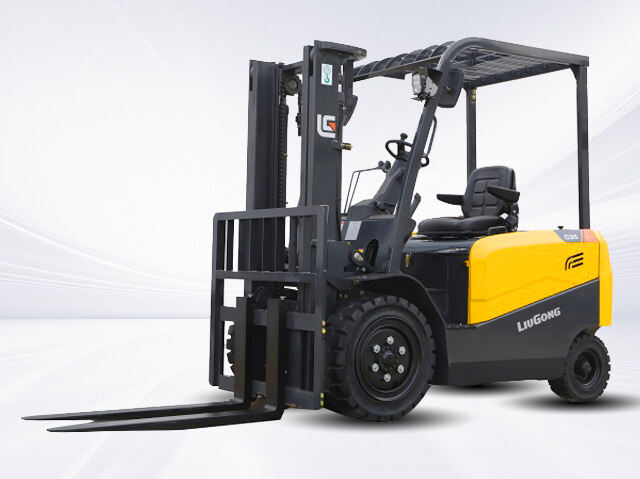
Electric forklifts have emerged as a dominant choice in modern warehouse and industrial operations, offering compelling advantages over their internal combustion counterparts. As businesses increasingly prioritize operational efficiency, environmental responsibility, and long-term cost management, the decision between electric and internal combustion forklift models has become a critical consideration for fleet managers and facility operators worldwide.
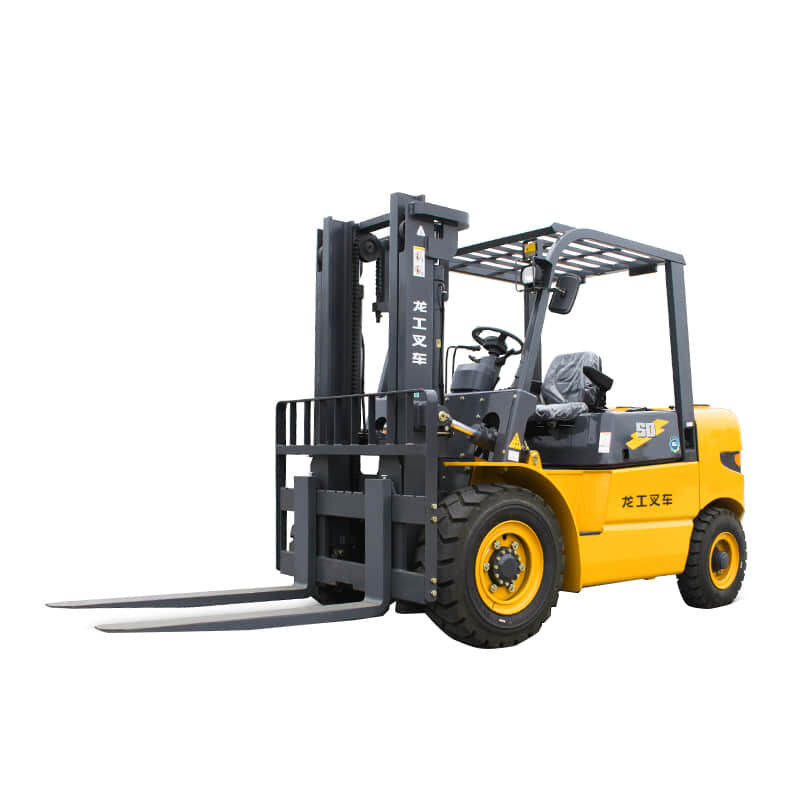
Understanding the specific advantages of electric forklift technology helps organizations make informed decisions that align with their operational goals, budget constraints, and workplace requirements. These benefits extend beyond simple cost considerations to encompass environmental impact, operator comfort, maintenance demands, and overall productivity improvements that can significantly influence business operations over the equipment's lifecycle.
Environmental and Indoor Air Quality Benefits
Zero Direct Emissions for Indoor Operations
Electric forklift models produce zero direct emissions during operation, making them ideal for indoor warehouse environments, food processing facilities, and enclosed storage areas. Unlike internal combustion engines that release carbon monoxide, nitrogen oxides, and particulate matter, electric forklifts operate without compromising indoor air quality or requiring extensive ventilation systems to manage exhaust fumes.
This emission-free operation is particularly crucial in temperature-controlled environments, clean rooms, and facilities handling food products or pharmaceuticals where air purity standards are strictly regulated. The absence of combustion byproducts eliminates health risks for operators and nearby personnel while ensuring compliance with occupational safety and environmental regulations.
Organizations operating in enclosed spaces benefit from reduced ventilation costs and improved working conditions when utilizing electric forklift technology. The clean operation eliminates the need for expensive exhaust management systems and allows for more flexible facility design without considering emission dispersal requirements.
Reduced Carbon Footprint and Sustainability Compliance
Electric forklift adoption supports corporate sustainability initiatives and carbon reduction goals by eliminating direct fossil fuel consumption at the point of use. While electricity generation may involve carbon emissions depending on the regional energy mix, electric forklifts typically demonstrate lower overall carbon footprints when considering the complete energy cycle, especially as renewable energy sources become more prevalent in electrical grids.
Many organizations find that electric forklift fleets help achieve environmental certifications, meet sustainability reporting requirements, and demonstrate corporate responsibility to stakeholders. The ability to power equipment through renewable energy sources, such as solar installations, further enhances the environmental benefits and provides long-term energy independence opportunities.
Electric forklift technology aligns with green building standards and environmental management systems, contributing to LEED certification points and supporting organizations' commitments to reducing their environmental impact while maintaining operational efficiency.
Operational Cost Advantages and Economic Benefits
Lower Energy Costs and Fuel Savings
Electric forklifts typically deliver significant energy cost savings compared to internal combustion models, particularly in regions with stable electricity pricing. The cost per kilowatt-hour of electricity generally remains more predictable than volatile fuel prices, allowing for better budget planning and operational cost forecasting throughout the forklift's service life.
Energy efficiency in electric forklift systems often exceeds that of internal combustion engines, as electric motors convert a higher percentage of stored energy into useful work. This efficiency advantage translates to lower operating costs per hour and reduced total energy consumption for equivalent work output, making electric forklifts economically attractive for high-utilization applications.
Battery charging typically occurs during off-peak hours when electricity rates are lowest, further reducing operational expenses. Smart charging systems can optimize energy consumption patterns to take advantage of time-of-use pricing structures, maximizing cost savings while ensuring equipment availability during peak operational periods.
Reduced Maintenance Requirements and Downtime
Electric forklift designs inherently require less maintenance than internal combustion models due to fewer moving parts and the absence of complex engine systems. Electric motors contain minimal components subject to wear, eliminating the need for oil changes, spark plug replacements, air filter maintenance, and exhaust system servicing that characterize internal combustion forklift maintenance schedules.
The simplified drivetrain and control systems in electric forklifts reduce the frequency of scheduled maintenance intervals and decrease the likelihood of unexpected breakdowns. This reliability advantage translates to increased equipment availability, reduced maintenance labor costs, and lower spare parts inventory requirements for fleet operators.
Battery technology improvements have extended service intervals and reduced maintenance complexity, with modern lithium-ion systems requiring minimal user intervention compared to traditional lead-acid batteries. The reduced maintenance burden allows organizations to allocate technical resources more efficiently while maintaining higher equipment uptime rates.
Performance and Operational Characteristics
Precise Control and Smooth Operation
Electric forklift systems provide superior control precision and smoother operation compared to internal combustion alternatives, thanks to the instant torque delivery and fine-tuned responsiveness of electric motors. This enhanced control capability improves load handling accuracy, reduces product damage risks, and enables more efficient operation in confined spaces or when working with delicate materials.
The absence of engine vibration and smoother power delivery in electric forklifts creates more stable operating conditions for precision tasks, such as high-rack storage operations or delicate product handling. Operators experience less fatigue during extended shifts due to reduced vibration transmission and smoother acceleration characteristics.
Variable speed control and regenerative braking systems in electric forklifts provide enhanced operational flexibility and energy recovery capabilities that internal combustion models cannot match. These features contribute to improved productivity and extended battery life through energy recapture during deceleration and lowering operations.
Consistent Power Output and Performance
Electric forklift motors maintain consistent power output throughout their operating range, unlike internal combustion engines that may experience power variations due to altitude, temperature, or fuel quality factors. This consistent performance ensures reliable lifting capacity and travel speeds regardless of environmental conditions or operating duration.
Battery-powered forklifts deliver full torque from zero RPM, providing superior low-speed maneuverability and immediate response when starting from rest. This characteristic proves particularly valuable in stop-and-go applications, tight maneuvering situations, and applications requiring frequent direction changes or precise positioning.
The predictable performance characteristics of electric forklifts enable better workflow planning and productivity optimization, as operators can rely on consistent equipment capabilities throughout shifts without performance degradation typical of internal combustion engines operating under varying load conditions.
Workplace Environment and Safety Benefits
Reduced Noise Levels and Improved Communication
Electric forklifts operate significantly more quietly than internal combustion models, creating improved workplace environments and enhanced communication capabilities for operators and ground personnel. The reduced noise levels contribute to better situational awareness, allowing operators to hear warning signals, verbal communications, and environmental sounds that might be masked by engine noise.
Lower noise emissions from electric forklifts support compliance with occupational noise exposure regulations and contribute to reduced hearing protection requirements in many applications. The quieter operation proves particularly beneficial in retail environments, healthcare facilities, and multi-shift operations where noise control is essential for maintaining productive work environments.
Noise reduction benefits extend to neighboring properties and community relations, especially important for operations in urban areas or facilities with extended operating hours. Electric forklift fleets enable organizations to maintain good neighbor relationships while supporting flexible scheduling requirements.
Enhanced Safety Features and Risk Reduction
Electric forklift designs often incorporate advanced safety features and control systems that may be more difficult to implement in internal combustion models. These safety enhancements include precise speed control, automatic parking brakes, and sophisticated stability management systems that reduce accident risks and protect both operators and nearby personnel.
The absence of hot exhaust systems and reduced fire risks in electric forklifts improve safety conditions, particularly in environments handling flammable materials or operating in confined spaces. Electric systems eliminate ignition sources associated with combustion engines, reducing explosion risks in hazardous material handling applications.
Advanced diagnostic and monitoring capabilities in modern electric forklift systems provide real-time feedback on equipment condition, operator behavior, and maintenance requirements. These systems contribute to proactive safety management and help prevent equipment-related incidents through early warning systems and performance monitoring.
FAQ
How long do electric forklift batteries typically last compared to the lifespan of internal combustion engines?
Modern lithium-ion forklift batteries typically provide 3,000 to 5,000 charge cycles, equivalent to 5-8 years of normal operation, while lead-acid batteries usually last 1,500 to 2,000 cycles. Internal combustion forklift engines generally require major overhauls or replacement after 10,000 to 15,000 operating hours, but their total cost of ownership often exceeds electric alternatives due to higher maintenance and fuel costs throughout their service life.
Can electric forklifts match the lifting capacity and performance of diesel or propane-powered models?
Modern electric forklifts can match or exceed the lifting capacities of internal combustion models in most applications, with electric units available in capacities ranging from 1 ton to over 50 tons. While some heavy-duty applications may still favor internal combustion for extended runtime requirements, advances in battery technology and motor design have largely eliminated performance gaps, with electric models often providing superior precision and control characteristics.
What are the main challenges organizations face when transitioning from internal combustion to electric forklift fleets?
The primary challenges include higher initial purchase costs for electric forklifts, infrastructure requirements for charging systems, and potential workflow adjustments for battery management. However, these challenges are often offset by lower operating costs, reduced maintenance requirements, and improved workplace conditions. Proper planning for charging infrastructure and battery management protocols typically addresses most transition concerns while delivering long-term operational benefits.
Are there specific applications where internal combustion forklifts still outperform electric models?
Internal combustion forklifts may still be preferred for continuous heavy-duty outdoor applications, operations in extremely cold environments where battery performance is compromised, and situations requiring rapid refueling capabilities without charging downtime. However, advances in fast-charging technology and cold-weather battery systems are rapidly reducing these application limitations, making electric forklifts viable for an increasingly broad range of industrial applications.
Table of Contents
- Environmental and Indoor Air Quality Benefits
- Operational Cost Advantages and Economic Benefits
- Performance and Operational Characteristics
- Workplace Environment and Safety Benefits
-
FAQ
- How long do electric forklift batteries typically last compared to the lifespan of internal combustion engines?
- Can electric forklifts match the lifting capacity and performance of diesel or propane-powered models?
- What are the main challenges organizations face when transitioning from internal combustion to electric forklift fleets?
- Are there specific applications where internal combustion forklifts still outperform electric models?