
 EN
EN
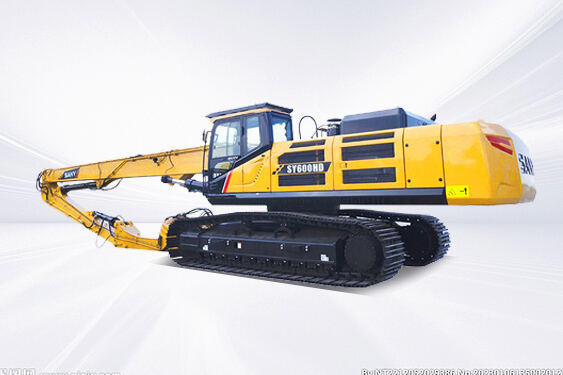
Construction sites demand the highest level of safety awareness, particularly when operating heavy machinery like a pile drilling machine. These powerful pieces of equipment are essential for foundation work across commercial, residential, and industrial projects, but they also present significant risks if not handled properly. Understanding comprehensive safety protocols, proper maintenance procedures, and operational best practices is crucial for preventing accidents and ensuring project success. Every operator must recognize that safety measures are not optional guidelines but mandatory requirements that protect both personnel and equipment investments.
Pre-Operation Safety Assessment
Site Evaluation and Preparation
Before any pile drilling machine begins operation, a thorough site evaluation must be conducted to identify potential hazards and environmental factors. This assessment includes examining soil conditions, underground utilities, overhead power lines, and nearby structures that could be affected by drilling operations. Ground stability analysis is particularly critical, as unstable terrain can lead to equipment tipping or unexpected movement during drilling activities.
Site preparation involves establishing clear work zones, installing appropriate barriers, and ensuring adequate access routes for the pile drilling machine and support vehicles. Emergency evacuation routes must be clearly marked and communicated to all personnel on site. Weather conditions should be evaluated daily, as high winds, heavy rain, or extreme temperatures can significantly impact safe operation of drilling equipment.
Equipment Inspection Protocols
Daily pre-operation inspections are mandatory for every pile drilling machine before commencing work activities. These inspections must cover all critical systems including hydraulic components, drilling tools, safety devices, and structural elements. Operators should verify that all safety guards are properly installed, warning devices are functional, and emergency shutdown systems are operational.
Documentation of inspection results is essential for maintaining compliance with safety regulations and identifying potential maintenance needs. Any deficiencies discovered during inspection must be addressed immediately, and equipment should not be operated until all safety concerns are resolved. Regular maintenance schedules should be strictly followed to prevent mechanical failures that could compromise operator safety.
Operator Training and Certification
Comprehensive Training Requirements
Operating a pile drilling machine requires specialized training that goes beyond basic heavy equipment operation. Comprehensive training programs must cover machine-specific controls, safety systems, emergency procedures, and proper drilling techniques. Operators need to understand the mechanical principles behind pile drilling operations, including torque requirements, drilling speeds, and material handling procedures.
Training should include both classroom instruction and hands-on experience under the supervision of certified instructors. Theoretical knowledge must be combined with practical skills development to ensure operators can respond appropriately to various operational scenarios. Regular refresher training sessions help maintain competency levels and introduce updates to safety protocols or equipment modifications.
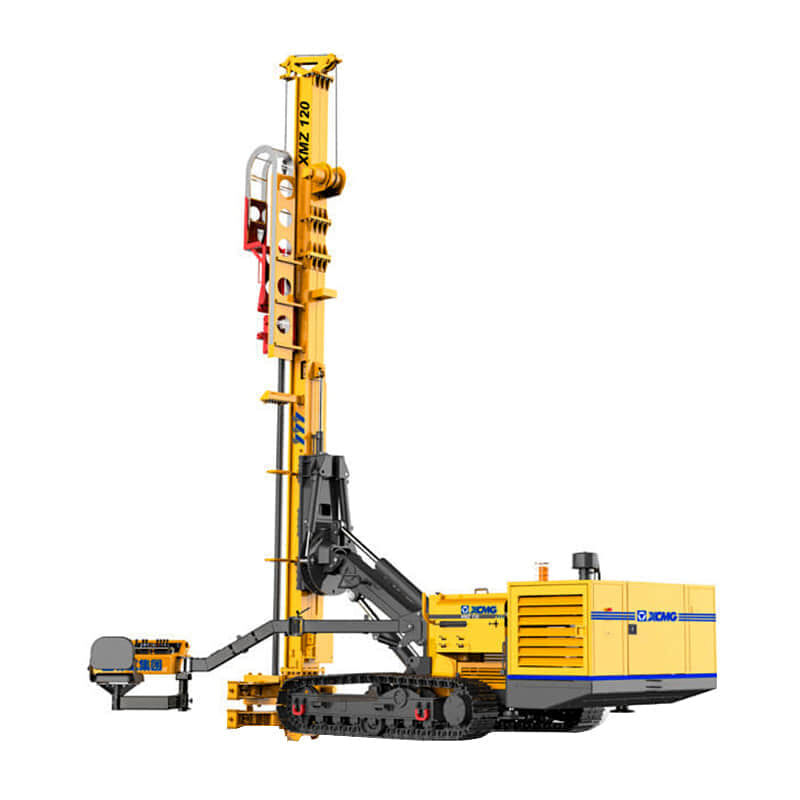
Certification and Ongoing Education
Industry certification programs provide standardized competency verification for pile drilling machine operators. These certifications typically require passing written examinations and demonstrating practical skills in controlled environments. Maintaining current certification often requires continuing education credits and periodic re-evaluation to ensure operators stay current with evolving safety standards and technology.
Ongoing education opportunities help operators learn about new safety technologies, improved operational techniques, and regulatory changes that affect drilling operations. Companies should invest in regular training updates to ensure their operators maintain the highest safety standards and operational efficiency. Advanced training modules may cover specialized applications, troubleshooting procedures, and emergency response protocols specific to pile drilling operations.
Operational Safety Procedures
Safe Operating Practices
Establishing and maintaining safe operating practices is fundamental to preventing accidents during pile drilling operations. Operators must maintain constant awareness of their surroundings, including the location of other personnel, equipment, and potential hazards. Clear communication protocols should be established using standardized hand signals or radio communications to coordinate activities between the pile drilling machine operator and ground personnel.
Speed control is critical during drilling operations, as excessive speeds can cause equipment instability, premature wear, or loss of control. Operators should maintain steady, controlled movements and avoid sudden changes in direction or drilling parameters. Regular monitoring of equipment gauges and warning systems helps identify potential problems before they develop into serious safety hazards.
Emergency Response Procedures
Every pile drilling machine operation requires established emergency response procedures that address potential scenarios such as equipment malfunction, personnel injury, or environmental hazards. Emergency shutdown procedures must be clearly understood by all operators, including the location and operation of emergency stop controls. Quick response protocols help minimize the severity of incidents when they occur.
Emergency contact information should be readily available, including medical services, equipment manufacturers, and regulatory authorities. First aid equipment and trained personnel should be present on site during drilling operations. Regular emergency response drills help ensure all team members understand their roles and responsibilities during crisis situations.
Equipment Maintenance and Safety
Preventive Maintenance Programs
Implementing comprehensive preventive maintenance programs significantly reduces the risk of equipment failure and associated safety hazards. Regular maintenance schedules should address all critical systems of the pile drilling machine, including hydraulic systems, drilling components, safety devices, and structural elements. Maintenance activities should be performed by qualified technicians using manufacturer-approved procedures and genuine replacement parts.
Maintenance records provide valuable information for identifying patterns of wear or recurring problems that could affect safety. These records also demonstrate compliance with manufacturer recommendations and regulatory requirements. Scheduled maintenance should never be deferred due to production pressures, as equipment failures can result in serious accidents and costly project delays.
Safety System Maintenance
Safety systems on pile drilling machine equipment require special attention during maintenance activities. These systems include emergency stop controls, warning devices, safety guards, and stability monitoring systems. Regular testing and calibration ensure these critical safety components function properly when needed. Any safety system malfunction should result in immediate equipment shutdown until repairs are completed.
Documentation of safety system maintenance helps demonstrate compliance with regulatory requirements and provides evidence of due diligence in safety management. Replacement of worn or damaged safety components should be prioritized to maintain the highest level of protection for operators and other personnel. Regular updates to safety systems may be necessary to incorporate technological improvements or regulatory changes.
Environmental and Regulatory Compliance
Environmental Protection Measures
Pile drilling machine operations must comply with environmental regulations designed to protect soil, water, and air quality. Proper containment measures prevent drilling fluids and debris from contaminating surrounding areas. Noise control measures may be required to minimize impact on nearby communities, particularly in urban construction environments.
Dust suppression techniques help maintain air quality and improve visibility around drilling operations. Water spray systems or dust suppression chemicals may be used depending on site conditions and regulatory requirements. Proper disposal of drilling waste materials ensures compliance with environmental regulations and demonstrates responsible construction practices.
Regulatory Compliance Requirements
Construction projects involving pile drilling machine operations are subject to various regulatory requirements at local, state, and federal levels. These regulations cover worker safety, environmental protection, and equipment standards. Staying current with regulatory changes requires ongoing monitoring and may necessitate updates to operational procedures or equipment modifications.
Compliance documentation should be maintained throughout the project lifecycle to demonstrate adherence to applicable regulations. Regular audits help identify potential compliance gaps and provide opportunities for corrective action before violations occur. Working with regulatory authorities and industry associations helps ensure awareness of upcoming regulatory changes that could affect pile drilling machine operations.
Risk Management and Hazard Control
Hazard Identification and Assessment
Systematic hazard identification processes help recognize potential risks associated with pile drilling machine operations before they result in accidents. These assessments should consider equipment-related hazards, environmental factors, and human factors that could contribute to incidents. Regular hazard assessments should be conducted as site conditions change or new equipment is introduced.
Risk assessment methodologies help prioritize hazard control measures based on the likelihood and potential severity of incidents. High-risk activities may require additional safety measures or modified procedures to reduce exposure. Documentation of hazard assessments provides a foundation for developing effective safety management programs and demonstrates commitment to worker safety.
Hazard Control Implementation
Implementing effective hazard control measures follows a hierarchy that prioritizes elimination or substitution of hazards, followed by engineering controls, administrative controls, and personal protective equipment. For pile drilling machine operations, engineering controls might include safety guards, automatic shutdown systems, or improved visibility features.
Administrative controls include safety procedures, training programs, and work scheduling designed to minimize exposure to hazards. Personal protective equipment provides the final line of defense against residual risks that cannot be eliminated through other means. Regular evaluation of hazard control effectiveness helps identify opportunities for improvement and ensures continued protection for workers.
FAQ
What are the most important safety checks before operating a pile drilling machine
The most critical safety checks include verifying all safety guards are installed, testing emergency shutdown systems, checking hydraulic fluid levels and pressure, inspecting drilling tools for damage, and confirming proper operation of warning devices. Operators should also verify that the work area is clear of personnel and obstacles, underground utilities have been located and marked, and weather conditions are suitable for safe operation.
How often should pile drilling machine operators receive safety training
Operators should receive initial comprehensive training before operating any pile drilling machine, followed by annual refresher training to maintain certification. Additional training may be required when new equipment is introduced, safety procedures are updated, or after any incident involving the equipment. Many companies also provide monthly safety meetings to address specific hazards or reinforce important safety practices.
What personal protective equipment is required for pile drilling machine operations
Required personal protective equipment typically includes hard hats, safety glasses, steel-toed boots, high-visibility clothing, and hearing protection. Depending on site conditions, additional PPE may include respiratory protection, cut-resistant gloves, or fall protection equipment. All PPE must be properly maintained and replaced when damaged or worn to ensure continued effectiveness.
How can environmental impact be minimized during pile drilling machine operations
Environmental impact can be minimized through proper containment of drilling fluids, implementation of dust suppression measures, noise control techniques, and appropriate disposal of waste materials. Regular equipment maintenance reduces emissions and prevents fluid leaks, while careful planning helps minimize disturbance to surrounding vegetation and wildlife habitats. Working with environmental consultants helps ensure compliance with all applicable regulations.
Table of Contents
- Pre-Operation Safety Assessment
- Operator Training and Certification
- Operational Safety Procedures
- Equipment Maintenance and Safety
- Environmental and Regulatory Compliance
- Risk Management and Hazard Control
-
FAQ
- What are the most important safety checks before operating a pile drilling machine
- How often should pile drilling machine operators receive safety training
- What personal protective equipment is required for pile drilling machine operations
- How can environmental impact be minimized during pile drilling machine operations