
 EN
EN
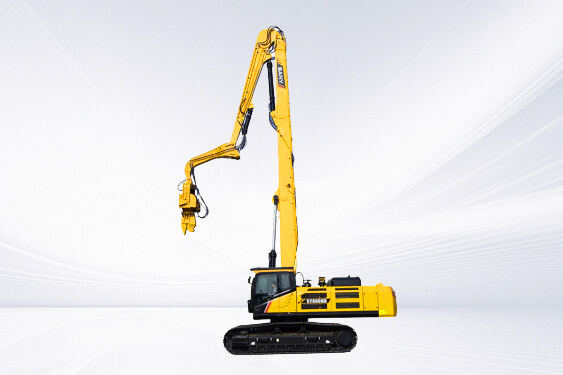
Understanding pile drilling machine cost represents one of the most critical investment decisions for construction contractors engaged in foundation work. The financial implications extend far beyond the initial purchase price, encompassing operational expenses, maintenance requirements, and long-term profitability projections. Modern construction projects increasingly demand efficient foundation solutions, making the evaluation of pile drilling machine cost essential for competitive positioning in today's market.
Contractors must navigate complex financial considerations when evaluating pile drilling machine cost, including equipment depreciation, operational efficiency metrics, and revenue generation potential. The decision impacts project timelines, labor requirements, and overall business profitability for years following the initial investment. Market analysis reveals significant variations in pile drilling machine cost based on specifications, manufacturer reputation, and technological capabilities.
Initial Investment Analysis for Pile Drilling Equipment
Purchase Price Considerations
The baseline pile drilling machine cost varies dramatically depending on equipment specifications and intended applications. Entry-level models designed for smaller residential projects typically range from $200,000 to $500,000, while heavy-duty commercial equipment can exceed $1.5 million. Contractors must evaluate their project portfolio to determine appropriate equipment capabilities that justify the pile drilling machine cost investment.
Financing options significantly influence the effective pile drilling machine cost for contractors with limited capital resources. Lease agreements, equipment loans, and manufacturer financing programs offer alternative pathways to equipment acquisition without substantial upfront capital requirements. These arrangements often include maintenance packages and warranty extensions that impact the total cost of ownership calculations.
Geographic location affects pile drilling machine cost due to transportation expenses, local dealer networks, and regional market conditions. Contractors operating in remote areas may encounter higher equipment costs due to limited dealer support and increased logistics expenses. Understanding regional cost variations helps contractors make informed purchasing decisions that align with their operational requirements.
Technology Integration Expenses
Advanced technological features significantly impact pile drilling machine cost but often provide substantial operational benefits. GPS guidance systems, automated drilling controls, and telemetry monitoring capabilities increase initial equipment costs while potentially reducing labor requirements and improving productivity. Contractors must evaluate whether technological enhancements justify the additional pile drilling machine cost through improved efficiency.
Software integration requirements may add unexpected expenses to the total pile drilling machine cost calculation. Modern equipment often requires specialized software for optimal operation, along with training programs for equipment operators. These ancillary costs should be factored into the comprehensive pile drilling machine cost analysis to avoid budget overruns.
Compatibility with existing fleet management systems influences the effective pile drilling machine cost for established contractors. Equipment that integrates seamlessly with current operational procedures may provide greater value despite higher initial costs. Standardization across equipment fleets often reduces training expenses and maintenance complexity over the equipment lifecycle.
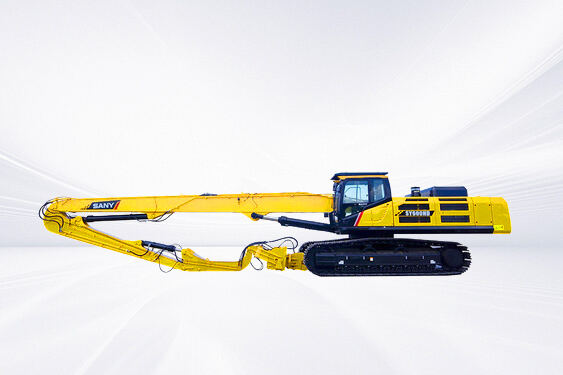
Operational Cost Structure Analysis
Daily Operating Expenses
Understanding daily operational costs provides crucial insight into the true pile drilling machine cost impact on project profitability. Fuel consumption represents a significant ongoing expense, with modern equipment consuming between 15-30 gallons per hour depending on operating conditions and equipment specifications. Diesel price fluctuations directly affect the operational component of pile drilling machine cost calculations.
Labor costs associated with equipment operation must be included in comprehensive pile drilling machine cost analysis. Skilled operators command premium wages, and training requirements for complex equipment may increase personnel expenses. The relationship between operator skill levels and productivity directly influences the cost-effectiveness of pile drilling machine investments.
Consumable materials including drilling bits, augers, and hydraulic fluids contribute substantially to ongoing pile drilling machine cost considerations. High-quality consumables often provide better performance and longer service life, potentially reducing overall operational expenses despite higher initial costs. Contractors should evaluate consumable cost structures when comparing different equipment options.
Maintenance and Service Requirements
Preventive maintenance programs significantly impact long-term pile drilling machine cost through reduced downtime and extended equipment life. Regular service intervals, component replacement schedules, and inspection requirements create predictable maintenance expenses that should be factored into cost projections. Neglecting maintenance can dramatically increase unexpected repair costs and equipment downtime.
Service availability and parts accessibility influence the operational reliability component of pile drilling machine cost calculations. Equipment with limited service network support may experience extended downtime periods that reduce productivity and increase project costs. Contractors should evaluate manufacturer service capabilities when assessing total pile drilling machine cost implications.
Warranty coverage and extended service agreements can provide cost predictability for pile drilling machine cost management. Comprehensive warranty programs may include parts, labor, and emergency service components that reduce unexpected expenses during the initial ownership period. These programs often represent valuable risk mitigation strategies for equipment investments.
Revenue Generation Potential Assessment
Project Capacity and Efficiency
The revenue-generating capability of pile drilling equipment directly offsets the initial pile drilling machine cost through improved project capacity and completion speed. Modern equipment can complete foundation installations 30-50% faster than older alternatives, enabling contractors to take on additional projects and increase annual revenue. This productivity improvement often justifies higher pile drilling machine cost investments through enhanced earning potential.
Project diversification opportunities expand with capable pile drilling equipment, allowing contractors to bid on larger and more complex projects. The ability to handle various soil conditions and pile specifications increases market opportunities and can command premium pricing. These expanded capabilities often provide the strongest justification for pile drilling machine cost investments.
Quality improvements achieved through modern pile drilling equipment can reduce project risks and warranty claims. Precise drilling capabilities and automated controls minimize installation errors that could result in costly corrections. The risk reduction benefits should be quantified when evaluating the total value proposition of pile drilling machine cost investments.
Market Positioning Advantages
Competitive positioning improves significantly when contractors invest in modern pile drilling equipment despite higher pile drilling machine cost requirements. Clients increasingly demand efficient project completion and advanced capabilities that older equipment cannot provide. The market differentiation achieved through equipment investments often enables premium pricing that justifies pile drilling machine cost expenditures.
Reputation enhancement through reliable equipment performance can generate substantial long-term value that exceeds initial pile drilling machine cost considerations. Consistent project delivery and reduced downtime improve client relationships and increase referral opportunities. These intangible benefits often provide the most significant return on pile drilling machine cost investments over extended periods.
Industry certification and compliance requirements may necessitate specific equipment capabilities that influence pile drilling machine cost decisions. Projects requiring particular specifications or safety standards may be accessible only to contractors with appropriate equipment. Understanding regulatory requirements helps justify pile drilling machine cost investments through access to higher-value market segments.
Return on Investment Calculations
Financial Metrics and Projections
Calculating return on investment for pile drilling machine cost requires comprehensive analysis of revenue increases, cost reductions, and productivity improvements. Industry benchmarks suggest that well-selected equipment investments should generate positive cash flow within 18-24 months through increased project capacity and efficiency gains. These projections help contractors evaluate whether specific pile drilling machine cost levels align with their financial objectives.
Depreciation schedules significantly affect the tax implications of pile drilling machine cost investments. Accelerated depreciation programs may provide substantial tax benefits that improve the effective return on investment calculations. Contractors should consult with tax professionals to optimize the financial structure of pile drilling machine cost decisions.
Cash flow projections must account for seasonal variations in construction activity that affect pile drilling machine cost recovery timelines. Equipment utilization rates fluctuate based on weather conditions, project availability, and market cycles. Understanding these patterns helps contractors develop realistic expectations for pile drilling machine cost recovery periods.
Risk Assessment and Mitigation
Market volatility poses significant risks to pile drilling machine cost recovery projections through changes in project demand and pricing pressures. Economic downturns can reduce construction activity and extend equipment payback periods beyond initial projections. Contractors should develop contingency plans that account for market uncertainties when evaluating pile drilling machine cost investments.
Technology obsolescence represents a long-term risk that affects pile drilling machine cost recovery potential. Rapid technological advancement may reduce the competitive value of equipment before full cost recovery is achieved. Understanding technology trends helps contractors select equipment with longer useful life periods that protect pile drilling machine cost investments.
Insurance requirements and liability considerations influence the total pile drilling machine cost through premium adjustments and coverage requirements. Modern equipment often qualifies for reduced insurance rates due to improved safety features and reliability records. These insurance savings should be included in comprehensive pile drilling machine cost analysis.
Equipment Selection Strategies
Specification Optimization
Matching equipment specifications to actual project requirements prevents over-investment in pile drilling machine cost while ensuring adequate capability for target applications. Contractors should analyze their typical project portfolio to identify the optimal balance between capability and cost. Excessive specifications increase pile drilling machine cost without providing proportional value for many contractors.
Modular equipment designs offer flexibility that can optimize pile drilling machine cost through adaptable configurations. Equipment that accommodates various attachments and accessories provides versatility for different project types without requiring multiple machine purchases. This adaptability often justifies higher initial pile drilling machine cost through expanded application range.
Future expansion considerations should influence current pile drilling machine cost decisions to avoid premature equipment obsolescence. Contractors planning business growth may benefit from slightly higher capability equipment that accommodates future project requirements. This forward-thinking approach can prevent multiple equipment purchases and reduce total pile drilling machine cost over time.
Manufacturer and Model Comparison
Manufacturer reputation and support capabilities significantly impact the long-term value of pile drilling machine cost investments. Established manufacturers typically provide superior parts availability, service networks, and technical support that reduce operational risks. These support advantages often justify premium pile drilling machine cost levels through improved reliability and reduced downtime.
Resale value considerations affect the total cost of ownership calculations for pile drilling machine cost analysis. Equipment from reputable manufacturers typically maintains better resale value, reducing the net cost of ownership over the equipment lifecycle. Understanding resale trends helps contractors optimize their pile drilling machine cost decisions for maximum financial benefit.
Warranty coverage and service agreement options vary significantly between manufacturers and can substantially affect pile drilling machine cost calculations. Comprehensive warranty programs may provide better value despite higher initial costs through reduced maintenance expenses and improved reliability. Contractors should evaluate total cost of ownership including warranty benefits when comparing pile drilling machine cost options.
FAQ
What factors most significantly impact pile drilling machine cost for contractors
The most significant factors affecting pile drilling machine cost include equipment specifications and capabilities, manufacturer reputation and support network, technological features and automation levels, and financing terms and warranty coverage. Equipment designed for heavy commercial applications typically costs 2-3 times more than residential-focused models, while advanced technological features can add 20-40% to base equipment costs. Contractors should prioritize factors that directly impact their operational requirements and revenue generation potential.
How long does it typically take to recover pile drilling machine cost investments
Most contractors can expect to recover pile drilling machine cost investments within 18-36 months under normal market conditions, depending on equipment utilization rates and project profitability. High-utilization contractors working on premium projects may achieve cost recovery in 12-18 months, while contractors with limited project volume may require 3-4 years for full cost recovery. Market conditions, seasonal variations, and equipment efficiency significantly influence recovery timelines.
Should contractors lease or purchase pile drilling equipment to optimize costs
The decision between leasing and purchasing pile drilling equipment depends on cash flow requirements, tax considerations, and long-term business plans. Leasing typically requires lower upfront costs and may include maintenance coverage, making it attractive for contractors with limited capital or uncertain project volume. Purchasing often provides better long-term value for established contractors with consistent project demand, especially when considering tax benefits and resale value potential.
How do maintenance costs affect total pile drilling machine cost over equipment lifetime
Maintenance costs typically represent 15-25% of total pile drilling machine cost over a 10-year equipment lifecycle, making preventive maintenance programs essential for cost management. Well-maintained equipment experiences fewer unexpected failures and maintains higher productivity rates, directly impacting project profitability. Contractors should budget approximately 8-12% of initial equipment cost annually for maintenance and repairs, with costs increasing as equipment ages beyond 5-7 years of service.
Table of Contents
- Initial Investment Analysis for Pile Drilling Equipment
- Operational Cost Structure Analysis
- Revenue Generation Potential Assessment
- Return on Investment Calculations
- Equipment Selection Strategies
-
FAQ
- What factors most significantly impact pile drilling machine cost for contractors
- How long does it typically take to recover pile drilling machine cost investments
- Should contractors lease or purchase pile drilling equipment to optimize costs
- How do maintenance costs affect total pile drilling machine cost over equipment lifetime