
 EN
EN
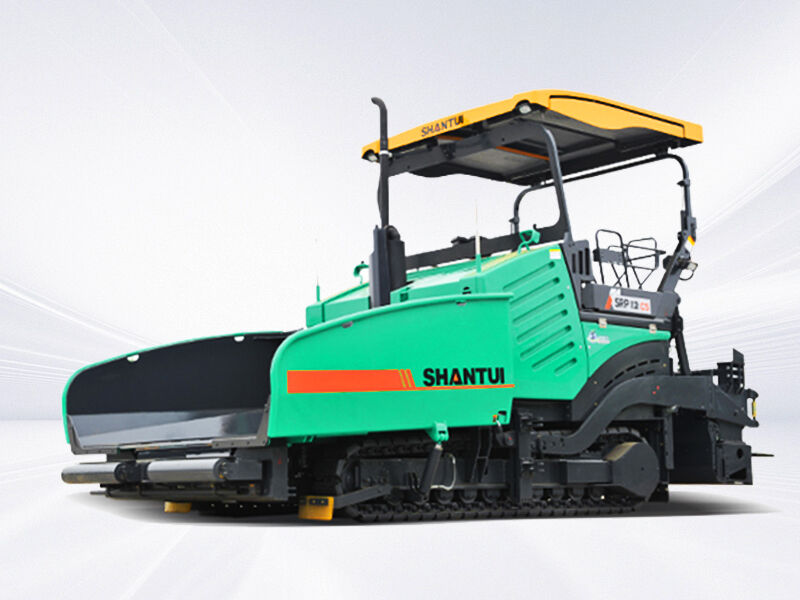
Selecting the right paving machine is crucial for construction projects that demand precision, efficiency, and long-lasting results. Modern paving operations require sophisticated equipment that can handle various materials, project scales, and environmental conditions. The construction industry has evolved significantly, making it essential for contractors to understand the key factors that differentiate superior paving machines from standard models. This comprehensive guide explores the critical considerations for choosing a paving machine that will deliver exceptional performance, reliability, and return on investment for your construction operations.
Understanding Paving Machine Fundamentals
Core Components and Functionality
The foundation of any quality paving machine lies in its core components, which work together to deliver consistent material distribution and surface quality. The hopper system serves as the primary material storage unit, requiring adequate capacity and efficient material flow mechanisms. The screed assembly represents the heart of the paving operation, where heated elements and precise adjustment systems ensure uniform material thickness and surface texture. Understanding how these components interact helps contractors evaluate which paving machine specifications align with their project requirements.
Material handling systems within a paving machine must accommodate various asphalt mixtures while maintaining consistent flow rates throughout the paving process. The conveyor systems transport material from the hopper to the screed, requiring robust construction and reliable drive mechanisms to prevent material segregation. Advanced paving machines incorporate automated material management features that optimize distribution patterns and reduce operator workload during extended paving operations.
Power Systems and Performance Metrics
Engine specifications directly impact a paving machine's capability to handle demanding construction environments and maintain consistent performance under varying load conditions. Diesel engines remain the preferred power source for most paving applications, offering excellent torque characteristics and fuel efficiency for extended operations. The relationship between engine power and hydraulic system capacity determines the machine's ability to maintain consistent paving speeds while managing heavy material loads and challenging terrain conditions.
Hydraulic systems in modern paving machines provide precise control over all major functions, from material distribution to screed adjustments and propulsion systems. High-quality hydraulic components ensure responsive operation and reliable performance throughout the machine's service life. Contractors should evaluate hydraulic system specifications carefully, as inadequate hydraulic capacity can limit a paving machine's effectiveness in demanding applications and increase maintenance requirements over time.
Paving Width and Project Compatibility
Determining Optimal Width Requirements
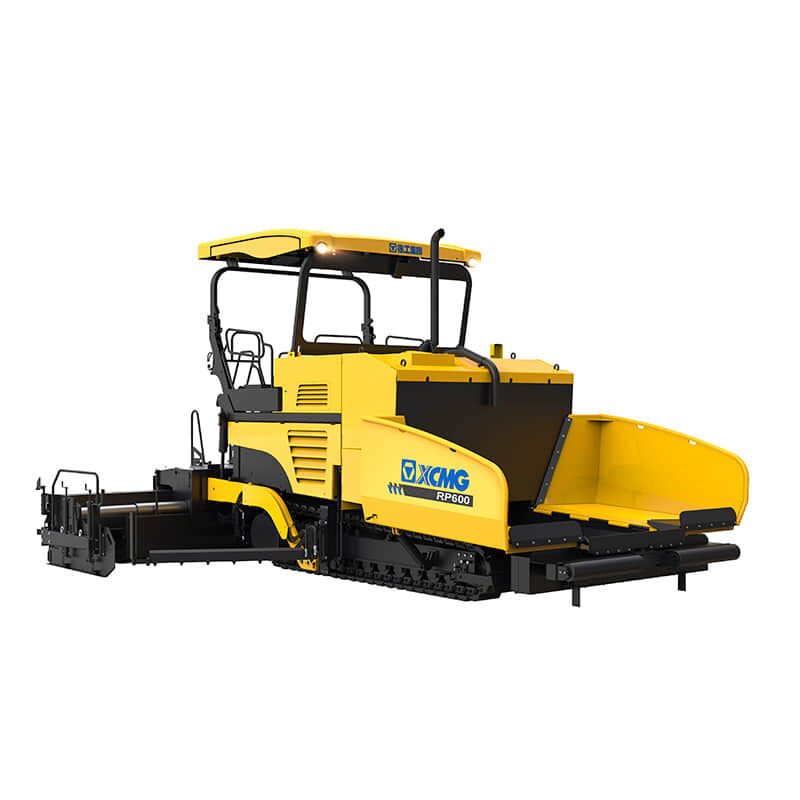
Project specifications and site conditions largely determine the appropriate paving width for construction operations, making this a critical factor in paving machine selection. Narrow width machines excel in confined spaces, residential applications, and repair work where maneuverability takes precedence over production capacity. Standard width paving machines offer versatility for medium-scale projects, providing balanced productivity and operational flexibility for various construction scenarios.
Wide-width paving machines maximize productivity on large-scale projects such as highways, airports, and major commercial developments where continuous paving operations justify the investment in high-capacity equipment. The ability to extend screed width through optional extensions provides flexibility for contractors who handle diverse project types. When evaluating width options, contractors must consider not only current project requirements but also future opportunities that may benefit from increased paving capacity.
Material Output and Production Rates
Production capacity specifications help contractors match paving machine capabilities with project timelines and material supply logistics. High-output paving machines can process substantial material volumes per hour, making them ideal for large-scale projects where continuous operation maximizes efficiency. The relationship between material output capacity and actual paving speed depends on factors including material type, layer thickness, and environmental conditions during paving operations.
Material feeding systems must accommodate the planned production rates while maintaining consistent quality throughout the paving process. Some paving machines feature advanced material management systems that automatically adjust feeding rates based on paving speed and material requirements. Contractors should verify that their chosen paving machine can sustain specified output rates under actual job site conditions rather than relying solely on theoretical maximum capacities.
Technology Integration and Control Systems
Automated Paving Control Features
Modern paving machines incorporate sophisticated control systems that enhance precision and reduce operator workload during complex paving operations. Automated grade and slope control systems use laser or sonic sensors to maintain precise surface elevation and cross-slope requirements without constant operator adjustment. These systems significantly improve paving accuracy while reducing the potential for human error in critical applications such as airport runways and highway construction.
Material distribution control systems optimize asphalt placement by automatically adjusting conveyor speeds and screed settings based on paving conditions and material characteristics. Advanced paving machines feature integrated control panels that provide real-time feedback on machine performance, material consumption, and quality parameters. These technological features help operators maintain consistent paving quality while maximizing productivity throughout extended construction operations.
GPS Integration and Digital Management
GPS-enabled paving machines offer unprecedented accuracy in grade control and project documentation, making them valuable for projects with strict quality specifications. Digital elevation models can be loaded into the paving machine's control system, enabling automatic adjustment of screed height and slope throughout the paving process. This technology reduces the need for traditional string line systems while improving overall paving accuracy and reducing project completion time.
Data logging capabilities in modern paving machines provide detailed records of paving operations, including material placement rates, surface temperatures, and quality control parameters. This information supports quality assurance documentation and helps contractors optimize their paving processes for future projects. Some systems offer remote monitoring capabilities that allow project managers to track paving progress and machine performance from off-site locations.
Maintenance and Service Considerations
Preventive Maintenance Requirements
Regular maintenance schedules are essential for maximizing paving machine performance and extending equipment service life in demanding construction environments. Daily maintenance tasks typically include hydraulic fluid level checks, material system cleaning, and inspection of wear components such as screed plates and conveyor chains. Proper maintenance procedures prevent costly breakdowns and ensure that the paving machine maintains optimal performance throughout extended paving seasons.
Lubrication systems require particular attention in paving machines due to the harsh operating environment and continuous material exposure. High-quality lubricants and regular service intervals help protect critical components from premature wear and maintain smooth operation under heavy loads. Contractors should establish maintenance partnerships with qualified service providers to ensure their paving machine receives expert care and genuine replacement parts when needed.
Parts Availability and Service Support
Reliable parts availability directly impacts paving machine uptime and project completion schedules, making manufacturer support networks a crucial selection criterion. Established manufacturers typically maintain extensive parts inventories and service networks that can respond quickly to equipment needs during critical paving operations. Local service capabilities reduce downtime and transportation costs when maintenance or repairs are required during active construction projects.
Training and technical support services help operators maximize their paving machine capabilities while minimizing operating errors and maintenance issues. Many manufacturers offer comprehensive training programs that cover both operation and basic maintenance procedures, helping construction crews achieve optimal results from their equipment investment. Access to technical support hotlines and field service representatives provides additional assurance during complex paving operations.
Economic Factors and Investment Analysis
Initial Purchase Considerations
The initial investment in a paving machine represents a significant capital expenditure that requires careful analysis of project requirements and expected return on investment. New paving machines offer the latest technology and full warranty coverage but require substantial upfront capital that may not be justified for smaller contractors or specialized applications. Financing options and lease arrangements can help contractors access advanced paving machine capabilities while managing cash flow requirements.
Used paving machine options provide cost-effective entry points for contractors seeking to expand their capabilities without major capital commitments. However, used equipment evaluation requires expert assessment of mechanical condition, remaining service life, and potential maintenance requirements. The availability of service records and previous maintenance history significantly impacts the viability of used paving machine investments for demanding construction applications.
Operating Cost Management
Fuel consumption rates vary significantly among different paving machine models and directly impact operating costs throughout the equipment's service life. Modern engines incorporate advanced fuel management systems that optimize consumption while maintaining required power output for various paving conditions. Contractors should evaluate fuel efficiency ratings carefully, as improved fuel economy can result in substantial cost savings over thousands of operating hours.
Maintenance costs represent ongoing expenses that accumulate throughout a paving machine's service life and must be factored into total ownership cost calculations. Regular maintenance prevents major repairs but requires budget allocation for parts, fluids, and service labor. Some manufacturers offer maintenance packages that provide predictable costs and comprehensive coverage for routine service requirements, helping contractors budget more accurately for equipment ownership expenses.
Environmental and Regulatory Compliance
Emission Standards and Environmental Impact
Environmental regulations increasingly influence paving machine design and operation, requiring contractors to consider emission standards and environmental impact in their equipment selection process. Modern paving machines must comply with stringent diesel emission standards that mandate advanced exhaust after-treatment systems and cleaner-burning engine technologies. These requirements add complexity to paving machine operation but are essential for regulatory compliance in most construction markets.
Material heating systems in paving machines contribute to overall environmental impact through energy consumption and emission generation during asphalt processing. Energy-efficient heating systems reduce fuel consumption while maintaining required material temperatures for quality paving operations. Some advanced paving machines incorporate heat recovery systems that capture waste heat and improve overall energy efficiency during continuous paving operations.
Noise Control and Community Relations
Noise reduction features become increasingly important as construction projects occur in populated areas with strict noise ordinances and community concerns. Modern paving machines incorporate sound-dampening materials and engine enclosures that reduce noise levels without compromising performance or accessibility for maintenance operations. Contractors working in noise-sensitive environments should prioritize paving machines with proven low-noise operation characteristics.
Community relations benefit significantly from contractors who demonstrate environmental responsibility through equipment selection and operation practices. Paving machines with advanced emission control systems and noise reduction features help contractors maintain positive relationships with local communities and regulatory authorities. These considerations become particularly important for contractors seeking to establish long-term business relationships in specific geographic markets.
FAQ
What factors determine the ideal paving machine size for my projects
Project scale, site accessibility, and production requirements are the primary factors determining optimal paving machine size. Smaller machines excel in confined spaces and detailed work, while larger units maximize productivity on extensive paving projects. Consider your typical project types, material requirements, and site constraints when evaluating size options. Additionally, factor in transportation requirements and storage capabilities when selecting paving machine dimensions that match your operational needs.
How important is manufacturer support when choosing a paving machine
Manufacturer support significantly impacts long-term equipment performance and operational efficiency through parts availability, technical assistance, and service network accessibility. Reliable manufacturer support reduces downtime during critical paving operations and ensures access to genuine replacement parts when needed. Evaluate manufacturer support capabilities in your geographic region, including local dealer networks, parts inventory, and field service capabilities before making your final paving machine selection.
What maintenance requirements should I expect with a new paving machine
Daily maintenance tasks include hydraulic system checks, material handling system cleaning, and inspection of wear components such as screed plates and conveyor elements. Regular service intervals typically involve engine maintenance, hydraulic fluid changes, and comprehensive system inspections to prevent major repairs. Establish relationships with qualified service providers and maintain detailed maintenance records to maximize equipment reliability and warranty coverage throughout your paving machine's service life.
How do I evaluate the total cost of ownership for different paving machine options
Total ownership costs include initial purchase price, financing charges, fuel consumption, maintenance expenses, and residual value considerations over the equipment's expected service life. Compare fuel efficiency ratings, maintenance requirements, and parts costs among different models to determine long-term operational expenses. Factor in productivity capabilities and project opportunities that may justify higher initial investments in advanced paving machine features and capabilities.