
 EN
EN
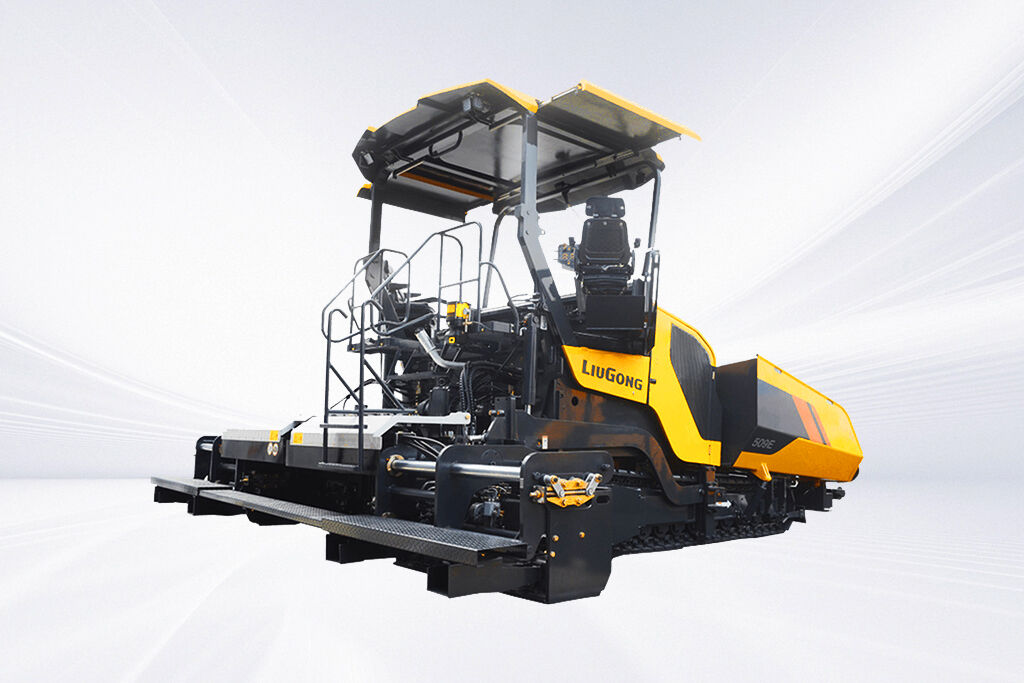
The construction industry relies heavily on specialized equipment to create durable and efficient roadway surfaces. When it comes to selecting the right paving machine for your project, understanding the fundamental differences between asphalt and concrete paving equipment becomes crucial for project success. Each type of paving machine offers distinct advantages and capabilities that directly impact construction timelines, material handling, and final surface quality. Modern paving machine technology has evolved significantly, incorporating advanced features that enhance precision, productivity, and operator comfort while reducing environmental impact.
Asphalt Paving Machine Fundamentals
Core Components and Operating Principles
Asphalt paving machines are engineered to handle hot mix asphalt materials with precision and consistency. These machines feature specialized heating systems that maintain optimal material temperatures throughout the paving process. The hopper design accommodates varying material volumes while ensuring consistent feed rates to the screed assembly. Material distribution systems within the paving machine utilize augers and conveyors to spread asphalt evenly across the desired width.
The screed assembly represents the heart of any effective paving machine, incorporating heating elements and vibration systems to achieve proper material compaction. Advanced paving machine models include automated grade and slope controls that respond to reference systems, ensuring accurate surface profiles. Tractor units provide the necessary power and traction for consistent forward movement, while maintaining precise speed control throughout the paving operation.
Material Handling and Temperature Control
Temperature management distinguishes asphalt paving machine operations from other construction equipment categories. The paving machine must maintain material temperatures between 275-325°F to ensure proper workability and compaction characteristics. Insulated hoppers and heated material transfer systems prevent temperature loss during the paving process. Some advanced paving machine designs incorporate pre-heating chambers that prepare materials before distribution.
Material segregation prevention represents another critical aspect of asphalt paving machine design. Specialized conveyor systems and auger configurations minimize material separation while maintaining consistent mix properties. The paving machine screed design influences material flow patterns and final surface texture, with various screed types available for specific application requirements. Proper material handling ensures optimal density and reduces the need for excessive compaction equipment.
Concrete Paving Machine Technology
Slip-Form Paving Systems
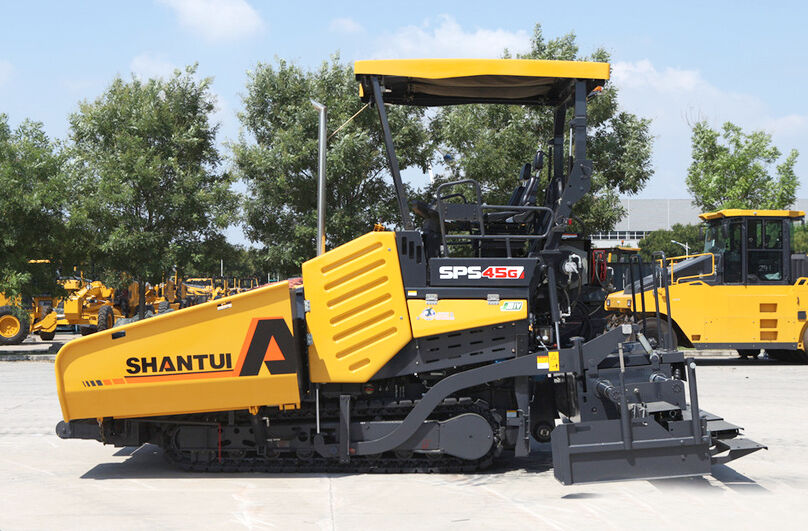
Concrete paving machines utilize slip-form technology to create continuous concrete surfaces without traditional form structures. This paving machine category excels in highway and airport runway construction where long, straight sections require consistent cross-sectional profiles. The slip-form paving machine advances continuously while concrete hardens behind the forming mechanism, creating seamless pavement surfaces.
Concrete consolidation systems within the paving machine ensure proper material distribution and eliminate air voids that could compromise pavement durability. Vibration frequency and amplitude settings can be adjusted based on concrete mix characteristics and environmental conditions. The paving machine guidance system maintains precise alignment and grade control, often utilizing stringline or laser reference systems for accuracy.
Material Delivery and Placement
Concrete paving machine operations require coordinated material delivery systems to maintain continuous placement. Ready-mix trucks or on-site batch plants supply concrete directly to the paving machine hopper. Material consistency becomes critical, as variations in slump, aggregate gradation, or cement content can affect paving machine performance and final surface quality.
Strike-off mechanisms within the concrete paving machine remove excess material while establishing the desired pavement thickness. Floating screeds smooth the concrete surface and bring cream to the top for proper finishing characteristics. Some paving machine models incorporate automatic dowel bar inserters for joint construction, eliminating the need for separate equipment operations.
Performance Comparison Analysis
Production Rates and Efficiency
Asphalt paving machine productivity typically exceeds concrete equipment in terms of daily square footage coverage. The continuous nature of asphalt placement allows the paving machine to maintain steady forward progress without extended curing delays. Material heating requirements may slow initial startup procedures, but overall paving machine efficiency remains high once operations commence.
Concrete paving machine operations often achieve lower daily production rates due to material setting characteristics and finishing requirements. However, the paving machine creates a more durable surface that requires less frequent maintenance and replacement. Long-term project economics may favor concrete paving machine applications despite lower initial productivity rates.
Weather and Environmental Considerations
Weather conditions significantly impact paving machine performance and material quality outcomes. Asphalt paving machines perform optimally in warm, dry conditions that support proper material compaction and cooling rates. Cold weather operations require modified heating systems and may reduce paving machine productivity. Rain or high humidity can interfere with material bonding and surface texture development.
Concrete paving machine operations face different environmental challenges, particularly regarding hydration and curing processes. Hot weather accelerates concrete setting, potentially reducing working time and affecting paving machine placement rates. Cold conditions slow hydration and may require heated materials or protective measures. The paving machine operator must adjust procedures based on ambient temperature and humidity levels.
Equipment Selection Criteria
Project Specifications and Requirements
Project duration and traffic loading expectations influence paving machine selection decisions. Short-term pavement solutions often favor asphalt paving machine applications due to rapid construction and immediate traffic accessibility. Long-term infrastructure projects may justify concrete paving machine investments despite higher initial costs and extended construction timelines.
Pavement thickness requirements also affect paving machine choice, as concrete equipment typically handles greater thickness variations more effectively. Surface smoothness specifications may favor either technology depending on specific measurement criteria and acceptance standards. The paving machine must demonstrate capability to meet project specifications consistently throughout the construction period.
Cost Analysis and Budget Considerations
Initial equipment acquisition costs vary significantly between asphalt and concrete paving machine categories. Asphalt paving machines generally require lower capital investment but may demand more frequent replacement due to wear and material exposure. Concrete paving machine equipment costs more initially but typically provides longer service life with proper maintenance.
Operating costs include fuel consumption, material handling expenses, and labor requirements for each paving machine type. Asphalt operations often require additional heating fuel and temperature monitoring equipment. Concrete paving machine operations may need specialized curing compounds and surface treatment materials. Total project costs should consider both equipment and material expenses when evaluating paving machine alternatives.
Maintenance and Operational Requirements
Routine Maintenance Procedures
Asphalt paving machine maintenance focuses on heating system components, material handling mechanisms, and cleaning procedures to prevent material buildup. Daily cleaning becomes essential to prevent hardened asphalt from interfering with paving machine operation. Heating element inspection and screed plate maintenance ensure consistent performance and surface quality.
Concrete paving machine maintenance emphasizes vibration system components, slip-form mechanisms, and material contact surfaces. Regular inspection of consolidation equipment prevents concrete buildup that could affect paving machine performance. Cleaning procedures must address concrete residue without damaging sensitive electronic components or hydraulic systems.
Operator Training and Skill Requirements
Effective paving machine operation requires specialized training in material properties, equipment controls, and quality control procedures. Asphalt paving machine operators must understand temperature management, material handling, and screed adjustment techniques. Experience with grade control systems and material flow patterns significantly impacts paving machine productivity and surface quality outcomes.
Concrete paving machine operators need expertise in slip-form technology, consolidation procedures, and concrete finishing techniques. Understanding of concrete hydration, weather effects, and timing requirements becomes crucial for successful paving machine operations. Both equipment types benefit from experienced operators who can adjust procedures based on changing conditions and material characteristics.
FAQ
What factors determine the optimal paving machine choice for highway construction projects
Highway paving machine selection depends on traffic volume expectations, climate conditions, and long-term maintenance budgets. High-traffic corridors often benefit from concrete paving machine applications due to superior durability and load-bearing capacity. Climate considerations include freeze-thaw cycles, temperature extremes, and precipitation patterns that affect material performance. Budget analysis should include initial construction costs, maintenance expenses, and service life expectations for accurate paving machine comparison.
How do weather conditions affect different paving machine types during construction
Weather significantly impacts paving machine performance and material quality outcomes. Asphalt paving machines require warm, dry conditions for optimal material placement and compaction, while cold weather reduces workability and may require modified heating procedures. Concrete paving machines face challenges with rapid setting in hot weather and slow hydration in cold conditions. Both paving machine types must adjust operation procedures based on temperature, humidity, and precipitation forecasts.
What maintenance differences exist between asphalt and concrete paving machines
Asphalt paving machine maintenance focuses on heating systems, material cleaning, and preventing buildup of hardened materials on contact surfaces. Daily cleaning procedures become essential to maintain paving machine performance and prevent costly repairs. Concrete paving machine maintenance emphasizes vibration systems, slip-form mechanisms, and concrete residue removal without damaging sensitive components. Both equipment types require regular inspection of hydraulic systems, tracks or tires, and electronic control components.
How do material costs compare between asphalt and concrete paving machine projects
Material costs vary based on local availability, transportation distances, and specific project requirements. Asphalt materials generally cost less per ton but may require more frequent replacement over the pavement service life. Concrete materials cost more initially but typically provide longer service life and reduced maintenance requirements. Total project economics should consider both initial material costs and long-term maintenance expenses when comparing paving machine applications for specific construction projects.
Table of Contents
- Asphalt Paving Machine Fundamentals
- Concrete Paving Machine Technology
- Performance Comparison Analysis
- Equipment Selection Criteria
- Maintenance and Operational Requirements
-
FAQ
- What factors determine the optimal paving machine choice for highway construction projects
- How do weather conditions affect different paving machine types during construction
- What maintenance differences exist between asphalt and concrete paving machines
- How do material costs compare between asphalt and concrete paving machine projects